lift+love family stories by autumn mcalpin
Since 2021, Lift+Love has shared hundreds of real stories from Latter-day Saint LGBTQ individuals, their families, and allies. These stories—written by Autumn McAlpin—emerged from personal interviews with each participant and were published with their express permission.

THE MCCLELLAN FAMILY
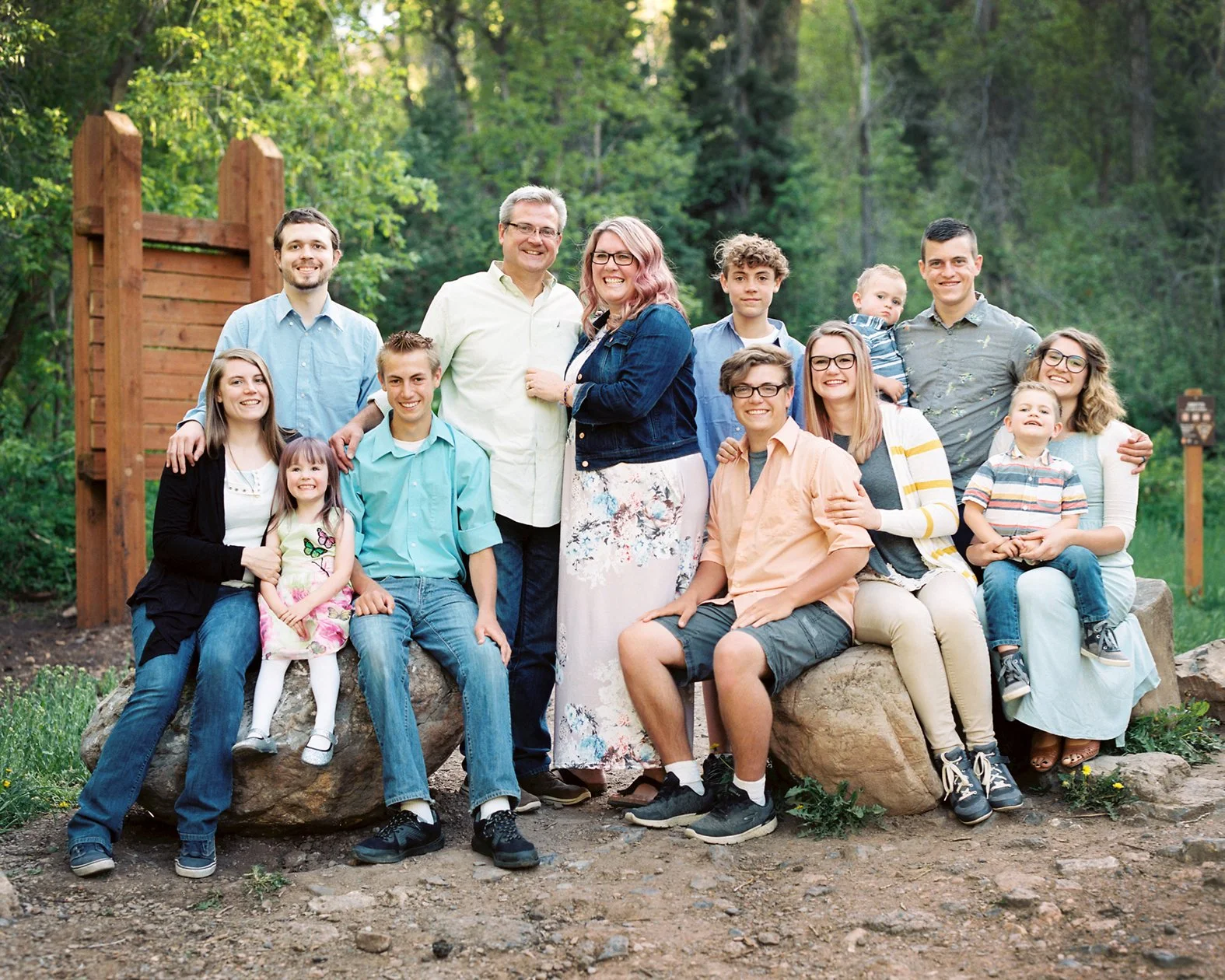
Marion and David McClellan were initiated into the camp of parents who just go with it with their firstborn. Their oldest child, Anna, stomped around in moonboots and Yu-Gi-Oh t-shirts playing Pokemon and that’s just how things were, so they let her be her. Marion says, “The minute I wasn’t dressing her in floofy pink dresses anymore, she was instantly in basketball shorts and graphic t’s.” The McClellans operated off the assumption, “We just thought kids are however they came out.” So nine years later when their young son Ford was wearing Wicked Witch of the West costumes and aqua glitter butterfly flip flops or ruby red slippers, Marion says, “We just went with it.” Little did they know that decades later, Anna would discover the word “nonbinary” best described her gender identity, which immediately made complete sense to her husband, parents, and everyone else who has known and loved her over her 32 years. Anna being Anna paved the way for Ford’s journey when he later came out as gay in 2018, at age 16
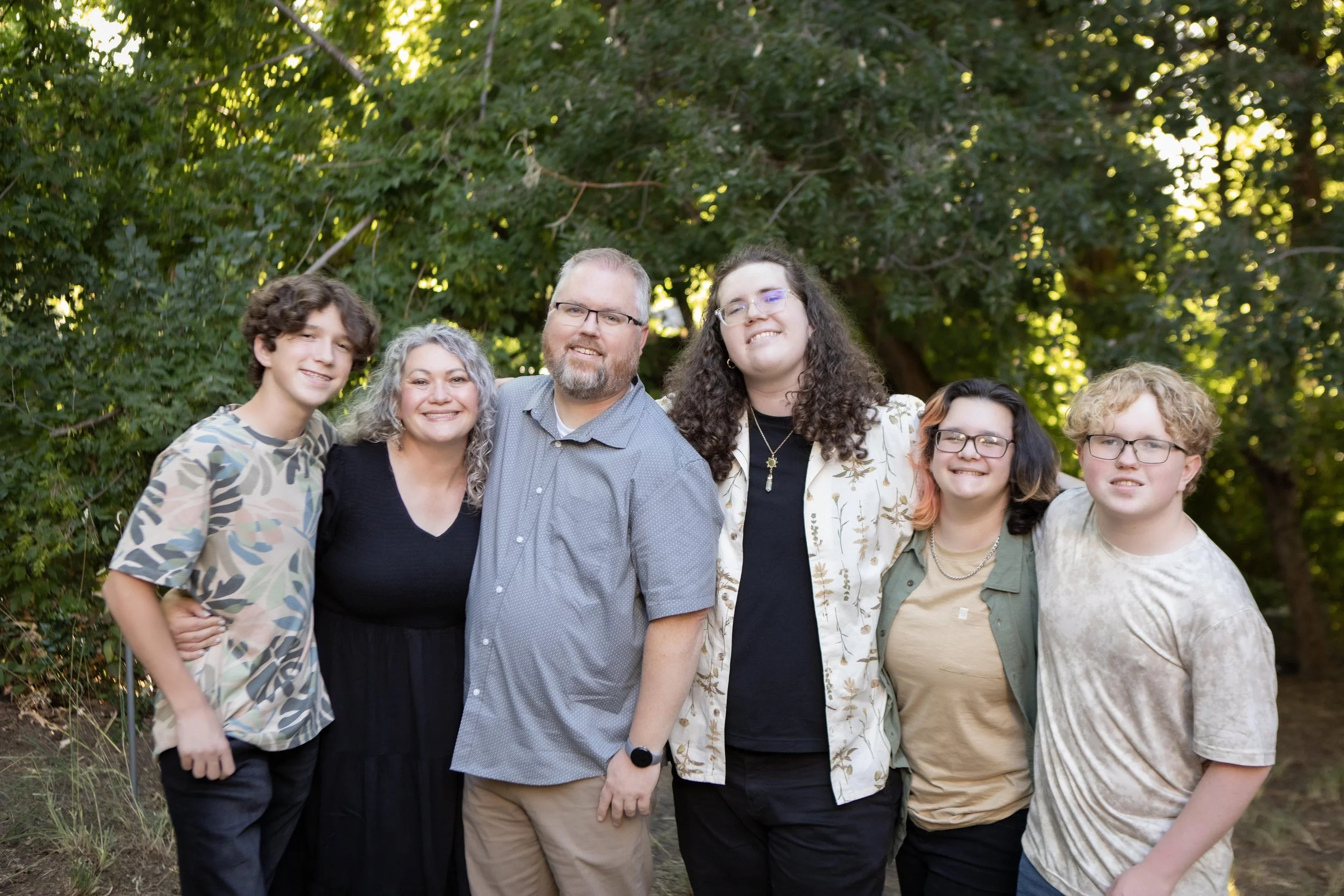
Marion and David McClellan were initiated into the camp of parents who just go with it with their firstborn. Their oldest child, Anna, stomped around in moonboots and Yu-Gi-Oh t-shirts playing Pokemon and that’s just how things were, so they let her be her. Marion says, “The minute I wasn’t dressing her in floofy pink dresses anymore, she was instantly in basketball shorts and graphic t’s.” The McClellans operated off the assumption, “We just thought kids are however they came out.” So nine years later when their young son Ford was wearing Wicked Witch of the West costumes and aqua glitter butterfly flip flops or ruby red slippers, Marion says, “We just went with it.” Little did they know that decades later, Anna would discover the word “nonbinary” best described her gender identity, which immediately made complete sense to her husband, parents, and everyone else who has known and loved her over her 32 years. Anna being Anna paved the way for Ford’s journey when he later came out as gay in 2018, at age 16.
It happened one night while sitting on the couch listening to his mom’s playful prodding about the importance of getting his Duty to God award plan in place. Ford—typically the “most compliant and sweet kid in the universe who showed up a half an hour early every week to prep the sacrament”—snippily turned to his mom and said, “Mom, I’m gay and I don’t want to be Mormon anymore!” Marion says “stunned” and “shocked” are not strong enough words to describe the feeling that coursed through her body. Her first coherent thought was, “We couldn’t have a gay kid! We have FHE every week!” Marion had believed everything she was taught about gay people—that it was a choice. But somehow, she was able to harness these emotions with a force “that must have been from God.” Gentle words informed her reply: “We love you. We’ll walk with you on whatever path you choose. Your dad loves you. Do you need anything else because I need to go whip the cream for this party we’re having in 5 minutes?” Ford later confirmed that he premeditated the timing of his delivery, knowing his mom couldn’t completely lose it with company coming over.
Ford ran downstairs “like a cockroach” to be by himself, and Marion went into the kitchen to whip the cream (while bawling hysterically) for the party of people now approaching in four minutes. Somehow, she kept it together and later that night, approached her son to check on him and ask if he wanted to tell his dad or if he wanted her to do it. Ford gave her permission to tell his dad.
That night, David walked into their room to find Marion staring at the wall like a zombie. She blurted out, “Ford is gay and doesn’t want to be Mormon anymore,” the latter part of this sentence holding the more troubling truth for her. David replied, “Are you serious?” The look she returned confirmed it. David’s facial reaction made Marion glad Ford wasn’t in the room with them. But that night, David went through the entire grieving process, while Marion took an Ambien and went to sleep. They both woke up with the same conclusion—that they had a lot of work to do to become the parents Ford needed them to be.
While David tends to be a “thoughtful, slow processor,” Marion says she’s never been considered an “underwhelming” figure and prefers the firehose approach to life. Thus, she jumped right in the deep end with resources, the next day consulting with a trusted friend who was already a Mama Dragon and mother of two queer kids. She came home with a link to the Mackintosh Family’s story on the LDS church’s website, and The Family Acceptance Project. David and Marion met with Richard Ostler in her first week of learning and soon after found Encircle. As she shared these resources with David, they both came to the same conclusion that their sweet Ford, “as close to perfect as you could get,” did not choose this and had not been “swept up in lascivious lies.”
Marion jokes that the church’s fatal flaw was teaching her that she could talk to God and God would talk back. An extremely devout member of the LDS faith who had served in “all the callings,” Marion says, “The same voice that gave me counselors names for presidencies and had been talking to me all my life said, ‘There’s nothing wrong with your son, he is exactly as I created him.” While this was somewhat of a relief, it put Marion—and her husband who had the same impression—in a really tricky spot with their belief system. She now says, “It’s interesting that most of the parents in the support groups we’ve been a part of heard the same thing about their kids.”
The McClellans still live in the cozy gingerbread house in which they raised their six kids in Payson, Utah. It was the home David’s grandparents had built and lived in, and Marion loved the Brady Bunch-esque idea of living in the same home forever, so after David’s grandmother died, they bought it. After the whiplash of an immediately onset faith crisis, this home became their enclave, as church—once their second home—quickly became tricky territory to navigate. Marion began to hear all the messages the way her child must have—as a10-year-old in Primary singing songs about eternal families, and realizing none of that was for him. As a young man being taught that homosexual behavior is a serious sin. “But at age 12, breathing and washing dishes are human behaviors.” Marion now reflects that a tween isn’t able to differentiate exactly what “behavior” indicates, leading to self-loathing and shame. She says, “Fortunately, he didn’t absorb much of that; he knew he didn’t choose this, so it couldn’t be a sin. And we are very lucky because a majority of parents in our community find out their child is queer AFTER a suicide attempt. Fortunately for us, he wasn’t in that category.”
But still, Ford was not yet ready for others outside his family to know he was gay, so his mom encouraged him to keep attending church to avoid suspicions. She now says, “I don’t regret many things in my life because if I could have done better, I would have. But I regret that I didn’t have him stop attending church immediately and stay home with him. I wish I knew how dangerous it was for him to continue attending, even with his resilience.” Marion says most of the parents in this space she’s befriended share that regret. As she continued to see the harm in policies—especially as she had to explain the 2015 exclusion policy to her perfect child, Marion’s world unraveled. Church became a minefield, as she fearfully anticipated what people might say each week. She started bringing a second set of keys and there were only two Sundays that whole year she didn’t leave early, crying. After going to church, it took Marion nearly an entire week to recover before the Saturday dread and Sunday trauma would return again. But at this difficult time, Marion still felt fortunate to work in the temple with David. That first year after Ford came out, they were in the temple weekly, and for Marion, often daily, as there, she could quiet her mind and seek clarity.
In the temple, she remembers being fascinated by Eve, and how she was “exactly correct.” Marion continues, “In the church I grew up in, there were only ‘Adams’ allowed. We were expected to be obedient with exactness, not to look at a commandment and choose something differently.” In the temple, she heard words come to her clear as day that said, “You were never meant to be an Adam. It’s time you start acting like the Eve you were always meant to be.”
But after a lifetime of daily scripture reading and memorizing handbooks, embracing a nuanced mindset was virtually impossible. It took half of her six kids deciding to stop attending church, some painful therapy sessions with David, and a silent meditation retreat for Marion to examine her personal integrity before she experienced the clarity she was seeking. She says she came to a realization that she would never associate with any organization that taught what her church taught about queer people; so was it the right place for her to remain? For Marion, the decision was no. She knew this decision would not be popular in their heavily LDS, Payson, UT community, but she had also watched how her straight kids had concurrently been so warmly embraced by the LGBTQ+ community they had begun to interact with at family events at Encircle and the Augenstein family’s frequent ally events. Marion knew they could still find community; it might just look a little different.
One day she asked one of her straight sons if he was ok “going to all the gay stuff with us.” He replied, “Yeah, the gays are a lot more fun than the straights.” While at Encircle, Marion also sadly observed how many LGBTQ+ people had lost their families after coming out and weren’t even allowed to be around their younger siblings anymore. She saw how quick they were to embrace her family. While her faith deconstruction had proven to be the most painful thing she’d ever experienced, Marion says, “When people say the lazy learner thing about people like us who have gone through this, I want to punch them in the face. There’s nothing lazy about what we’ve gone through.”
The McClellans have deeply felt the agony that comes when you step away from a faith community that’s not exactly trained to know what to do with you. After having been in the same neighborhood where they served their ward and stake families diligently for 30 years, Marion says there is a painful void.
All that being said, Marion feels, “Having a gay kid is the greatest blessing I never knew I wanted. I would never change any of it, even with the pain and strangeness. Our lives needed to change… But I would never change him. I love him and his partner.”
Ford, 23, now lives with his partner in Midvale and works as an engineer for a soil tech firm at Hill Air Force Base. Marion loves observing his happiness. She reflects how once upon a time, she put qualifiers on parental success based on whether her kids were “on the covenant path,” but now she’s grateful to observe them from a vantage point where she can just step back and appreciate how all six of her kids are “the most amazing humans. They are such good people – so compassionate, so thoughtful, they love our family. Before, I just had a limited ability to see.”
The Ence Family
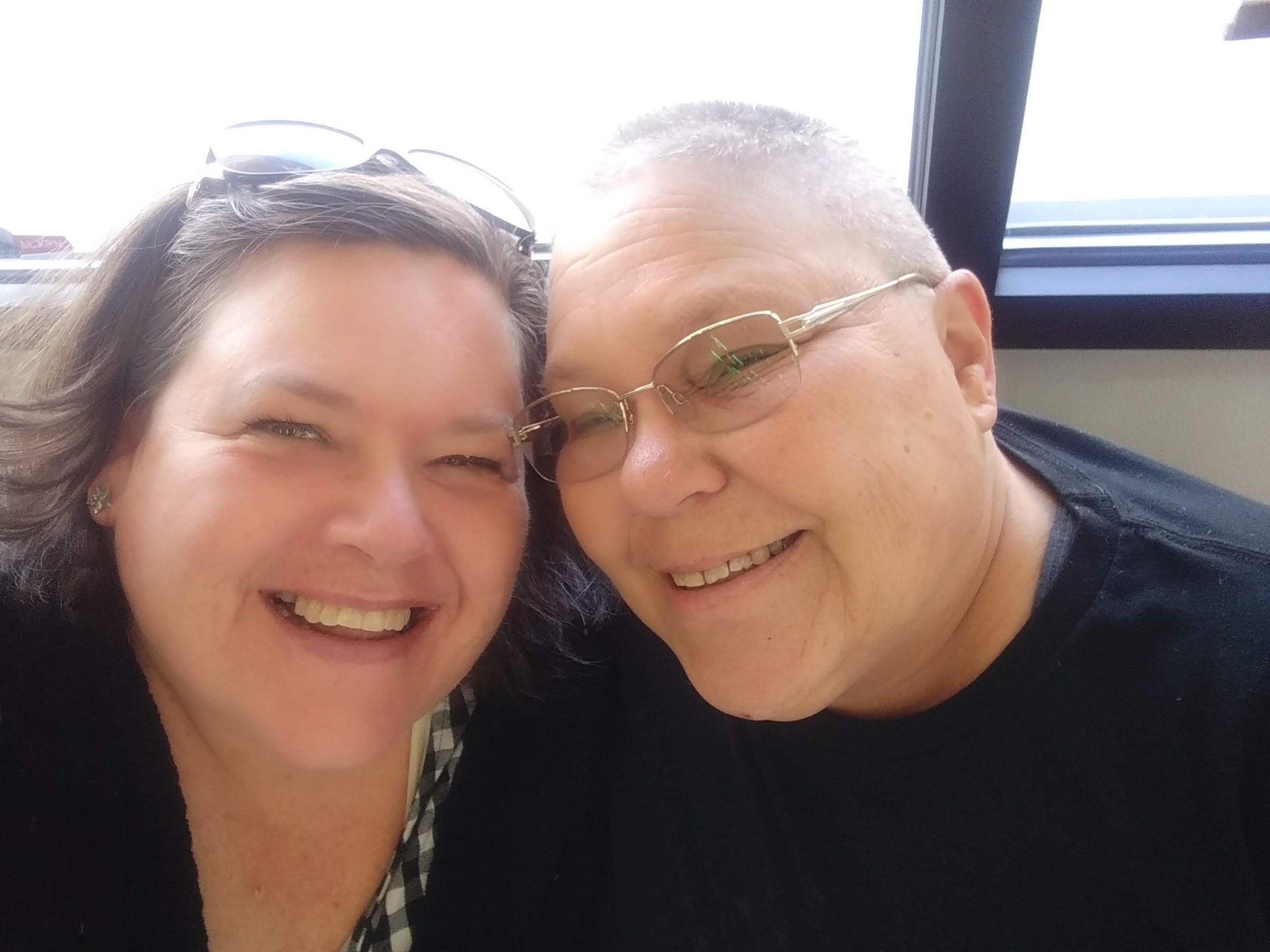
In February of 2020, Andrew and Tiffany Ence of Stansbury Park, UT were preparing for a trip to Italy, where Andrew had served a mission for the LDS church. It was the first time they’d be leaving their three kids (Winter—now 20, Matthew—17, and AJ-13) for an extended period. Tiffany went downstairs one Sunday morning to see if they were ready for church, and to talk to her oldest about expectations while they were gone. Winter started crying and said, “I don’t want to go to church.” Then and there, Winter dropped the bombshell that they were bisexual. Winter begged Tiffany not to tell Andrew. Tiffany reassured Winter their dad would be more understanding than they thought, while silently fearing what Andrew might actually say about the situation. She delayed the conversation, but a few days before their flight to Italy, Andrew told his wife he’d seen a text on Winter’s phone that she should be aware of. Responding to a girl who’d texted, Winter replied, “I feel like I need to tell you—I know you like me, but I’m bisexual.” Tiffany looked at her husband with trepidation and said, “What do you think?” Andrew’s reply was a massive relief: “We just need to love him.” (Winter, who is nonbinary, now prefers they/them pronouns)…
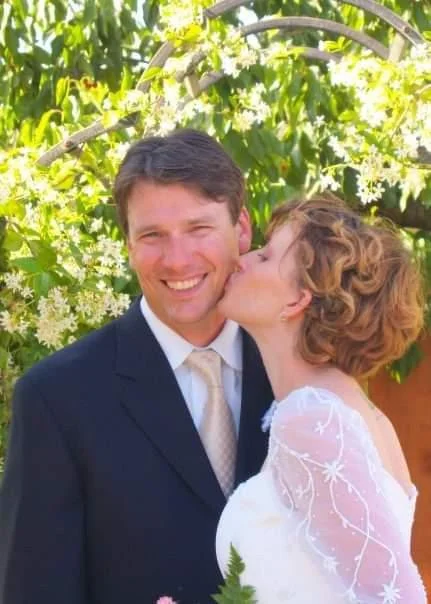
In February of 2020, Andrew and Tiffany Ence of Stansbury Park, UT were preparing for a trip to Italy, where Andrew had served a mission for the LDS church. It was the first time they’d be leaving their three kids (Winter—now 20, Matthew—17, and AJ-13) for an extended period. Tiffany went downstairs one Sunday morning to see if they were ready for church, and to talk to her oldest about expectations while they were gone. Winter started crying and said, “I don’t want to go to church.” Then and there, Winter dropped the bombshell that they were bisexual. Winter begged Tiffany not to tell Andrew. Tiffany reassured Winter their dad would be more understanding than they thought, while silently fearing what Andrew might actually say about the situation. She delayed the conversation, but a few days before their flight to Italy, Andrew told his wife he’d seen a text on Winter’s phone that she should be aware of. Responding to a girl who’d texted, Winter replied, “I feel like I need to tell you—I know you like me, but I’m bisexual.” Tiffany looked at her husband with trepidation and said, “What do you think?” Andrew’s reply was a massive relief: “We just need to love him.” (Winter, who is nonbinary, now prefers they/them pronouns.)
Unsure of what their next steps should be, Tiffany simply asked Winter, who was 16 at the time, to wait until they turned 18 to fully express their true self. She was terrified of what the response would be from their very conservative community. She says, “A lot of that had to do with our impression of how the church would respond.”
Then the pandemic happened, and the whole world shut down.
Winter was an essential worker as a cashier at a grocery store and struggled having to deal with difficult people at work all day, then come home and only be with their family, no friends. They fell into a depression. It was around this time that Winter came out as pansexual, saying “I love everyone,” and changed their name from the birth name they’d been called for 17 years to their preferred name, Winter. Andrew says, “As much as I said previously ‘Let’s just love him,’ I found myself pushing back on this, thinking how hard it would be, personally, to make those changes. We argued with each other and against each other as a couple.” Tiffany concurs, “It took us awhile to realize we were overreacting.” But it was hard for them to hear the phrase “dead name” be used to identify what they prefer to call the “birth name” they’d given Winter. Tiffany says, “All our kids have family names. When you say ‘dead name,’ you’re talking about the name of my Grandpa William.” It took Tiffany and Andrew some time to understand that Winter didn’t feel the same way about the name.
Tiffany now laughs when she hears people talk about how wonderful home church was during the pandemic. “For us, it was not fun. It was like pulling teeth, it was so hard to get our kids together.” Tiffany found herself inwardly struggling as well, unsure of whether she could support the church anymore, feeling that the church didn’t support her child. Tiffany had been raised by parents who she felt never chose her—her mom was a recovering addict, and her dad died by suicide. “When I became a mother, I knew I would always choose my children, no matter what,” she says. Andrew, too, was wondering if he needed to put some distance between himself and the church. It was at this time, in the fall of 2020, that Andrew got called into a new bishopric. Tiffany says, “I felt like that was Jesus grabbing the back of my shirt and saying, ‘Nope, we’re going to keep you here’.” Andrew, too, was comforted by the bishop saying he was aware of what the Ences were going through at home and thought they would have valuable experiences to share. These feelings were confirmed quickly by multiple friends and neighbors who were also experiencing similar challenges.
Andrew recalls Winter’s last couple years of high school being rough, with them starting to push back on the typical rules parents place on teens. It felt like every weekend was a battle with Winter. Sundays during this time just didn’t rejuvenate them the way they once had. Andrew remembers one such Sunday during this time, where a friend on the high council greeted him and asked about his weekend. The friend saw through Andrew’s, “It’s fine,” response and recommended a Liahona article that had come out a year before in July of 2020 called “You Love, He Saves” by Krista Rogers Mortensen.
Andrew and Tiffany say that article changed everything for them. They’d go on their nightly walks and talk about all they were experiencing and that they were in agreement of what to do but unsure how to do it. That article taught the concept that their only duty as parents was to love their children; it’s Christ the Savior who saves. Andrew says, “It changed our perspective. We didn’t have to stress anymore over them going or not going to church. We could just be in the right place to show love. That’s what has driven us since.”
In her work life, Tiffany started to wear rainbow pins on her lanyard at the charter school where she taught, indicating she was a safe space. She freely shared her experiences about Winter to her coworkers. After hearing some troubling comments about LGBTQ+ kids from teachers at her school, she asked if she could give a ten-minute presentation at a staff meeting to educate others about the trans and nonbinary community and preferred pronouns, and the importance of being open to just listening and not inserting your religious or political opinions. This opened a lot of conversations she feels have been productive. One coworker, whose child had just come out as trans, was struggling because her husband had responded with an, “I will choose my temple recommend first.” The friend asked if the couples could go to dinner, and Tiffany’s friend was so relieved that Andrew was able to speak to her husband about how he had been processing everything in a more supportive way. The husband was able to learn what the Ences had learned – he just needed to love his child.
Tiffany now teaches first grade in a public school, and feels she has to be more subtle about her advocacy, but she still wears rainbow earrings and hair clips. Tiffany feels, “If you can’t be a safe space for all, that’s a sad thing as an educator. By all means, send those kids to me. Like if a kid has disabilities, you wouldn’t say, ‘That person just needs to learn how to talk or walk differently.’ Why would you make any negative comments about anyone on the margins?” As her county has lost more than a few LGBTQ+ kids to suicide, Tiffany feels strongly about speaking out and would love to turn that into a career.
Tiffany and some friends went to a presentation Ben Schilaty did at a library, and afterward, asked Ben if he’d come speak to their stake. He said he would as long as their stake president was on board. Tiffany feared it would be a flat out no from the stake president, but was surprised when he considered the prospect, saying in the seven years he had been in his role, no one had ever approached him about having a presentation like this before. After thinking about it, he said he’d like to start by having the Ences be the ones to share their experiences with the high council to gauge their feelings on the topic. The high council agreed, and the next step was for the Ences to present their story with the stake leadership at large. Right before this plan was executed, the stake presidency was released, and a new stake president was called. Tiffany approached the new stake president a couple months ago to ask whether he was aware of the plan and was told to send an email. Every time he sees her, he says, “Waiting for your email, Sister Ence.” She still feels it’s an important endeavor to help educate people so families like theirs don’t feel alone the way they have, but hesitates at the process of putting herself out there, knowing the opposition she may encounter: “Even me five years ago would have judged me, ‘Well, she must not have been doing this with her kids…’ I used to think that way, too, but I’ve learned a lot.”
Reflecting on when Winter first came out, Tiffany says her mama bear heart just wanted to protect them. Winter had a few negative experiences at church and with a seminary teacher who said something, which led to them walking away. “They feel like an enemy of the church, that they are not wanted there.” But both Winter and their partner Jo, have expressed support of Tiffany and Andrew’s efforts to share their story and be there for others. Andrew has worn an “I’ll Walk With You” CTR-shaped pin every week to church for the last two years. When he was asked to remove it once after the bishop received complaints, Andrew responded, “If this is sparking conversation, then that’s a good thing.” The Ences’ younger two sons have also stopped attending church. They say, “Sometimes we feel like we’ve failed as LDS parents; but we’re just going to love our kids.” A friend at church once told Tiffany, “Don’t worry, someday we’re going to get a letter in the mail about Winter’s mission call.” Tiffany says she thought, “You can live in that fantasy world, but I’m choosing to love my kid. I’ll support them whether this is a phase or not. I just hope they can look back and know ‘my parents loved me’.”
Andrew and Tiffany say Winter has always been a loving and loyal child who stands up for what they believe. When they were in elementary school, the Ences got a call that Winter had gotten into a playground brawl because a kid was making fun of their cousin. Andrew says, “I know it’s one of those experiences where I’m supposed to be upset, but I was so proud of Winter standing up for their cousin.” After school, Winter’s uncle rewarded them with a Gamestop run. Musically inclined, Winter’s fourth grade teacher taught them the viola which expanded when a middle school band teacher encouraged Winter to also learn the clarinet, saxophone, guitar, and banjo. Winter always had an easy time making friends, and Tiffany wonders if this is what made them first identify as pansexual, feeling they wanted to love everyone across the LGBTQ+ friend group in which they identified.
The Ences recently attended the Gather conference and appreciated meeting other people who are in their same boat, and not just on social media. They were especially touched by Bree Borrowman’s presentation about what it takes to look in the mirror and get to a place where you like what you see. Andrew says, “To hear Bree’s experience and then to see the challenges the world puts on people just trying to do that. They are just trying to be happy within themselves. Four or five years ago, I might have thought that was silly, but now, I get it.”
Reflecting on their experience and progress, Andrew and Tiffany say, “We think we understand the path and game we’re playing of ‘holding to the rod.’ But there are still potholes that come. You can still twist your ankle. We may have felt that the church couldn’t support us in our choice to love our child and who they are becoming; but now, we see our experiences have value and a purpose and that’s why we’re here. That we as parents in the Church of Jesus Christ of Latter-Day Saints will love our children through the challenges and changes.”
THE FRAZE FAMILY
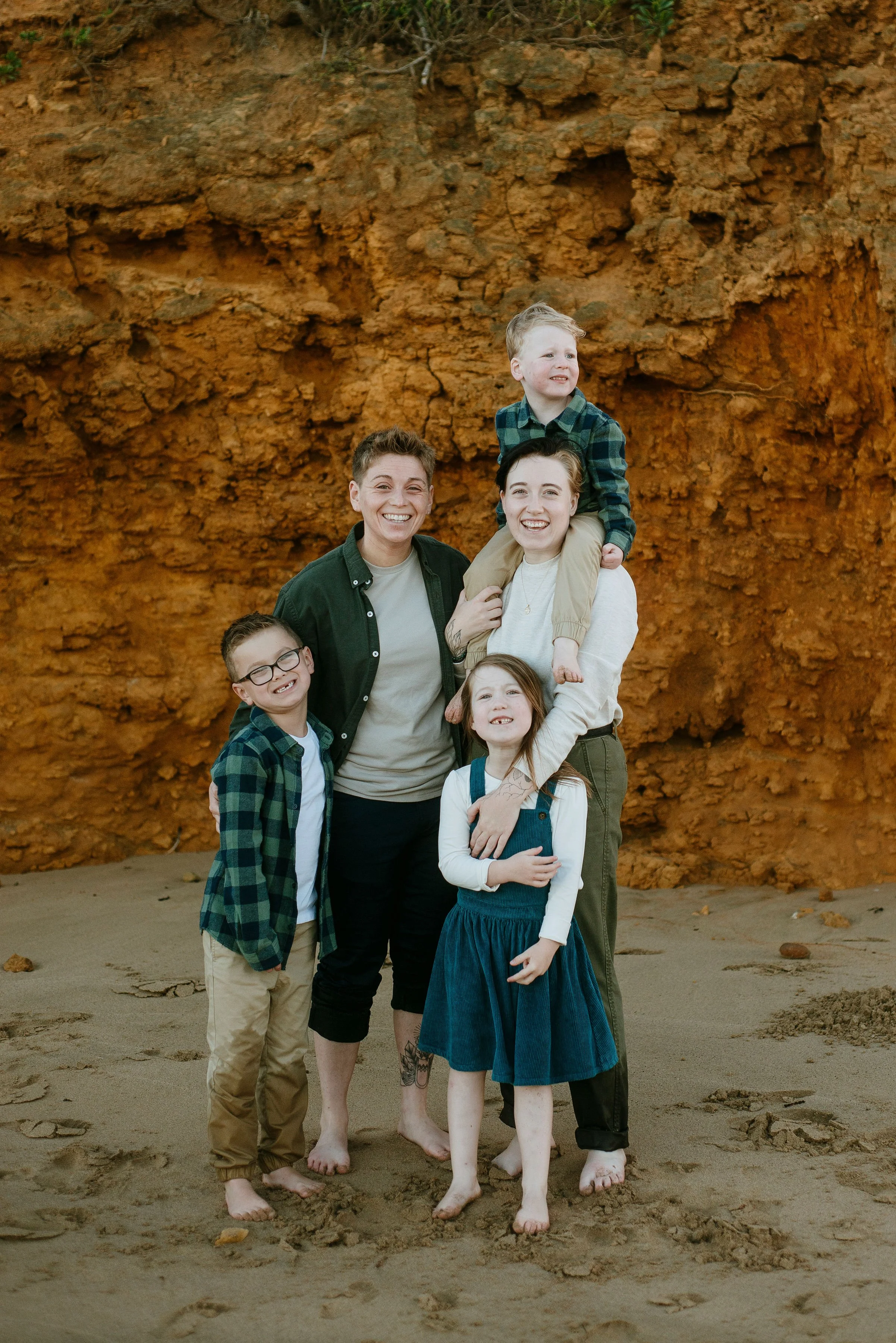
Mell Fraze’s childhood home was one in which the Bible sat on the bookshelf beside the Dao De Jing, the Pearl of Great Price, and a myriad of philosophy books. Raised by a scientologist mom and a universalist dad who attended a “new agey Christian church,” she was instilled with the ideology that everyone has a different path in life, and it’s the individual’s job to ask the questions and do the research to find which path works for them. Mell was an apt audience. As a neurodivergent individual, her brain is wired to ask questions. Now as a mother of six kids (ages four to 16) with her seventh due in August, she likewise encourages her children to explore how when something’s not working, to consider what might fit better instead…
Mell Fraze’s childhood home was one in which the Bible sat on the bookshelf beside the Dao De Jing, the Pearl of Great Price, and a myriad of philosophy books. Raised by a scientologist mom and a universalist dad who attended a “new agey Christian church,” she was instilled with the ideology that everyone has a different path in life, and it’s the individual’s job to ask the questions and do the research to find which path works for them. Mell was an apt audience. As a neurodivergent individual, her brain is wired to ask questions. Now as a mother of six kids (ages four to 16) with her seventh due in August, she likewise encourages her children to explore how when something’s not working, to consider what might fit better instead.
For Mell, the LDS church entered her orbit in 2007, when she chose to get baptized one month after she married Cliff, who was born and raised in the church in Modesto, CA. 15 years her senior, Cliff was raised at a time when church culture didn’t understand what to make of his family. His three siblings had several Cerebral Palsy and uninformed members often wondered “what sin of the parents brought this upon them.” Cliff was raised with traditional church beliefs, but his family was largely marginalized by their congregation. Mell’s peers asked how she could go from her free-thought upbringing to being Mormon, but Mell said nothing about her inherent belief system actually changed—she just learned a new vocabulary to identify her beliefs. She says, “I finally found the one Christian denomination I could feel comfortable in, that didn’t raise the hackles on my neck and wasn’t teaching something in opposition to my lived experiences.” Their union set the stage for raising their own kids.
The Fraze children are given room to grow and explore in their Sacramento home, where Mell has home schooled them since 2015. Every member of the Fraze household of eight is neurodivergent, with all of them having ADHD and several identifying on the autism spectrum. Mell and her husband Cliff found their children’s various needs, which are often also in opposition to each other, were not all able to be met in traditional school, so they’ve brought the laboratory home. This has resulted in their most significant time with peers taking place at church, which has also proven difficult for many of the children who identify on the neurodivergent and LGBTQIA. While the youngest two find Primary fun, church has proven a challenge for some of the older kids.
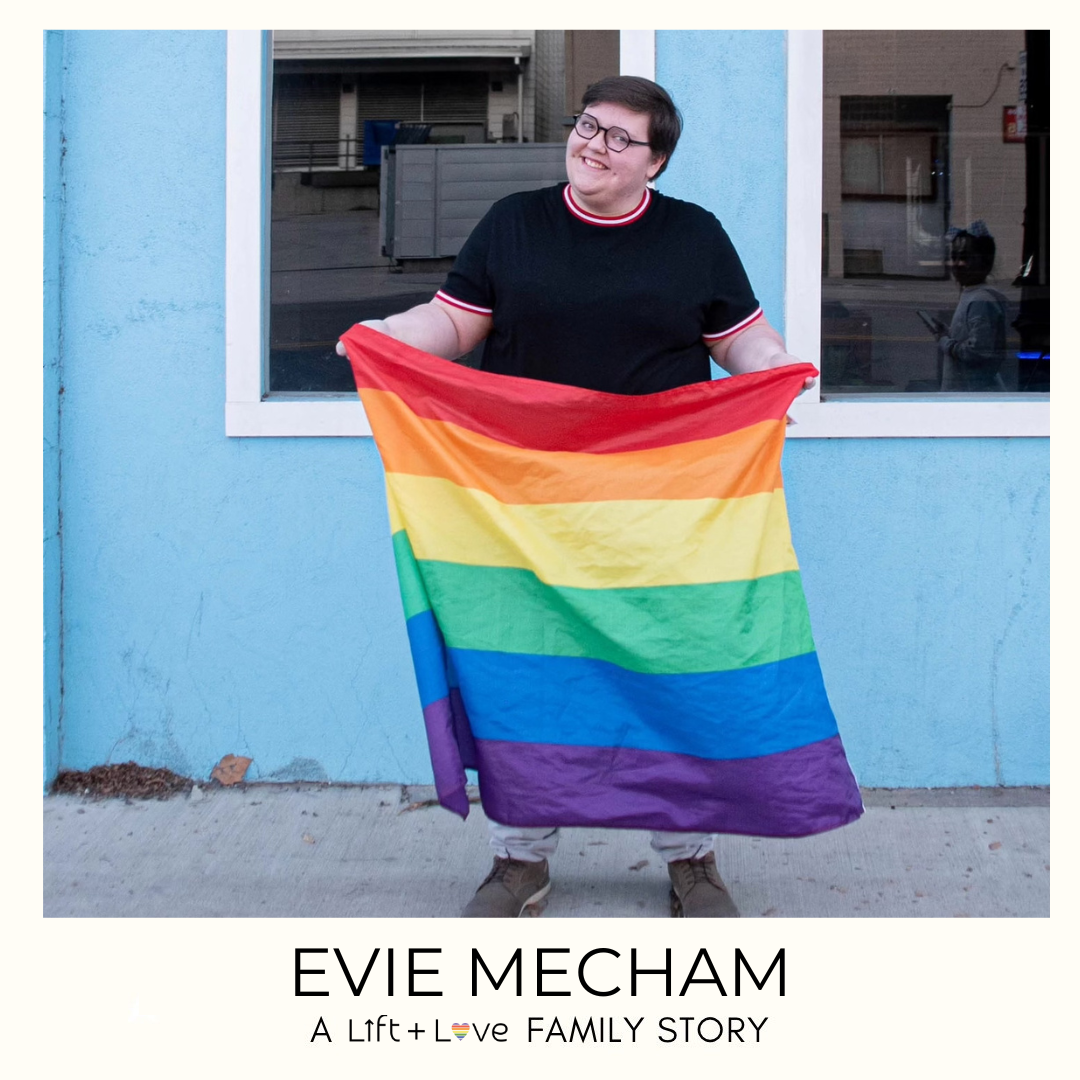
Evie, 16, (they/them) identifies as nonbinary, asexual, and panromantic and is not interested in dating and marriage. Liam (15) also does not currently wish to pursue dating. Frequent lessons about temple marriage have repelled them as it’s not something they see in their future. When leaders respond with phrases like, “When you grow up, you’ll feel it,” it further offsets the two and makes them feel misunderstood. As the Fraze’s 10-year-old son’s neurodivergent needs are also not able to be met in the church environment and Mell says “I’m unable to clone myself and be in every classroom where my kids need me,” Mell has found it difficult to make church work. For the past year, while Cliff shows up and fulfills his calling in the Sunday School presidency, Mell stays home with the kids who are most comfortable there. Home has also become the most comfortable place for Mell to feel authentic. She says, “I cannot show up on the defensive all the time, because then I’m not getting anything from church. And my child’s mental health is more important than their body being at church.” A big believer in autonomy and agency, Mell believes in letting her children choose whether attending church or serving missions and the like is what’s best for them. She let her kids choose whether getting baptized at age eight was the right choice for them, and some delayed that until they felt more ready.
The bishop in the Fraze’s ward had served as a high councilman prior where he was tasked with collecting helpful church resources for LGBTQIA families. At the time, he turned to the Frazes for resources, and they engaged in several hours of conversation. While Mell says her bishop has tried to be an ally, and some of the youth leaders are “great people who really try to show love and respect,” others don’t have a frame of reference for how to support kids who don’t fit the norms.
In the summer of 2022, with her bishop’s permission, Mell joined Evie on the stand during a fast and testimony meeting to share how the youth theme statements could be worded to be more inclusive of all gender identities. Evie had expressed to their parents a couple years prior how they felt different in regard to their assigned gender, and a felt a more gender-neutral identity fit them best. Mell supports her oldest in this, while also loving the “Gender is essential” phrase in the Family Proclamation that so many instead use to weaponize against people like Evie. Mell says she sees this idea of gender being essential, combined with Moses 3:7, to mean that everything is created in the spirit form first. “When we speak of bodies being perfected in the resurrection,” she asks, “doesn’t it make more sense that who you are as a spiritual being that your body would be changed to match your spirit, and not the other way around? In the resurrection, we don’t believe everyone’s going to be six feet tall, skinny, and blonde. We understand there will still be a diversity in perfected bodies. So why, when someone who experiences gender dysphoria and feels their body doesn’t fit their spiritual being, why would the spirit change to match the body instead of the other way around?”
Because her kids school at home, Mell shrugs off the current sound byte rhetoric of “LGBTQIA social contagion.” She says, “My kids aren’t hearing, ‘Oh I heard this and that and want to try it out.’ They’re coming to me saying, ‘I’m different and I don’t know why’.”
While their shared testimony bearing was an important moment for the two to honor this part of Evie’s reality, Mell breaks down as she describes how Evie, on the stand, witnessed how the members’ faces in the room turned from engaged smiles to stone-faced, disapproving looks. That, followed by an uncomfortable talk on the Proclamation shortly after, was the last time they attended. In the one year she has stayed home with Evie and younger children who need her, Mell says only three people from their ward have reached out to try to understand the difficulties her family faces with current church doctrine and policies. Hurtful comments have also been said, including one youth leader who said, “Satan is making kindergartners confused” and a primary teacher who told Mell, “Gays cause problems in society.” As such, Mell tries to speak up as much as she can about the extreme mental health duress and increased suicide rates that occur for kids on the LGBTQIA spectrum.
She says, “I would like to be able to stay in the church and be a voice of allyship and safety, but I’ve been called an apostate by a member of my ward for speaking up against rhetoric that’s harmful. I’ve also been told, ‘Sometimes you need to step away from the church,’ but I hate that alternative. When you point out that your choice is to live as a portion of yourself and feel hurt in the church, or to walk away to be able to live as a whole, authentic human being, the response people are conditioned to give is, ‘Don’t leave the church, try to stay, turn toward the Savior.’ But there’s no room or support to do that. I’ve taken to calling myself Schrodinger’s Mormon. Depending on who you ask, I’m either exactly what people hope members can be, or I’m a terrible apostate who should leave because if you don’t believe, why would you stay?” Mell says it goes back to people not understanding the breadth of the perspective she comes from, and the religion, anthropology, and various philosophies she studied as a youth that examine humans holistically. Mell stays in LDS parenting chat groups online, hoping she might be a light in the dark for someone in need, and hopes to help parents new in their journey. While Evie is considering resigning her church membership, Mell says, “They let me in; they’re going to have to kick me out!” of her membership.
“I already knew I was a divine, spiritual being before joining the church. I’m Christian; my philosophy is humanist and unconnected to any particular religion. I care about the environment, social justice, humanity – the same things I cared about before. I get closest to the Savior from listening to people’s lived experiences, and understanding their truths are just as valid as mine. All of that has prepared me for having queer kids, where other parents in the church might struggle. None of my spiritual identity depends on the church, which I recognize is different from my husband’s experience.” She acknowledges their marriage and co-parenting can be a difficult balance, but says, “He knew who I was before we married. He has no interest in changing me, but often doesn’t know how to deal with others’ responses to me being a fierce, vocal advocate for our children.” Mell, who identifies as queer herself, also recognizes she comes from a place of privilege, being in a perceptively cisgender-heterosexual temple marriage, a person “who happened to get lucky that my person is a cishet man.” She thus chooses to first present herself foremost as an ally in the LGBTIA space.
Of the changes she hopes to see in the church, Mell says, “People make choices all the time that slow the ‘in the Lord’s time’ phrase. They can make choices that speed the ‘in the lord’s time’ to be more inclusive and loving. There are stories of wards out there who have done this. And then there are wards who have sacrificed people because they were too afraid to change, to ask questions, to push boundaries.” This is where Mell hopes to make a difference. “It’s a horrible truth but as a church body, members are choosing to sacrifice their children for the sake of tradition. I absolutely refuse to sacrifice my kids because someone would rather follow tradition than the prophetic example we claim to follow of asking prayerfully and seeking inspiration.”
THE LESUE FAMILY
In a small town in southwest Missouri, about an hour from where the new Springfield, MO temple will be built, there’s a busy, bustling home wherein you can find the Lesue (pronounced le-sway) party of 11. Ben and Rebecca Lesue’s nine kids range from ages seven to 23. Rebecca home schools on top of teaching group piano lessons to 36+ students from the community, so rare is the quiet moment. But they’re used to happy noise…
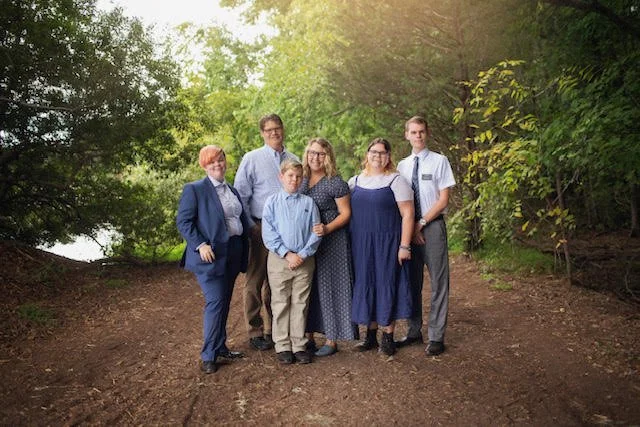
In a small town in southwest Missouri, about an hour from where the new Springfield, MO temple will be built, there’s a busy, bustling home wherein you can find the Lesue (pronounced le-sway) party of 11. Ben and Rebecca Lesue’s nine kids range from ages seven to 23. Rebecca home schools on top of teaching group piano lessons to 36+ students from the community, so rare is the quiet moment. But they’re used to happy noise. Rebecca’s the oldest of 12 kids, and Ben’s the oldest of four. They met in the middle, plus one, when their grand finale was, surprise – twins! “Our lives are measured by before twins, and after twins; they rocked our world,” laughs Rebecca. Luckily, Ben, an English teacher as well as an officer in the Army National Guard, is often around to help manage the chaos at home as well as take the older kids along on outdoor adventures as he strives to meet his goal of climbing the highest peak in every state.
The peaks and valleys of the past few years have also included a pre- and post-2020 mindset for Ben and Rebecca as devoted LGBTQ+ allies and advocates. In April of that year, one of Rebecca’s younger brothers, a returned LDS missionary, came out as gay.
“Immediately, this changed our hearts,” says Rebecca, of her family’s views on LGBTQ. “Before, there had been cousins and nieces who identified as LGBTQ, but they lived far away. When it’s someone in your immediate family who you know up close, then you realize how many stereotypes aren’t true.” Rebecca’s entire family responded with love toward her brother. About a year later, after Elder Holland’s address to BYU in August of 2021, both Rebecca and Ben felt compelled to increase their understanding of LGBTQ issues. They binged books and podcasts including Tom Christofferson’s book, That We May Be One and the Questions from the Closet and Listen, Learn and Love podcasts. The Lesues were especially moved with how the Christofferson family resolved that nothing would take Tom (or his partner) out of their family circle of love.
In November of 2021, Rebecca started reading Charlie Bird’s book, Without the Mask. Out of nowhere, she felt impressed that their daughter Ana also needed to read the book but Rebecca didn’t know why. Ana had moved about an hour away to attend a community college, and her parents knew she had been struggling with some anxiety for a few years, but they could never pinpoint the source. Rebecca says she felt inspired to write Ana an email in which she asked, “Is there a reason I should be worrying about you?” The next day, Ana replied that Rebecca’s worries weren’t baseless because she had been feeling “a little more sad than usual… I was reflecting on how many times it has felt like God has stood me up… I’ve accepted myself as part of the LGBTQ+ community.” More specifically, Ana identified herself as nonbinary and queer. She said she didn’t want to go to church anymore because “the church doesn’t make a place for those who are queer.”
Rebecca admits she had to google the words “nonbinary” and “queer.” She says, “Truthfully, it might have been easier if she’d come out as gay or trans, because I had zero context for ‘nonbinary’ or ‘queer’.” When asked what those terms mean to her, Ana replies, “In the simplest terms possible, being non-binary and queer just means I don’t identify with gender or sexuality as society has defined them… For me, gender is complicated. I feel connected to it very deeply, yet I don’t at the same time. I’ve experienced a lot of dysphoria in the past about being seen as a woman, but I like being a woman sometimes. Other times, I know I’m not just a woman. Gender is fluid and ever changing to me, so narrowing it down to one very specific label didn’t work. It’s the same way with my sexuality. Being non-binary and queer just means I’m pushing away what I thought I knew about gender and sexuality, and I’m letting my feelings be my guide.”
Of their learning curve, Rebecca says, “Ana was patient with us, and gave us the benefit of the doubt that our questions were because we wanted to understand and not because we were trying to attack her.” Ben observed that after Ana came out, she was much happier, as if a weight had been lifted. “Her great smile, which we hadn't seen for a long time, was back. It was a relief to see her being herself again. It occurred to me how awful we are as a society that we don't allow people to be their authentic selves -- that we force the LGBTQ community to live lies. It's an integrity thing--we expect people to be honest, yet we don't allow them to live their truth by shaming, criticizing, discriminating, and othering people who don't fit the mold. That is why I work for inclusivity now, especially in the church.”
After Ana came out, Ben was 100% ready to be an ally, an activist, and a protector for Ana. But Rebecca was worried about pushing Ana to define herself too soon or blocking her into a corner by being public. And Rebecca needed more time to process the whole situation. She says, “For me, our daughter leaving the church was harder than her coming out.”
At the time, Ben was serving as a counselor in the bishopric and he was moved by how supportive their bishop, a close friend, was and how often he consulted Ben on LGBTQ+ issues that arose in the ward. With their stake president’s support, they planned a ward LGBTQ-themed fireside to educate the members in order to create more safe and inclusive spaces. They faced pushback from some ward members, but they concluded that was just more evidence they needed to move forward.
That bishopric has since been released, but Ben wears his Dragon Dads pin to church, which sometimes leads to uncomfortable conversations. But Ben says, “That confirms it’s important for me to wear it.”
Besides loving to hike and climb with her dad, Ana, who describes herself as a shy kid who “talked more to (herself) than to friends growing up,” loves reading fantasy, romance, mystery and sci-fi novels and comics and storytelling, as well as communicating with sticker covered letters to several pen pals. She also loves “watching zombie TV shows, obsessing over stationary and little trinkets, and thrifting Hawaiian shirts that are much too big for me.” Ana started homeschooling in high school, after being bullied through middle school. In hindsight, her parents feel the choice to home school may have saved their daughter’s life.
Before coming out to her parents, Ana had already confided in some online friends, an LGBTQ+ cousin, and two of her sisters. She says while her parents seemed “blindsided,” they have been supportive and she says she “never had to question whether I’d be safe, accepted, and loved, and for that, I’m very privileged, but my anxiety still made it hard to talk about it.” She came out publicly in a social media post on October 11, 2022, National Coming Out Day, and says she received many heartfelt messages of love and support from extended family and friends. Ben and Rebecca remained on standby to field any unkind responses.
Ana stopped going to church in 2021, which felt complicated considering her roots. She says, “My mother's family has members going back generations and my father's mom was one of the first members ever in her small community in Mexico. My family and the church seemed inseparable. That saddened me deeply... I didn't know how to reconcile my blooming identities and shifting testimony with the picture-perfect plan I had made with God in mind. I prayed a lot without any answer, so I learned to figure it out on my own… I can of course appreciate some of the good values I got from the church, but at this point, I don't know that I'll ever revisit it. That is, not until God decides gay couples aren't an attack on the family and lets them get married in the temple at the very least.”
The rest of the Lesue family still attends church and their oldest son is preparing to serve a mission. But Ben says, “This all caused me to question a lot about the church for a while; it was pretty negative and caused some strife. But as I continued to read, I learned about faith transitions and recognized that as what I was experiencing. I think I’m coming out on the other end of that process now with a deeper, albeit a different faith that’s more strongly rooted in Heavenly Father and Jesus Christ than maybe the church itself. I am active, though, and feel I need to stay in to advocate and hopefully bring about some change – which is easier to do from the inside.”
Rebecca says she is more careful to honor the personhood of each of her children and tries to parent by principles rather than arbitrary rules. She focuses on leading with love with their kids. She advocates for LGBTQ+ by sharing positive comments and experiences, and by speaking up if someone says anything negative. She says, “I think we can quietly be an advocate to one person at a time.” Rebecca’s also received the prompting to “Stand ye in holy places,” and has found comfort in increasing her temple attendance and trusting the Lord will work out all the details of where everyone fits into the plan. “I believe it’s beautiful; we just need more revelation”.
Rebecca says that for a long time before Ana came out, she had wanted to put a tag on her Facebook profile that she supported LGBTQ+, but she wasn’t sure how it would be perceived – would it be offensive to her conservative friends and piano clients, and/or possibly to her LGBTQ+ friends who might sense that she was posturing but not actively advocating? But after a podcast episode on which Charlie and Ben spoke about how meaningful it was to them if someone wore a rainbow pin, she decided to add that support sticker to her profile. She says, “Ana came out to us just a few weeks later, and I was so glad I had added it. And since then, several of my LGBTQ+ friends have told me they feel happy and supported whenever they see it. It is a small thing, but it is meaningful.”
Of this experience, Ben says, “I’ve grown to be more compassionate, whereas before, empathy and compassion weren’t big strengths for me. Our family is more openly loving toward each other. We realize that having an LGBTQ child wasn’t a curse or a trial , but a gift that teaches us how to love better, in a more Christlike way. We’re more unified as a family – our kids are each other’s best friends. The older four especially hang out together, go shopping and attend KPOP concerts.” Rebecca adds, “You can tell when Ana is home because there’s so much happy noise in the house – laughter, jokes. She’s such a gentle, loving soul and a great big sister. I know she needed to move out to grow up and all, but I miss her – the spirit she brings into the home. She’s a gift to our family. If anything, we just feel honored that God trusted us with her and blessed our family with her.”
THE PRIEST FAMILY
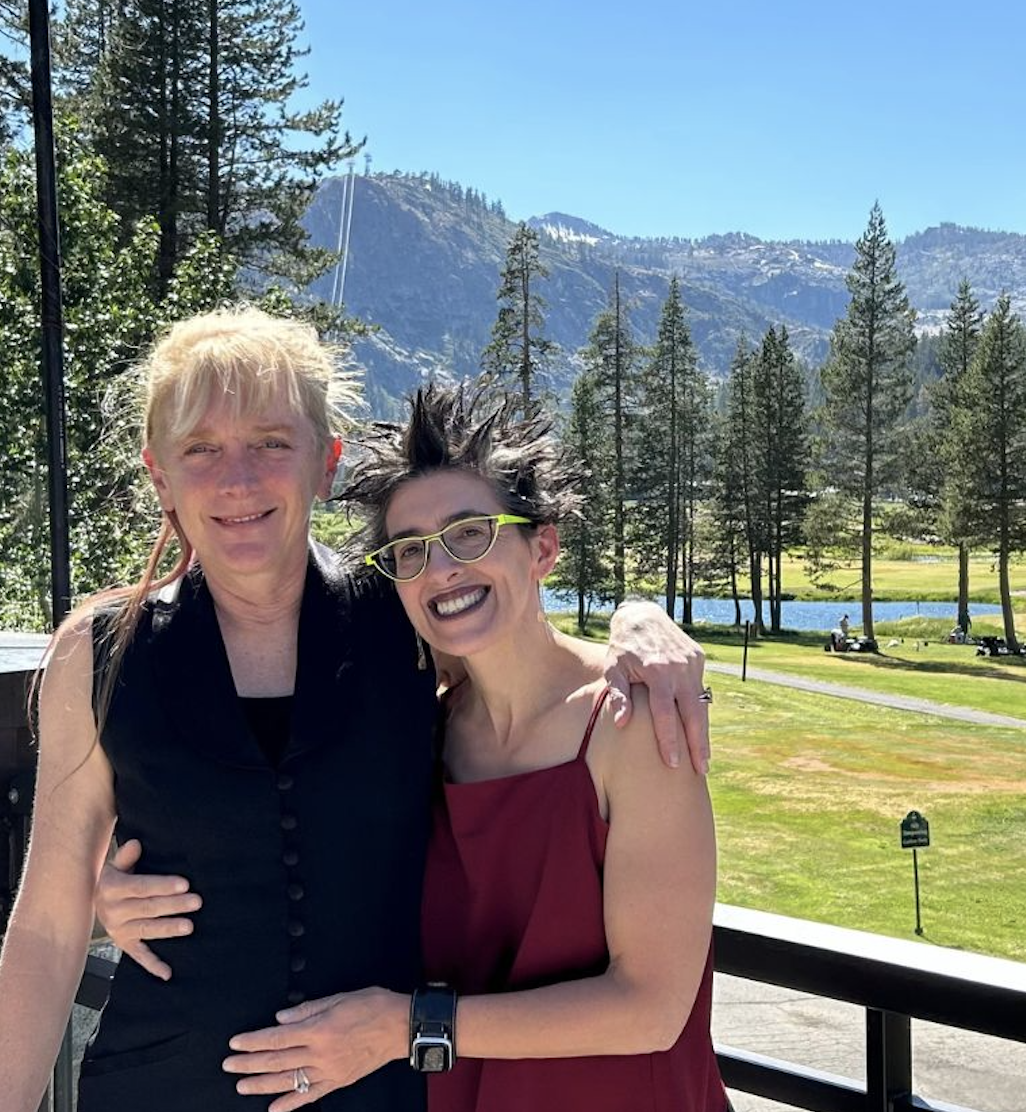
Growing up in Idaho, Gwen Priest spent more time at the racetrack with her family than at church. Her parents sometimes took her and sometimes didn’t. They sometimes drank, and sometimes didn’t. Because of this so-called “sinner” status, she felt a tension within her largely-LDS community. Some families wouldn’t let their kids play with Gwen and her siblings. But Gwen always loved the gospel teachings and the sense that when her family life wasn’t stable, the gospel was…
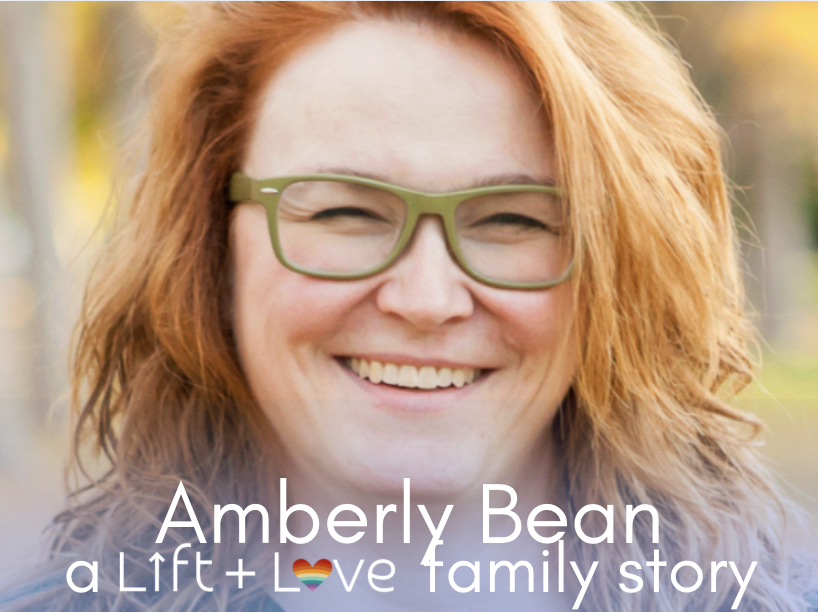
Growing up in Idaho, Gwen Priest spent more time at the racetrack with her family than at church. Her parents sometimes took her and sometimes didn’t. They sometimes drank, and sometimes didn’t. Because of this so-called “sinner” status, she felt a tension within her largely-LDS community. Some families wouldn’t let their kids play with Gwen and her siblings. But Gwen always loved the gospel teachings and the sense that when her family life wasn’t stable, the gospel was.
One thing she absolutely learned from her parents was that Christ loves all equally. Her family hosted foster siblings, alcoholics, the homeless and other “lost souls” on their property through her younger years. Her dad had had a rough upbringing himself and taught her, “That’s what we do as Christians. If someone needs something, you help them.”
After moving out on her own, Gwen had a successful IT career in Utah. At 21, she was single, owned two cars and loved her job. People would constantly ask if she was going to serve a mission and she’d think why? I love my life. The older she got, the more she observed church felt like a competition; and eventually, she quit going.
In 2000, she moved to New York City with a friend from Utah and decided to give the Manhattan ward a try. She walked in and saw a man wearing a dress and full make-up. In the chapel, someone pointed out someone who was gay, someone who was trans, and in the corner, a group of BYU interns who looked scared and lost. Observing the diversity in the room, Gwen finally felt, “THIS is my church. This is how it should be, anyone and everyone showing up as who they are. I felt welcome and comfortable. It saved my testimony of the church as an organization.”
Gwen got married, had her first baby, and laughed when her parents said she became a “flaming liberal.” Soon she and her young family moved to North Carolina, where one became four kids. When Gwen’s third child, Maggie, was 10 years old, Gwen found her in her room crying. Maggie had always struggled with anxiety, but this time she could hardly talk when her mom asked her what was wrong. Finally, Maggie said, “Mom, I think I like girls—am I going to hell?” Gwen says, “I had so many feelings and worries, it was like a dam opened. I immediately started praying for the right words, knowing damage can happen in those initial moments. I asked God, ‘What does my daughter need to hear’?” The answer came immediately and Gwen replied, “Of course you’re not going to hell, where did you get that idea?” Maggie shared she had “heard some things” at church. Gwen thought of a few gay friends the family had and said, “What about (this person). Do you think they are going to hell? No? Well neither are you!”
When Gwen left the room and shut the door, her first thought was that her daughter was so young, only 10 years old. She hadn’t even really started puberty yet, how could she know this? But the answer Gwen received to her prayer was, “Just trust her and listen.” Gwen told her daughter she had a lot of changes coming up with her body, friends, and school. She advised Maggie to just take one day at a time and always remember that she had a loving Heavenly Father. She just wanted her daughter to be loved and happy.
Gwen says Maggie’s effervescent, open, and loving personality drove her to want to be honest with a few close friends, even at her young age. Suddenly, Gwen observed Maggie experiencing the same thing she had as a child—other church families pulling away and ostracizing her. Someone in the ward told the Primary president to not let their daughter sit by Maggie. After getting her rage in check, Gwen spoke with the bishop and requested he be prayerful about the Primary teacher they chose for her daughter as she was still dealing with some depression and anxiety. Even with this setback, most of the ward, including the bishop, were kind and quiet about the situation, if not accepting.
Maggie’s coming out to her siblings went well. She was put in charge of a Family Home Evening night where she got up and said, “Well, everyone, I’m gay.” Her older brother and firstborn sibling, Evan—now 19, said, “What?! I’m so confused. How can a member of the church be gay?” As a family, they all talked about what this meant and the fact that Maggie was still young. Gwen told her kids, “You’re still figuring out who you are. Stay close to God, say your prayers, and hopefully we’ll all stay close so we can support each other. We just want you to be happy.”
In 2018, Gwen and the kids’ father divorced, and Gwen decided it was time to live out her dream. She packed up the kids and they set off to backpack through Europe for six weeks. A friend who had LGBTQ kids of her own joined them for part of the trip. Gwen recalls one morning in Toulouse where at 5am she was packing up the car so they could quickly leave for their next stop. While shoving everything in the tiny trunk and looking for George’s missing shoe, Wren approached Gwen and said, “Guess what… I’m gay.” Gwen had no idea how to process this information, which she needed to do on a dime as they had to quickly depart. She looked at Wren and said, “Ok, um, let’s hug. Help me load the car and can we go for a walk as soon as we get to our next stop? I don’t want you to think this isn’t important but… uh….”
Wren (they/them) had been off on their own at a study abroad language immersion program and had just met up with the family. On Wren’s study abroad, they had fallen for another girl in the program. Upon learning this breaking news, oldest brother Evan said, “What is going on? Why are all my siblings gay?”
A year later, Wren approached Gwen and said, “Actually I’ve felt for a long time I’m nonbinary and want to change my name.” Gwen says, “Of all the coming out that’s happened in our family, that was the hardest. As a mom, having raised this child from pregnancy, I didn’t realize how invested I was in their gender. In spite of how open you try to be, you still end up with these subconscious hopes and dreams for your kids. I didn’t even realize they were there until Wren sat me down that day and I had to start adjusting.” Gwen thought, “What does this mean for my baby? That was the hardest for me⎯letting go of my gender expectations for my child. I still have a lot of questions about gender identity, but I love the person Wren is growing into and I’m so proud of their resilience and strength.”
Gwen prioritized core principles throughout her children’s upbringing since they were tiny, including daily scripture study. When Come Follow Me was changed to “Come Follow Me Home” thanks to the pandemic quarantine, Gwen’s family started having tough discussions about how women were treated in the Bible, non-traditional marriage, racism, and how the scriptures talk about women who are divorced. It became a ping pong match between Gwen’s oldest, Evan, who took things seriously and supported the black-and-white policies of the church, and others waving the rainbow flag who made it clear they are loud and proud. “Some of those conversations were very scary. I didn’t want my kids to fight about these issues. I wanted there to be support and love in our home, but through these debates and discussions we made some major breakthroughs in our relationships, learned a lot about the scriptures, tolerance and love, and we are stronger for it.”
In 2021, Gwen, who now works as an author and poet (@leighstatham), married a wonderful man named Blake who had never been married and has no biological children of his own “but took us, and all of this, on without flinching.” Blake became a front-line witness to their very confused, elderly bishop seeing Wren walk into church in a fresh suit for the first time. Gwen says many in their congregation have been very supportive. The temple is the hardest thing for them, because of the gender policies. Wren says, “Basically, because I wear pants to church, I can’t go to the temple.”
When Gwen’s youngest, George, was first able to go to the temple, the whole family—including Blake and Gwen’s ex-husband—decided to go together. Even Wren came and sat in the waiting room. Gwen was touched by the fact that a couple of key people from Wren’s life just happened to be there that day and stopped in to say hi and make them comfortable. Still, this exclusion reminded Gwen of how many of her family members who aren’t in the church couldn’t be in her own temple wedding. “It’s poignant, painful, and makes you stop and wonder why you are doing this when it hurts those you love most. But then you remember, you’re doing it FOR those you love most.”
Wren only comfortably attended combined youth activities and avoided gender divided ones after coming out. One time, they didn’t want to go to an activity and Gwen did something she normally didn’t and nudged Wren out of the car for it. When she returned for pick up, Wren jumped in the car, excited, and told their mom there had been a 12-year-old trans kid present and if Wren hadn’t been there, they would have been all alone. Wren now lives in western North Carolina where they attend college and a family ward. They’re likely the only non-binary LDS member for 150 miles, but Gwen is so proud of how Wren walks a mile in the snow, then carpools with a friend from their university to get to church each week.
Gwen told Wren, “If you’re not there for people to see and meet and get to know, then who will be? It’s hard because everyone usually leaves, but someone has to stay if we want anything to get better.” She continues, “Both of my LGBTQ kids have read the Book of Mormon their whole lives, prayed about it, they love the gospel, they know the scriptures, and they went to seminary. But they rightfully say ‘Where do I fit in?’ I tell them they’re the new generation of pioneers. I say, ‘Think of your ancestors in New England, Britain, Missouri, and Ireland in the 1800’s saying, where does our new faith fit into Christianity? I trust you’re following the path you need to follow. I love you, God loves you, we’ll see what happens. Because we never know.”
Evan’s very strong black and white sense of morality was thrown into an environment at home and at his arts school he couldn't have imagined. But from there, he learned that good friends can grow even if there are major differences of opinion and even within his family. He is currently serving a full-time mission and is applying his experiences to teaching in the field. Evan says, “Loving one another does not mean that you have to agree with every part of life with others. Loving one another means showing respect for others’ decisions or opinions regardless if you agree with them, and voicing concern if necessary.”
Gwen knows and wants her children to know, “Christ is eternal, and he loves us all. In the long run, everything will get worked out–whether you’re active in church or not, living in truth or not, Christ understands us, loves us, and it will be ok, as long as you stay close to Him in the way that is best for you.”