lift+love family stories by autumn mcalpin
Since 2021, Lift+Love has shared hundreds of real stories from Latter-day Saint LGBTQ individuals, their families, and allies. These stories—written by Autumn McAlpin—emerged from personal interviews with each participant and were published with their express permission.
THE NEW FAMILY
This is the story of a family who walked into your ward last Sunday for the first time. They are new in town, just moved here from the other side of the country. They sat in the back row, behind the accordion folds of the overflow dividers, hoping to blend in to oatmeal panels and a sea of pioneer stock. They hope no one will beeline their way during the postlude. They’re not sure how to explain it just yet, how much to tell. Why their records weren’t transferred just yet. Why there are no longer records…
This is the story of a family who walked into your ward last Sunday for the first time. They are new in town, just moved here from the other side of the country. They sat in the back row, behind the accordion folds of the overflow dividers, hoping to blend in to oatmeal panels and a sea of pioneer stock. They hope no one will beeline their way during the postlude. They’re not sure how to explain it just yet, how much to tell. Why their records weren’t transferred just yet. Why there are no longer records.
Three hymns, two prayers, some announcements. A youth speaker, a missionary, and a high councilman. Same line-up, different players. They’re not sure what to expect. They’re trying to remember why they came, besides their teen daughter’s desire to make some friends. But they could have signed her up for dance or something. She is distractible. The sacrament; that’s it. The sacrament still beckons.
For the purposes of this story, they shall remain anonymous. But they are very much real.
The first hour is innocuous – a talk about the Word of Wisdom, a talk about an exemplary zone leader, a talk about a baseball game with an analogy about striking out versus what it feels like to get walked or something. The words the family wants to hear don’t come. But neither do words they’ve heard before that would make them stand up and leave, never to come back. Again.
Something about the move made them hit reset. As they evaluated what they wanted to put in to this new life, this new town, they considered the things they might miss about the old one. And while most of church had become dusty and painful, like an abrupt desert storm, there were those things they missed. Recognizing faces in the grocery store, and having them smile back. Treats dropped off on the porch by youth leaders. Campouts. Potlucks. Midnight emergency calls to a minister. The Trunk or Treat. The sacrament.
So here they are. They stand and glance at each other, wondering if they should go for it: second hour. Or head to the parking lot. A friendly face offers to walk their daughter to Young Women’s. Her parents shrug, might as well stay.
Sitting alone in Relief Society, after a quick, safe “I’m a visitor” compulsory intro from the back row during announcements, a mama bear waits. Listening. On watch, it is impossible for her to settle into the comfort of the plush cushion of her green chair. She can’t call these chairs home just yet. Not without sensing the barometer of this room, this society. Could they bring relief? Some have turned and smiled, but would they do it again if they knew?
And then it comes. The teacher is young, blonde, seems friendly enough. She has picked a conference talk you didn’t listen to because you actually stopped listening to conference three years ago after that one talk. But at your last extended family dinner, the one that happened right before your move, your brother had gently mentioned that there was this one talk at the recent conference that you might want to listen to. One that was probably written with people like you in mind. This recap sounds like it. A woman gave it; her name is unfamiliar, new. But it’s about not judging others. You look at the blonde teacher and wonder how far she will take it, how far she will go. Where is her line where we’re all of a sudden allowed to judge, because most of the teachers in the past congregation seemed to have one. Hate the sin, love the sinner. Cannot condone the least amount of sin. Especially that one youth leader who let the kids keep saying those things…
And then she says it – the five initials that can turn a room on a dime: LGBTQ. Usually accompanied by the incendiary follow-up: “issues.” Because your family is an issue. Your child is an issue. You wish you could wear sunglasses so they couldn’t see your furtive glances. You subtly scan the room, searching for straightening spines, hunching shoulders, the familiar detached phone scrolling you took to when the last round of teachers would bring up your “issues.” Another game of ward roulette. One you lost in your entire stake before.
Only this room maintains a relaxed posture. And the teacher segues into her own story – about her nephew who came out. He is the best, the brightest, all his cousins love him. And in their family, they choose to love. And he loves them back.
She transitions to her next point, about another time someone judged someone else for something else. And you stop counting the steps to the Exit door. You feel your preparatory hot flash melt into a comfortably cool front. It has passed. You are no longer on trial. Your child is safe here. At least today. Not in presence, but in theory.
Because he is not here. He is at home. He will not be coming back to church – ever. And after all that happened in your last town, the one you left to keep this child alive, divine forces above whispered that’s how it should be. They still do. But on this Sunday morning, one that took a different direction because your daughter said she’d really like to make at least one friend in this town, your son half-smiled and told you he’d be fine at home, by himself. He has a paper to write about Native Americans. He always keeps “The Office” reruns playing in the background, for safety. He is distractable.
And for now, so are you. You have mastered the art of distraction. You know how to scroll through recipes during lessons on the Proclamation. You know how to sit in your car and play Sudoku. The meeting ends, and a few friendly faces approach and want to know more. And you tell them just enough, but not too much. They seem nice enough, but you are still new here.
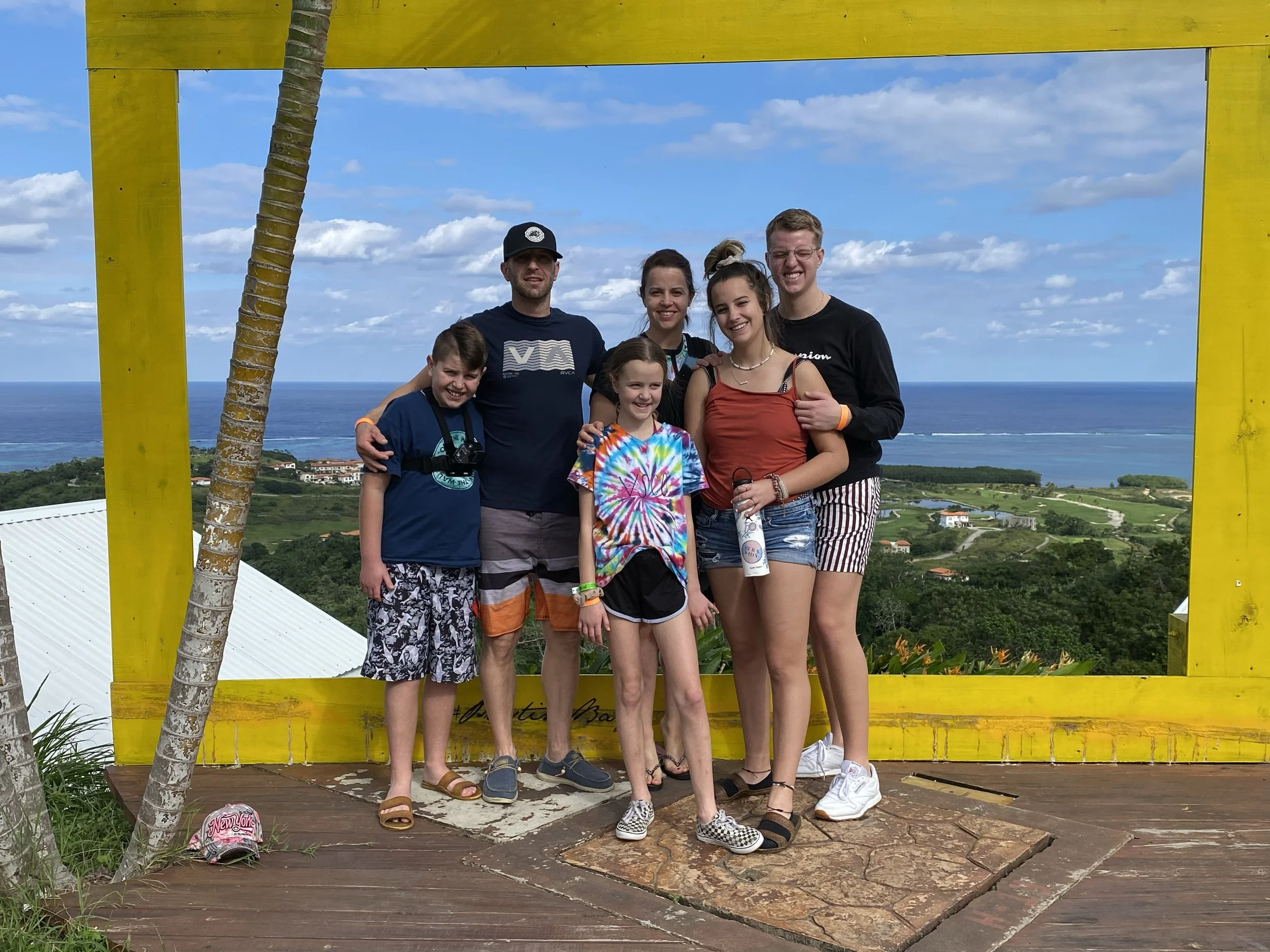
THE HUGGARD FAMILY
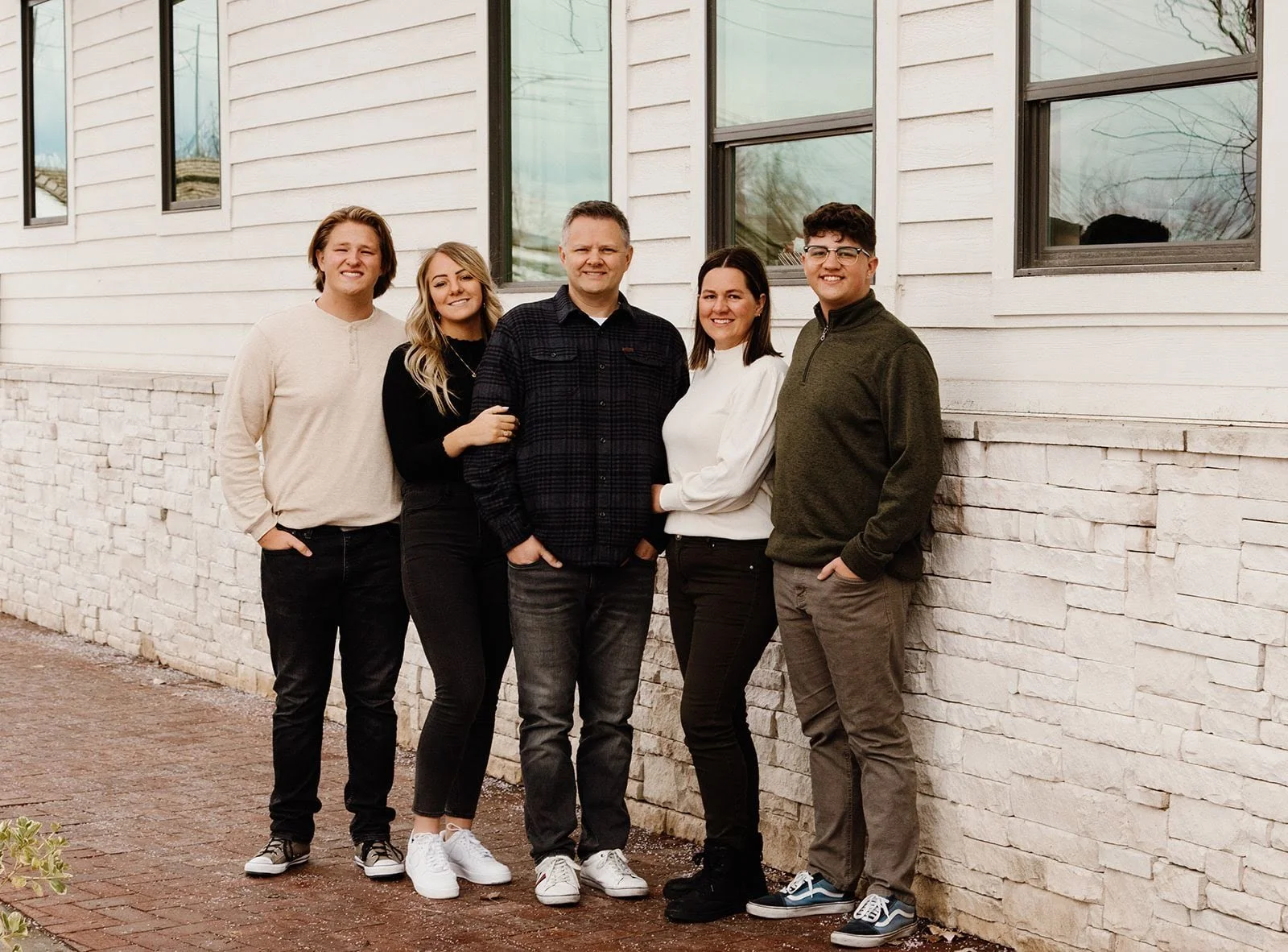
Once upon a time, Heber C. Kimball commissioned fellow LDS pioneer John Hoggard to settle American Fork, UT. Six generations later, two of their descendants would meet at Lehi High School where Troy Huggard (of the Hoggard line) and Aubrie Fitzgerald (of the Kimball line) would meet and fall in love. The Huggards have been married almost 25 years and lived 20 of those years in American Fork where they have raised their kids, Cayden – 21, Emma – almost 18, Connor – 15, and Sophie – 12. A digital photo frame in their kitchen plays a running slide show of favorite family memories. In the mix, is a family motto that pops up often, “Inclusion is a family value.”…
Once upon a time, Heber C. Kimball commissioned fellow LDS pioneer John Hoggard to settle American Fork, UT. Six generations later, two of their descendants would meet at Lehi High School where Troy Huggard (of the Hoggard line) and Aubrie Fitzgerald (of the Kimball line) would meet and fall in love. The Huggards have been married almost 25 years and lived 20 of those years in American Fork where they have raised their kids, Cayden – 21, Emma – almost 18, Connor – 15, and Sophie – 12. A digital photo frame in their kitchen plays a running slide show of favorite family memories. In the mix, is a family motto that pops up often, “Inclusion is a family value.”
It's a quote that Cayden, who is gay, takes comfort in seeing. It’s a notion that wasn’t always the case for those who came before. Both Troy and Aubrie grew up with LGBTQ family members. But the way their families had handled those announcements was not ideal, and Aubrie says past treatment did not make it any easier for her own son when he was grappling with coming to terms with his orientation.
“The way my family had handled it taught me it was shameful. My understanding was it was something you chose. You might have tendencies, but I thought it was a choice, based on how my family and the church talked about it,” says Aubrie.
Regarding the birth of Cayden, Aubrie and Troy recall what a special feeling he emanated as an infant and little boy. “We wondered if he would be a prophet or an apostle because he was so pure and loving. He was extremely sensitive and gentle and didn’t even want to bother me while he was in my womb,” claims Aubrie.
As he grew, she paid close attention to the “tendencies” she observed in her firstborn. As a young child, he loved to dress up in princess dresses and play with little girls, dance, and sing— “some of the similar behaviors of my gay family members,” says Aubrie. “We didn’t encourage those things and now it makes me sad because Cayden is very talented and could have excelled in these things if we would have.”
The summer before Cayden’s senior year, he attended the Love Loud concert with some friends. Inspired by the affirming support of Dan Reynolds (front man of Imagine Dragons) to be yourself, Cayden came out to himself at that concert, finally feeling accepted and loved as a gay man.
Shortly after, he started testing the waters at home, hinting to his mom that he “might be bisexual.” He had some LGBTQ friends, and Aubrie recalls she would say, “Don’t hang out with those people.” She was worried that they were going to “make” him gay. On September 13th 2018, Cayden finally summoned the courage to tell his parents that he was gay, and Aubrie admits they did not handle it well. Terrified, they started looking for church resources everywhere they could, and not finding too much that was helpful, Aubrie maintained the mindset that maybe her son could still be gay and marry a woman. “In hindsight, I should have said, “I love you, it doesn’t matter and not tell him that he could marry a woman but let him know that we would love and support him as he self-determined his future,“ says Aubrie.
Aubrie finally felt a change of heart when she came across an article by Tom Christofferson, in which he praised how his mother (who also raised apostle Elder Todd Christofferson) had gone to great lengths to always make sure Tom and his partner felt comfortable in their home. Aubrie knew she had work to do.
Then Cayden started dating men. With his parents’ blessing, he came out to his siblings and sent an email to his grandparents in which he told them he was gay. Aubrie says, “He got a great response from them.” Soon after, her extended family said Cayden’s coming out changed the way they all felt about its LGBTQ family members. “Because he’s been able to be open about who he is and because we’ve been accepting and loving -- they all recognize the good in that,” she says.
Right after Cayden graduated high school, he went on a humanitarian trip to Jerusalem. He shared with his parents that he’d had a dream he needed to come home and go on a mission. He needed to get the bishop’s phone number, since he hadn’t been to church since January. Troy told Cayden, “I’ve been on a mission and missions are hard. I don’t encourage you to go as an openly gay man. I think it will be harmful to your mental health.” Aubrie, too, faced the facts with Cayden and said, “You have a boyfriend. How are you going to go on a mission with a boyfriend?” Cayden reasoned, “Lots of people go on missions with boyfriends or girlfriends at home.” Aubrie replied, “Yes, straight kids.” Aubrie says luckily, Cayden’s boyfriend was not supportive of him leaving to go on a mission, and while that relationship had its problems, one good thing that came of it was that it kept him off a mission – something his parents recognize would have been terribly difficult with his mental health struggles coupled with being an openly gay missionary.
His mother observes that Cayden has dismissed the church and is now on his own spiritual path, and says he believes in a higher power but with more agnostic tendencies. Cayden recently completed massage therapy school and is working on becoming a certified licensed massage therapist. He also works as a server at Brio, a nice Italian restaurant in Murray, Utah. Cayden currently lives in Salt Lake City where he is among many friends. “It’s good for him to be away, but he still comes home a couple times a week, mostly to see our dogs, Cooper and Mushu,” says Aubrie. He is now close to his parents, and they talk several times a day. Cayden loves to be with his friends, take care of his plants, paint, work out, and he loves the healing arts.
Aubrie and Troy now make a concerted effort to always include Cayden and all LGBTQ youth and people in their home. Aubrie says, “We want the church to be more inclusive. Until church is, that will come through us. Our kids know if you’re gay or come out, we include you.”
She continues, “These people who are gay are special spirits and they deserve a place; they have a place in God’s kingdom. Which is here and now, too. As far as Cayden goes, he’s a part of our family and always will be. There’s no exclusion policy here.”
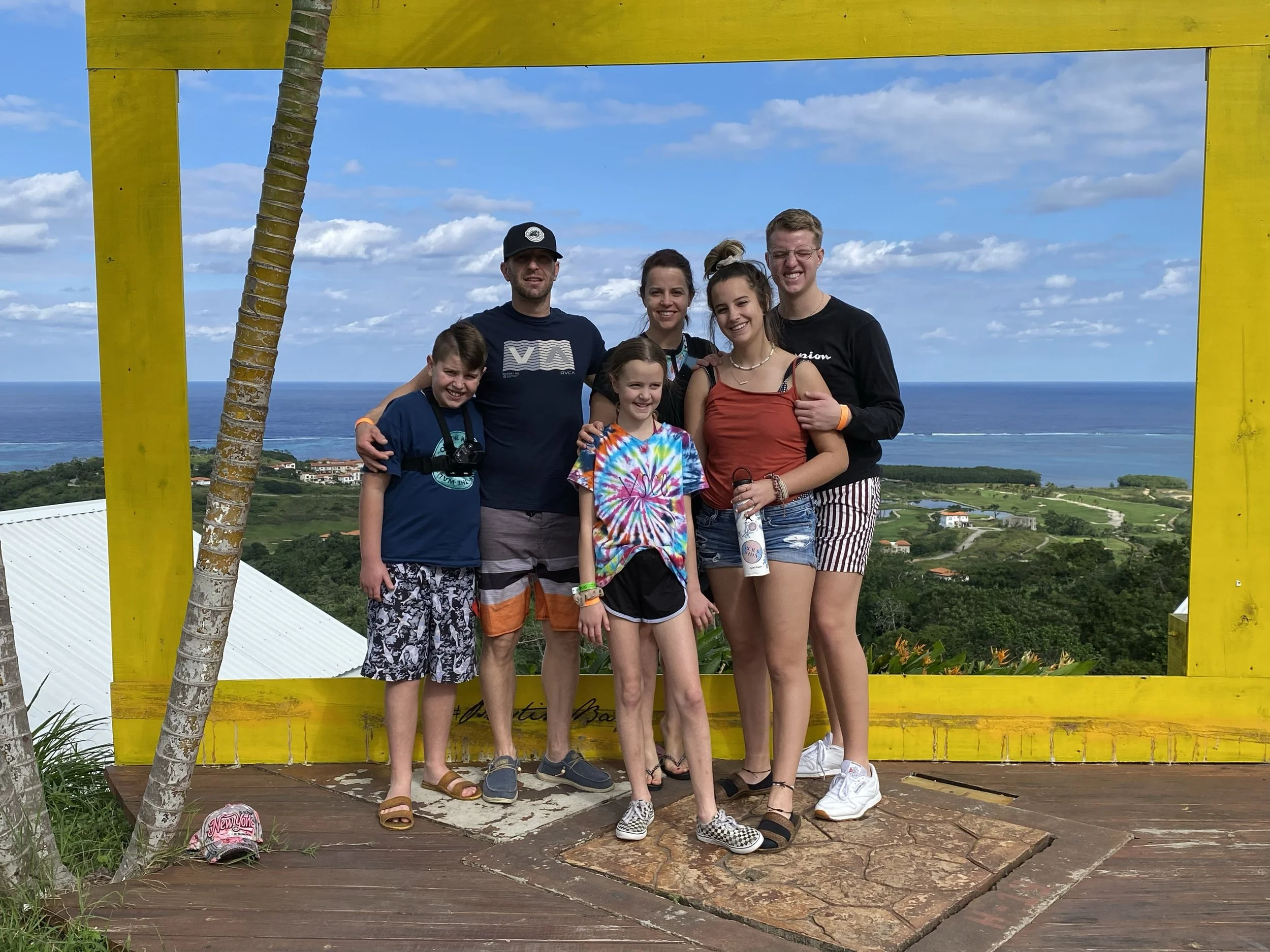
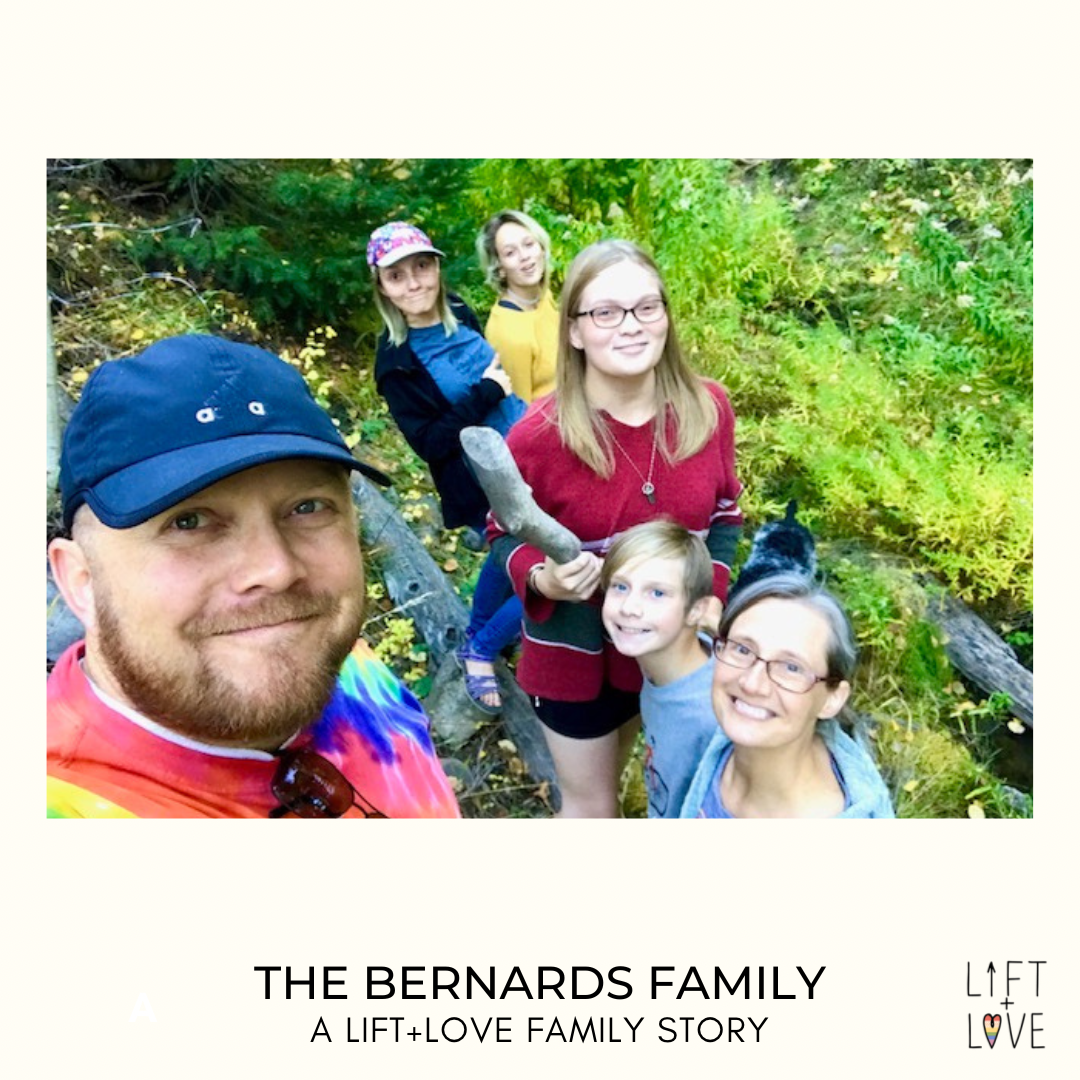
THE BERNARDS FAMILY
When Julia Bernards felt prompted to go back to school for a graduate degree in Marriage and Family Therapy (MFT) as her youngest began school in 2015, she didn’t realize how personally meaningful her training would become.
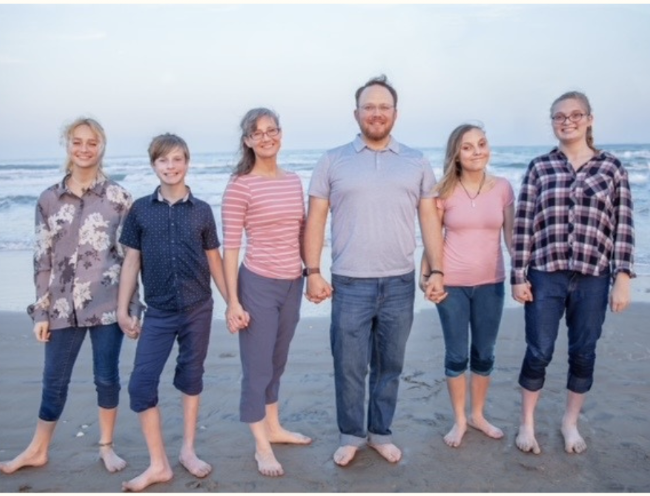
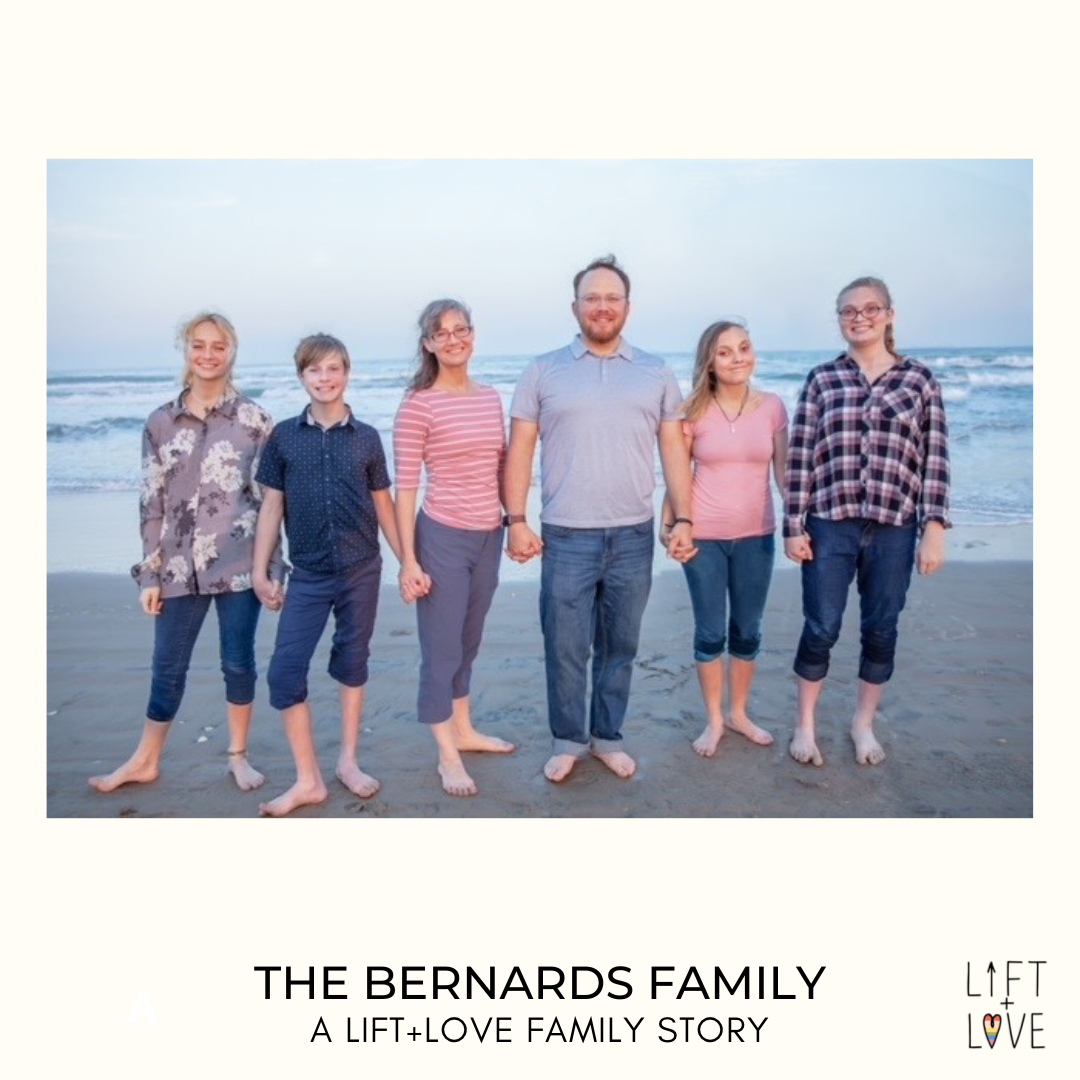
Julia and Sam Bernards raised their four kids, Emma–22, Carol–19, Thea–17, and Isaac–13, firmly in the LDS church. Despite growing up in the diverse city of Nashville, TN, Julia’s studies to become an MFT “opened my eyes again in new ways to diversity, and the importance of honoring and validating people’s experiences that are different than mine.” This new paradigm, in fact, shifted the entire Bernards household, as Julia brought home topics she was learning about. Family discussions began to address the Black Lives Matter movement, LGBTQ+ issues, culture, privilege and women’s rights. While her training opened the door for more expansive thinking, it was still a shock to Julia and Sam when their eldest made an unexpected post on the family group chat at the age of 19.
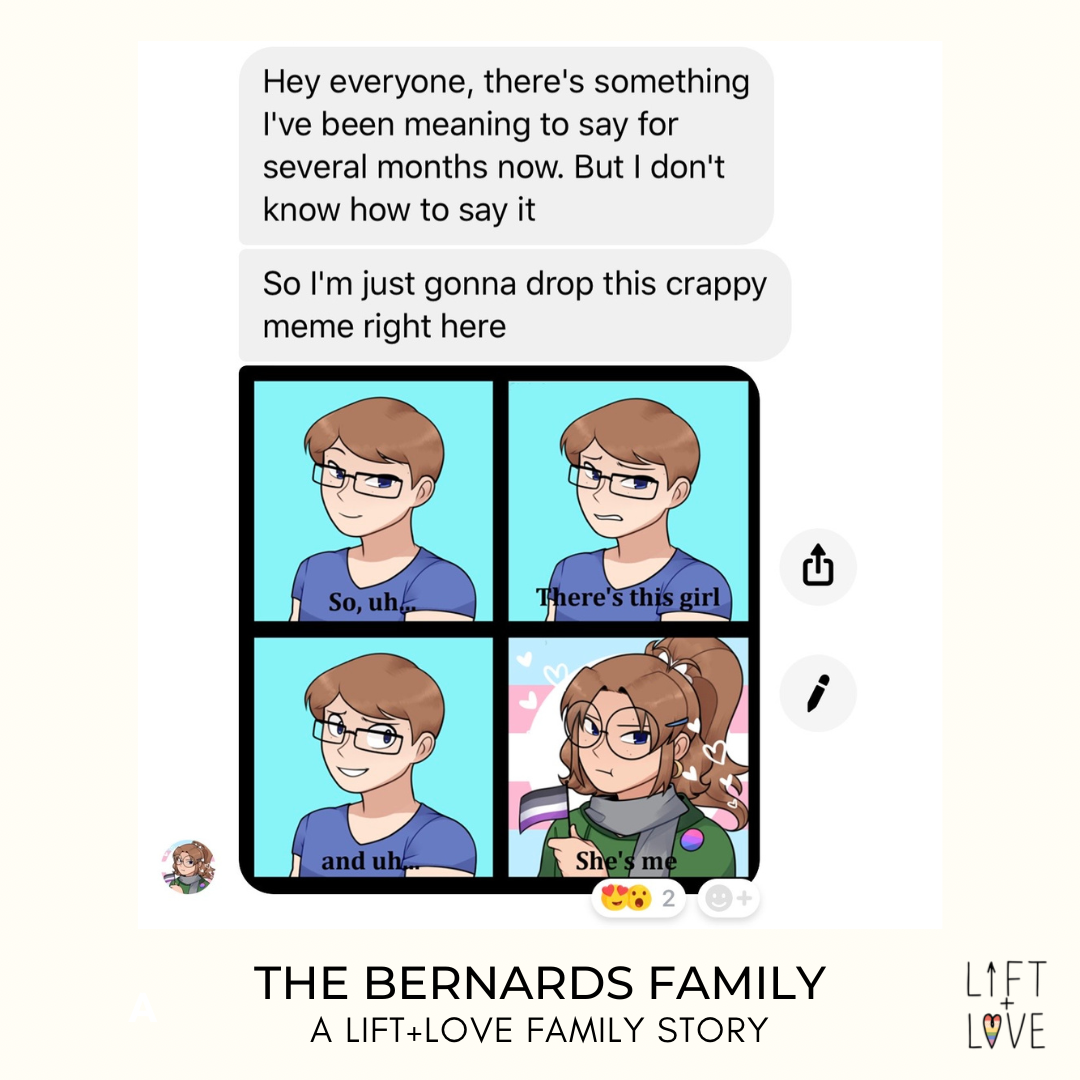
Emma was “that wonderful kind of kid who makes parents proud. Always loving to siblings and dedicated to God and the gospel. If she was having a bad day, she was the, ‘I just need to go read my scriptures and things will go better’ type,” says Julia. Julia remembers a couple times when Emma made derogatory asides (like “that’s so gay”) about the queer community, which felt out of character for someone so loving and kind. So Julia didn’t expect it when Emma revealed to her parents that she was bisexual. But there was more to come. A few months later, in December 2019, Julia picked up Emma from her BYU dorm to bring her home for Sunday dinner and family council. During the drive, Emma posted a four-panel comic on the extended family group chat. The captions read, “So, uh,/ there’s this girl/ and, uh/ She’s me!” The Bernards family council took an interesting turn that night as Emma (who was assigned male at birth) confirmed she identifies as female.
“Because of my training, I was aware of trans people, but it had never occurred to me that this strait-laced, black-and-white thinking kind of child would come out as trans. I was in shock. My brain could not process.” Julia recalls how each of their kids had different reactions, all revealing of their inner worlds. “Our second oldest, Carol, was like, ‘Cool, interesting, it’s good to know this about you. Thanks for telling us’.” (Emblematic of her low-key, open nature.) Third down the line, Thea – who was already identifying (privately) as gay -- excitedly said, “Congrats, that’s so awesome, I’m so glad you came out” -- a reaction Sam and Julia found odd at the time, but now realize may have been prompted by relief to have a queer sibling to pave the way. Julia says their youngest child, Isaac, “was devastated because he’d always felt close to his older (brother at the time). They had shared a room, and Emma had always been so loving to Isaac. Now Isaac felt he was losing his brother.”
Later that night, Julia and Sam were at a loss, wondering what to do. Not having the benefit of the training Julia had undergone, Sam had a hard time understanding Emma’s transgender identity. Even with her training, Julia felt blindsided. “As an MFT, we don’t work with our own families – it’s too personal. With clients, I can be more objective and let them make their own decisions and offer reflection without saying, ‘This is what you need to do’… With Emma, I was juggling shock, fear, grief, and a sense of ‘Does she even know what she’s talking about’?” But that night when Emma declared, “I know you’ll always love me. And I know you can’t accept this,” Julia strongly protested. She knew that if Emma felt rejected, it would lead to estrangement and heartache. She assured Emma, “We do accept you; we’ll be with you on this path.” But in her heart, Julia was thinking, “What do I say, and what can I do?”
The next morning, she took that question to the temple: What do I do? As Julia sat and pondered, she received a clear answer, “Your job as a mom is to love, accept, and support your child.” When she thought about questions she wanted to ask and possible push-back on Emma’s conclusions, Julia received guiding pressure back to the simple direction that she needed to “love, accept and support.” In retrospect, she felt, “I believe I was being guided away from fear-based thoughts and such and toward faith-based, love-based understandings.” The wrestle continued for two hours, and Julia reports it still occurred after that day. But she committed to let go of her own fears and agenda and align with the simplicity of her edict: to love, accept and support.
Emma had always been an amazing student and had received a four-year, full-tuition scholarship at BYU. When her grades substantially deteriorated earlier in 2019, it had signaled a serious depression and Julia had helped her find a therapist. Over the course of that therapy to work through the depression, Emma learned to love and accept herself. She also decided to finally face some of the deeper issues with which she had silently wrestled her whole life. That process became a quest to know herself and culminated in a clear understanding that she was transgender. Following her coming out, Julia sought another therapist who could work with Emma, particularly on gender. It didn’t go as planned, though. Julia laughs that when she and Emma met with the therapist, he said, “So you know your gender is female, you’re doing well emotionally, your parents accept this and support you? Great, my work here is done.
Because she was 19, Emma was legally able to start hormone therapy. Eager to begin her transition, she seized the initiative, navigating the requisite insurance carriers, doctors and therapists within weeks. Watching this process and transition was a struggle for her dad, as fatherhood is a deeply special and sacred role for Sam. He grieved seeing Emma abandon that opportunity. He continued to love and walk with her on her journey, however, drawing strength from an experience he had at a conference put on by Encircle shortly after Emma came out. (cont’d)
While sitting in a session, an image came to his mind—a vast, dark whirlwind, a vortex circling down into the depths of darkness. He recognized that everyone in the world is within that vortex, and perhaps we move up and down, but we’re all having this mortal experience full of challenges and difficulties. And no matter where we are, Christ is with each of us individually. And He wants to be. Sam realized, “If Christ is going to walk my daughter’s journey with her, wherever that leads, and if I want to be like Christ, why would I not make that my journey, too?” That day, Sam decided that despite his grief and confusion, he would just love Emma and walk with her. It has also helped Sam to lean on Julia, who is nearing completion of her PhD and currently writing her dissertation about LDS parents’ process in accepting a transgender child.
Of parents’ process with a queer child, Julia says, “When something shifts in how we conceptualize our lives and the people we’re most attached to, it takes time to relearn and get grounding underneath us. We have to learn a new structure of our life, our relationships, the people we love. That loss and rebuilding is what we know as grief. For some parents, the grief came prior – seeing a child in so much pain, or suicidal. Some have already lost so much of the sense of their child’s well-being. Sometimes, when a kid comes out as trans, it feels like putting the pieces back together. It took me months of trying to put my world back together.”
Emma came out as trans just a few days before her final interview to go on a mission, something she’d always really wanted to do. She’d also loved doing baptisms at the temple and was looking forward to receiving her endowment. The temple was an important place for her as it was there that she had prayed and pondered about her gender identity, feeling she couldn’t be deceived there. In the temple, she felt God affirm and embrace this part of her. But at the bequest of well-meaning leaders, her mission and endowment were put on hold, and then a new church handbook came out that made such opportunities impossible for those who are transitioning. (cont’d)
Julia and Sam decided to take it upon themselves to tell Emma this, during a last trip to the temple together to do baptisms. Julia says, “It was quite the paradox to have a revelation she received in the temple then exclude her from being able to go to the temple again.”
Together, Emma and Julia wrote a letter to their ward council explaining Emma’s transgender identity and found their leadership and friends to be remarkably loving and accepting. Despite this support, about a year later, Emma told her parents she’d really been struggling with the church and even believing in God. She no longer wanted to participate in family prayers and scripture study and has stepped away from the church. But the family remains tightknit, and Emma’s experiences have prompted a faith journey for the family.
Julia reasons, “I thought we really need to be figuring out religion in new ways that allow my children to feel loved, and to potentially still have a relationship with God. We can transcend LDS beliefs to get to the roots of what we believe. A deeper faith crisis happened for me, too, which had me questioning all my beliefs, and led to lots of wonderful reading -- some I share with my kids. This continues, but I’m getting to a firmer place with some grounding. Sometimes I’ve worried that my own faith struggles would hurt my children instead of helping them, but I can’t be any mother other than the one that I am.”
Emma found BYU to not be the best fit and transferred to the University of Utah where she is now enjoying an active social life with the queer community. Emma is studying history and minoring in human rights. Her parents have enjoyed watching her blossom socially as she’s become more authentically herself.
Carol had a boyfriend for several years, during which time her disinterest in physical affection helped her identify as aromantic and asexual. She now attends UVU, where she plans to major in Entertainment Design. “Amazingly imaginative with an active inner-world,” Julia says Carol is an artist and her family’s “animal whisperer.” She has a strong self-image, and says if she could change anything about herself, “she’d love to have wings.”
Thea has officially come out as gay and identifies as gender queer. With a second queer-identifying child, Julia wondered what their ward community would think. “Now Thea’s out fully, but it was a rough time emotionally.” Julia has been impressed with how Thea has navigated things and acknowledges the influence of Thea’s wonderful group of friends – many of whom are also queer. They love to watch Star Wars, sing Disney songs, and play Dungeons and Dragons. Julia describes Thea as a “really smart, capable kid, who’d love to be a pilot or astronaut and is intrigued by Space.”
Isaac attends church with his parents (where Julia is a Sunday School teacher and Sam is an EQ secretary). Isaac is the Deacons’ quorum president and does “typical middle school boy stuff -- he skateboards, likes hanging out with friends, loves basketball.” He once asked, “Am I weird in this family because I’m not queer?” To which a sister replied, “You do you.” Isaac can often be found wearing his favorite black hoodie with rainbow print that says, “Black lives matter, Science is real, Love is love, etc.”
Most of the Bernards’ extended family has shown them support, though there has been a learning curve for some of the older generation. Julia has shared resources with their parents, and is grateful every time they see a heart change. Emma’s parents were touched when some of the aunts and uncles sent her gifts like jewelry, dresses, and “pretty things” during her transition.
Of their spiritual journey, Julia says, “We’ve kept a lot of our family practices but transformed them to some degree. We look at studying truth over just scripture, as well as resources from different faiths and perspectives. I think it’s been good to continue our spiritual practices, and also to let our kids ask questions and not think everything that’s taught at church is perfect and infallible. That they can receive revelation and light and truth for themselves. And we can recognize it through the Spirit because of how it feels. Our story is open-ended. But this is where we are.”
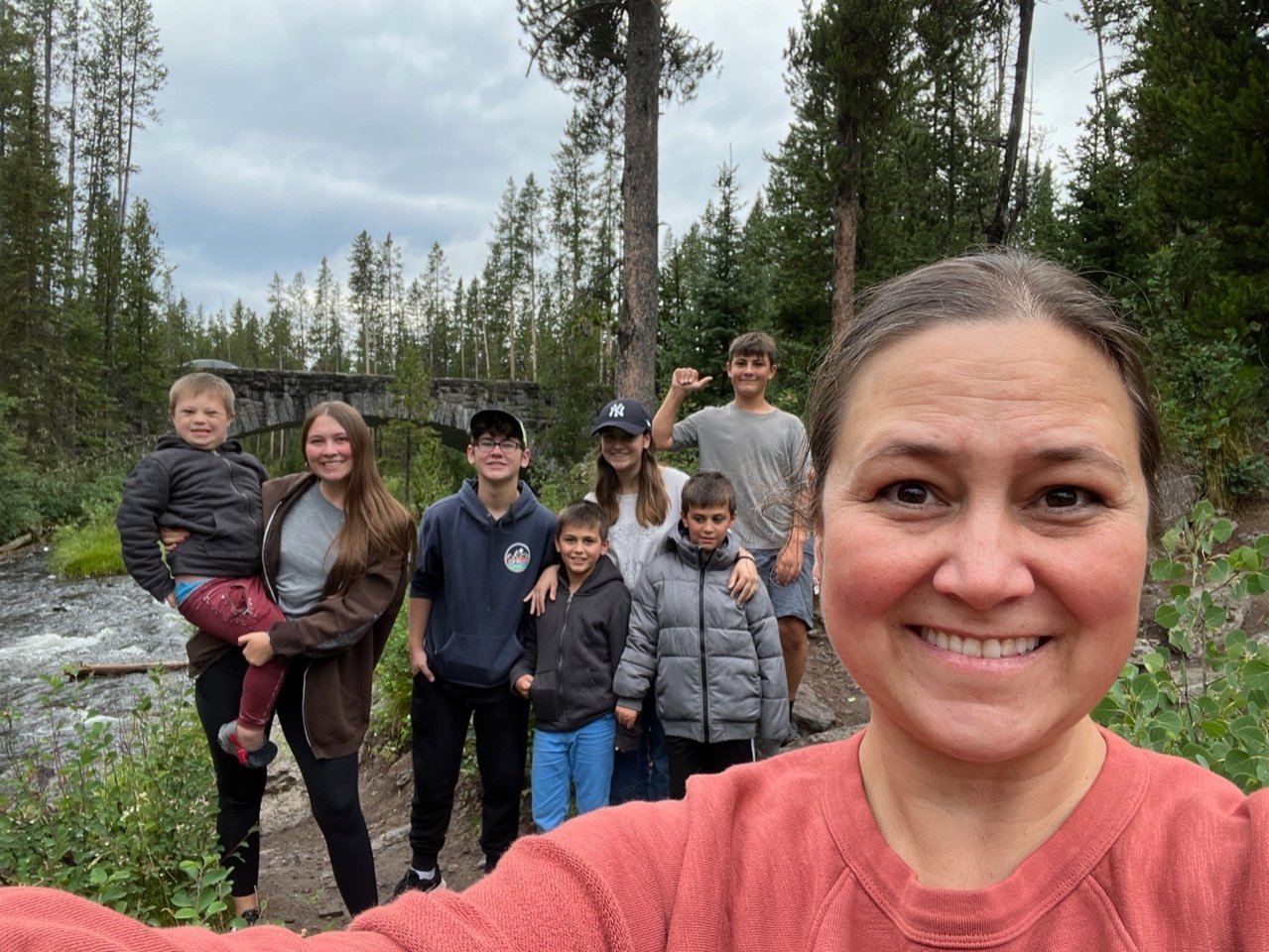
THE QUIST/MUMFORD FAMILY
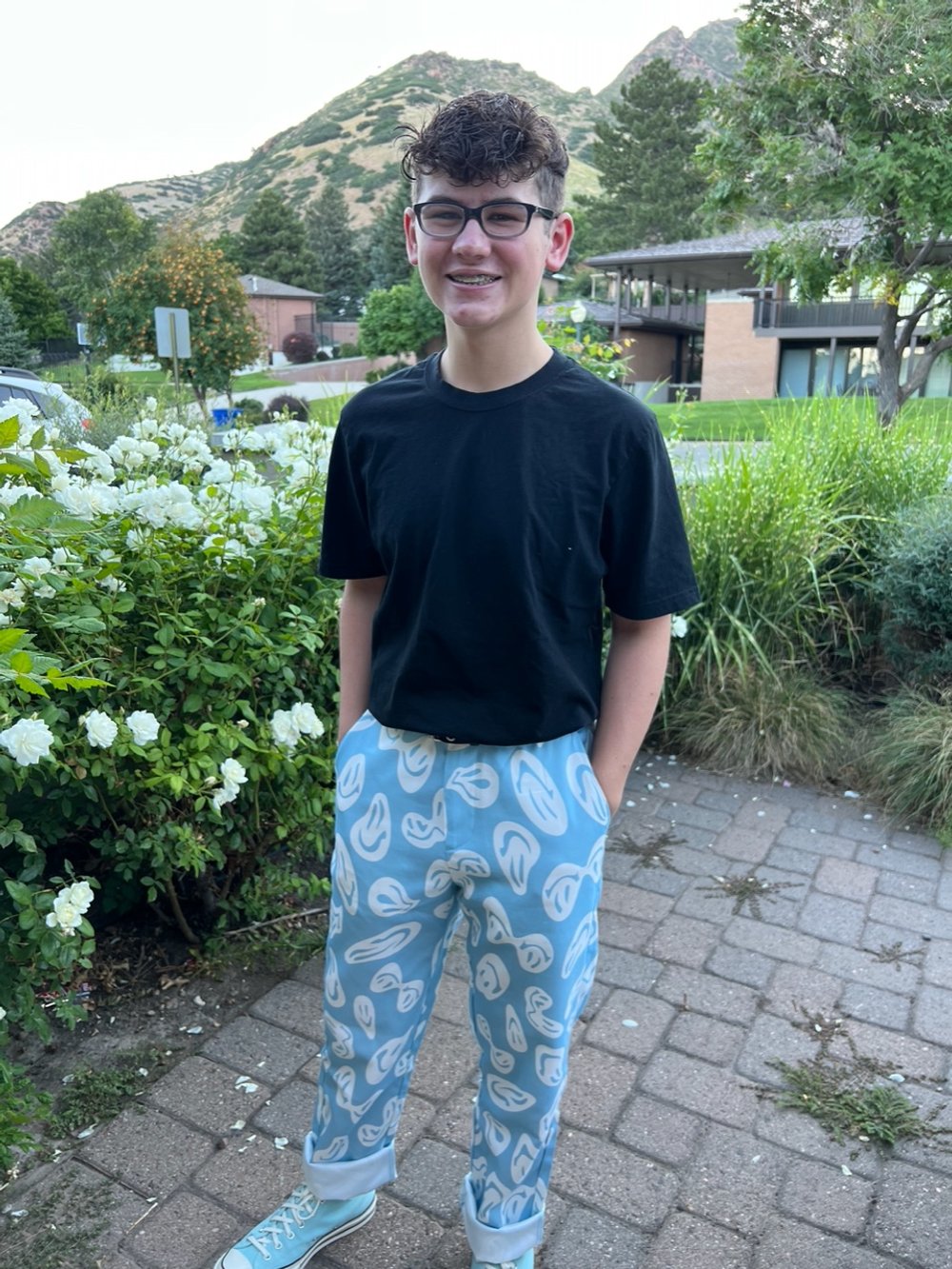
My oldest boy turned 16 recently. I found myself reflecting on his life, and the crosses he’ll have to bear.
I thought of those crosses because of the recent General Conference talk by Elder Holland who said, about those who carry heavy crosses, “I know many who wrestle with wrenching matters of identity, gender and sexuality. I weep for them, and I weep with them, knowing how significant the consequences of their decisions will be." This was the talk on Sunday morning during General Conference - the first talk actually - where I found myself looking over at Justice again and again, worried about what he was feeling. Worried that he was feeling singled out, or ashamed, or desperate, or dejected, or suicidal, or just plain sad.
He was reading a book. Because he has already checked out. And I'm glad I've taught him how to find safety. And peace.
But I noticed his eyes glance up furtively during the most personal part. I couldn't tell what he was thinking. He was just watching, with intent, as Elder Holland said that he knew individuals who "wrestle with wrenching matters of ... sexuality." Elder Holland weeps for them. Elder Holland weeps for Justice. But he won't be weeping with Justice, because Justice won't grow up feeling a need to weep for who he is…
(This Lift + Love Family story was written by one of our mothers @michlquist, who beautifully expresses sentiments so many of us relate to — the feeling of being in-between, in our own crafted safe spaces or waiting places. Here, we find comfort in knowing we are not alone. Thank you, Michelle, for sharing your story - Allison)
My oldest boy turned 16 recently. I found myself reflecting on his life, and the crosses he’ll have to bear.
I thought of those crosses because of the recent General Conference talk by Elder Holland who said, about those who carry heavy crosses, “I know many who wrestle with wrenching matters of identity, gender and sexuality. I weep for them, and I weep with them, knowing how significant the consequences of their decisions will be." This was the talk on Sunday morning during General Conference - the first talk actually - where I found myself looking over at Justice again and again, worried about what he was feeling. Worried that he was feeling singled out, or ashamed, or desperate, or dejected, or suicidal, or just plain sad.
He was reading a book. Because he has already checked out. And I'm glad I've taught him how to find safety. And peace.
But I noticed his eyes glance up furtively during the most personal part. I couldn't tell what he was thinking. He was just watching, with intent, as Elder Holland said that he knew individuals who "wrestle with wrenching matters of ... sexuality." Elder Holland weeps for them. Elder Holland weeps for Justice. But he won't be weeping with Justice, because Justice won't grow up feeling a need to weep for who he is.
But sitting there, feeling the way I was feeling, worried for my son, I wondered where to go from here.
I am a mother. It's what I was raised and conditioned to be. Am I a daughter of heavenly parents first? Do these roles conflict? Should they? Do my heavenly parents want me to choose between following them and loving and supporting my son live the life he was born to live? Would I deny him a life of love and partnership and marriage and family? Would his heavenly parents deny him such blessings? I can't imagine that to be true.
His burden is too heavy to bear. I will bear it for him.
I don’t know if there’s a choice to be made. All I know is that I choose him. And sitting in General Conference was uncomfortable in a way I never want to feel again. Nor do I want to put my own child in a position where he would ever feel bad about who he is, or that something is wrong with him, or, heaven forbid, ever feel the need to harm himself because he just can't be what the church tells him to be. Because everything about him is good and right and filled with light. I won’t do it. And if it’s not a safe place for him, then it’s not a safe place for me. Because I am his safety.
Here's the thing, though. I can't leave. Undeniable personal experiences have testified of light, truth, warmth, and love.
Yet, I cannot stay. I cannot look to my son during General Conference, or Sunday worship, or firesides, or activities, to make sure he’s ok from messages of exclusion and unattainable expectations. I cannot see him tortured by policies and blessings that don't include him. I cannot excuse him from activity and yet continue to belong where he is not welcome.
I used to be able to hear the Spirit in the messages. Now I only listen for what I'll need to heal. I wonder whether ears to hear and eyes to see means something different than what I thought before. Something more empathetic perhaps. Something more Christlike. Because I have the same ears that I had before. And I have the same eyes that I had before. But I hear everything so differently, and I see everything so clearly.
Christ lives. And my son is gay. And those two things aren't incompatible. I will celebrate both.

THE BAIR FAMILY
When Brinda Bair’s brother Kevin came home early from his mission and then came out as gay 15 years ago, it was “a rough patch” for her family. “We didn’t quite know how to deal with that, and we didn’t deal with it in a healthy way,” she says. As a result, Kevin ended up distancing himself from his family for several years, and it has taken time for them to mend relationships to where they are now – an instrumental place for Brinda, as it is now Kevin who serves as a positive role model for her own gay son, Christian…
When Brinda Bair’s brother Kevin came home early from his mission and then came out as gay 15 years ago, it was “a rough patch” for her family. “We didn’t quite know how to deal with that, and we didn’t deal with it in a healthy way,” she says. As a result, Kevin ended up distancing himself from his family for several years, and it has taken time for them to mend relationships to where they are now – an instrumental place for Brinda, as it is now Kevin who serves as a positive role model for her own gay son, Christian.
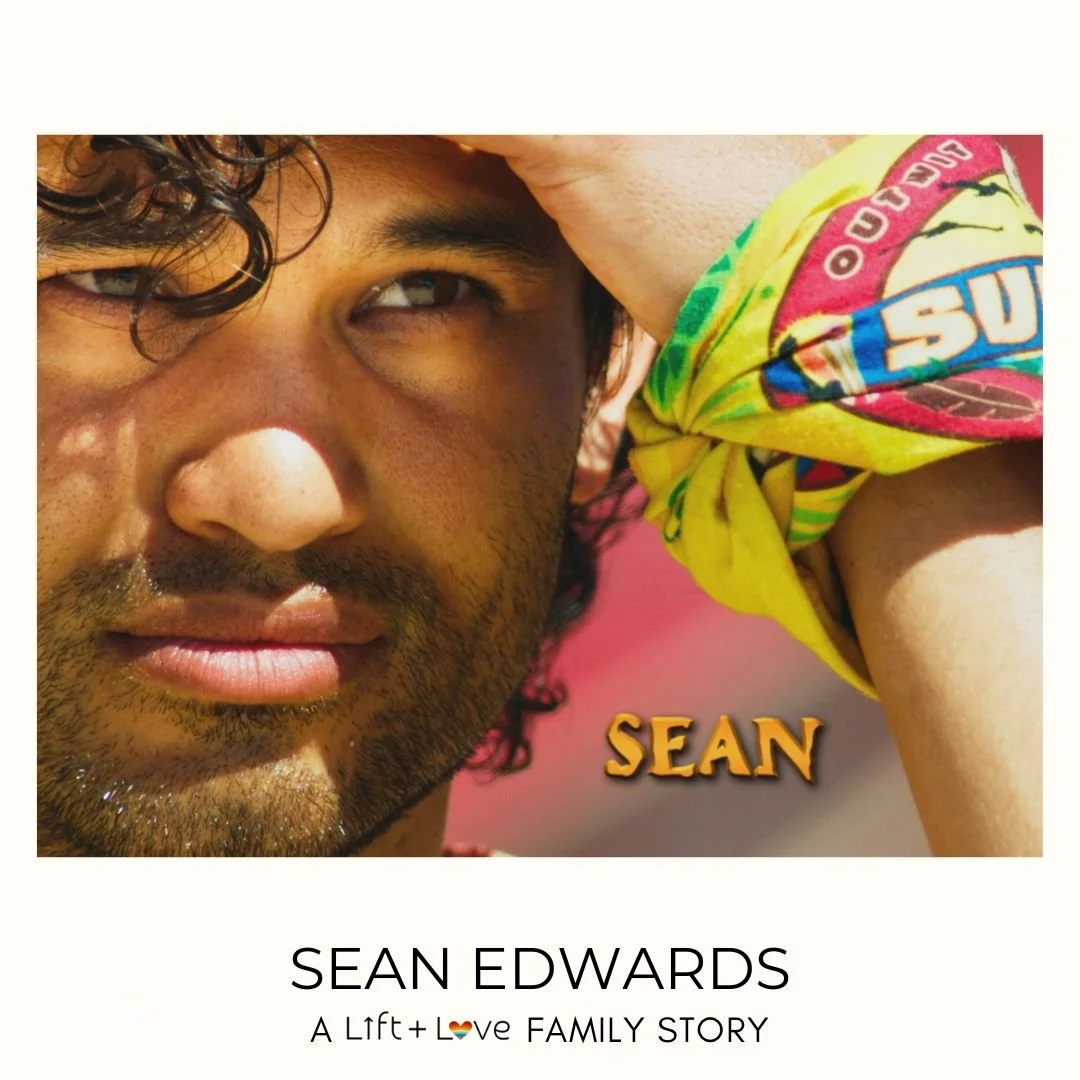
Christian was raised being called Sean, his first given name, but now prefers to go by his middle name as a bit of a rebranding since he’s come to a healthier place of identity. From the time Christian was a young child, Brinda noticed many similarities between him and his Uncle Kevin – physical and social mannerisms. She says that at the time, she started to worry he might also be gay. But her husband, John, assured her she shouldn’t worry about this. The thought lingered in her heart though, and over the years of raising Christian, the Bairs considered the ways they could do better so that if he were to come out one day, he would be supported in a way that Kevin initially had not been.
There were times through his adolescence in which Brinda would point blank ask her son, “Are you gay?” and Christian would deny it. But shortly before his 18th birthday, his parents found something that confirmed their premonitions were true. They took their son to dinner, and at this point, Christian finally felt ready to come out and say yes, he was gay. John and Brinda asked if he was considering sticking close to the gospel and living a celibate life, and he also confirmed that was the plan – that he still intended to serve a mission because he had a strong testimony.
On his 18th birthday just over a year ago, Christian came out publicly on social media. He’d already opened up to some close friends. Soon after, his parents returned from a trip to find Christian curled up, binge listening to episodes of Charlie Bird’s and Ben Schilaty’s “Questions from the Closet” podcast. He was stuck on an episode about whether or not gay people should serve missions. Sobbing, Christian said, “Mom, I can’t live my life alone.” Brinda says, “I could see and hear the anguish in his voice. He was our kid who had always wanted a big family – lots of kids, including a daughter he wanted to name Lilia. He loves people, family, and all his little cousins idolize him. I realized then the church path wouldn’t be his path.”
“A gentle, sweet soul who everyone is drawn to,” Brinda says Christian had always loved cars – “fancy cars, all the ins and outs of cars. He loves hiking and the outdoors, and is a very creative child.” Brinda continues, “One time I came home and he had taken a glue stick and cut paper into little fringe strips and glued it all around the border of his door – to liven up his space.” While Brinda had some experience having a gay brother, and lifelong inclinations about her own son’s orientation, it still took her some time to acclimate to being the kind of support Christian needed her to be. She told him, “This is my first time having a gay child, and your first time having parents of a gay child, so please tell us when we say or do something that might be hurtful.” She strongly feels that maintaining the parent-child relationship is “much more important than being right.”
As Christian eventually stepped away from church activity (though held on to his belief in Heavenly Father and Jesus Christ), his parents remained dedicated to helping him feel of their love. “We both realize our place as parents is to love him as he figures out his path and journey.” But John and Brinda have each processed their own spiritual journeys differently. Brinda says, “John’s never struggled with his testimony or knowing God loves all his children, and that things will work out. I think it’s been hard for him that I have struggled. For me, I wanted the doctrine to spell things out for me.”
Brinda had already had a more substantial faith crisis when her brother came out, knowing that Kevin “was such a good, amazing man.” Watching him painfully step away from a church he’d once loved to eventually becoming atheist, she would wonder, “Why would God do this to him?” Now, she is able to separate church doctrine from the teachings of Jesus Christ. “Some of the doctrine I don’t understand or agree with, but I can move forward in the Church of Jesus Christ of Latter-Day Saints because even though I don’t understand everything, it is my path forward. I’ve realized I can put my faith in my Heavenly Father and Jesus that everything is going to work out, and that there is further light and knowledge to come. I try to keep an open mind. I do know God loves His queer children and has a path for them. My goal with all my children and friends who come to me in similar circumstances seeking advice is to encourage them to stay close to Christ, whether or not they stay in the church.” The Bair’s oldest child, daughter Kaity – 22, has also stepped away from the church, while their youngest son, Jaden – 17, “sticks close to the gospel.” Brinda says, “I respect my kids’ agency, but keeping them close to Christ is my goal.”
Christian has been dating, and has even brought a few boyfriends home. After attending a semester of college in St. George, he moved to Spokane, WA, where he lives with another of Brinda’s brothers and his family. Christian works as a tour guide for a zip line company, and would love to eventually open up a business of his own. Brinda is grateful all of their close relatives fully support and affirm Christian. She says he would love to find a new faith community, though he has tried and felt rejected (for being gay) before when he explored a new religion in St. George. “When he comes back home in November, I told him I’d help him church shop,” says his mom, who calls Lehi, UT home. Brinda desperately wishes things would change to where people like her son felt comfortable returning to their religious roots. She says, “I wish leadership knew we’re hurting. We’re losing so many amazing individuals and families over the treatment of our LGBTQ brothers and sisters.”
Christian confirms these sentiments, saying, "My relationship with the church is damaged. I feel like queer members try and build bridges and the leadership actively tears down those bridges. I would go back but I'm insanely hesitant since church teachings are what caused so much harm to my mental well-being. They really leave no room to be different, so when the cold hard truth turned out to be that I wasn't a straight boy who would easily marry in the temple, I felt really broken. It makes me feel like a dog who trusts his owner and wants to go running to him when he gets home, but then gets kicked or something because the owner thinks he did something wrong. You can see how confused the dog is, and eventually after enough kicks the dog doesn't want to be around the owner anymore, although the dog is still looking to be loved."
Christian is taking positive, healthy steps to fully embrace his own identity, as evident with his name change. He says, "With the switch to my middle name, I like it because my parents never used it negatively, it already had positive connotations with me. It's never carried the burden of being expected to be a certain person, or turn out a certain way - in the way that I felt ‘Sean’ carried that burden… Christian is cool because it represents something by its own definition (Christianity, Christ, etc) that in a lot of ways was good to me, and I identify with, but also in some ways hurt me a lot as well. So I find for me it's empowering to reclaim it and let that word define me but also let me define it myself: as someone who has a lot to live for and love for, someone who strives to be kind, someone who is queer, and someone who has overcome various different expectations and trials. And my favorite part is that this name was a gift from my mom and dad who have always loved me, and have done a really good job at showing it."
Brinda is immensely grateful for all she’s learned from her brother Kevin, and his husband of eight years, Keenan, who both now serve as positive role models for her own son. When they passed through town shortly after he had come out, their first stop and hug was directly to Christian, to show him support.
Back when the Respect for Marriage Act passed in July of this year, Kevin called Brinda, very surprised, because he knew some LDS Republicans had voted in favor of it. He told Brinda he doesn't follow religion/Christianity's view on LGBTQ issues because it's too painful and draining, but wondered if the culture within the LDS church might be shifting to more favorable views toward LGBTQ people. Brinda reflected on this and has now come to acknowledge, “While it has felt really slow to me, I realized the culture is changing! It's a completely different culture within the church now than it was 15 years ago when Kevin came out. I do have to say, most people in our wards with Kevin and with Christian have been very wonderful and supportive. The people are welcoming. The policies are not. Looking back on her journey of loving and learning from both Kevin and Christian, Brinda says that like her own mother, she wouldn’t trade being the mother of a gay son for anything due to “the things I’ve learned and the testimony I’ve gained of the Atonement and the importance of focusing on the Savior in our lives.” When other parents share with her now that a child has just come out, Brinda tells them, “You’re on a beautiful journey. A hard, beautiful journey. You’ll learn to love, and you’ll grow in ways you never thought possible and someday look back and see what a beautiful blessing it truly is to have a gay child.”




THE JARRIE JOHNS FAMILY
Jarrie Johns of Erie, CO says she first sensed her youngest child, Kaden, might be gay when he was in the first grade. “He didn’t seem to have a lot of guy friends, and gravitated more toward traditionally girl things. He was artistic, sensitive.” When she mentioned this to friends and her husband, Devin, they brushed it aside, and Jarrie herself often tried to convince herself it wasn’t true – even baiting Kaden with frequent “What girl do you have a crush on?” kinds of questions, hoping he’d procure an answer. But he didn’t. And so the thought her son was likely gay lingered in Jarrie’s mind as she watched him grow…
Jarrie Johns of Erie, CO says she first sensed her youngest child, Kaden, might be gay when he was in the first grade. “He didn’t seem to have a lot of guy friends, and gravitated more toward traditionally girl things. He was artistic, sensitive.” When she mentioned this to friends and her husband, Devin, they brushed it aside, and Jarrie herself often tried to convince herself it wasn’t true – even baiting Kaden with frequent “What girl do you have a crush on?” kinds of questions, hoping he’d procure an answer. But he didn’t. And so the thought her son was likely gay lingered in Jarrie’s mind as she watched him grow.
Six years later, Jarrie got a call from a friend whose child had told them Kaden had been self-harming. He was now in the seventh grade. A dive-right-in kind of person, Jarrie says she and Devin pulled Kaden aside immediately and point blank asked him if he was gay. He replied yes, and said he had been harboring bad thoughts about himself for years, due to things he’d been taught at church. He had been too scared to let his parents know his secret.
Jarrie regrets that Kaden felt forced to come out, though she is grateful it happened when it did so they could prevent further harm. Worried about their son’s mental health, Devin and Jarrie put Kaden in therapy. While Jarrie’s intent was to help Kaden heal from some of his negative thoughts, because his parents took him to an LDS therapist, Kaden believed it was some sort of gay conversion attempt. They admit communication about him being gay wasn’t frequent around the dinner table for about a year, so there were many misperceptions occurring.
Devin and Jarrie started seeing the same therapist, who was concerned Devin might not be supporting his son in the way Kaden needed him to. Because of her earlier inclinations, it was easier for Jarrie to accept her son and this new course they’d be treading, but for Devin, it was harder. At first, Devin didn’t believe his son could have been born gay. It was a struggle, until one night, Jarrie asked her husband, “Devin, if you were forced to have a relationship with a man, could you? Could you just flip on a switch and become gay?” Devin’s instinctual answer revealed all he needed to know, and in that instant, it was as if a light switch in him had been flipped, and he realized – this was not something his son had chosen or could change.
With both parents now on board to pursue all the help Kaden needed as he grappled with his mental health, the family adjusted to a new normal. After Kaden came out to his parents, it didn’t take long for him to attend what would be his last church meeting, as he walked out of a class one day bawling, with a copy of the Family Proclamation in his hands. He crumpled it up in the church parking lot, and Jarrie knew he wouldn’t be going back.
For Jarrie, it was a slower process to find her footing and what worked best for her spiritually. While the Johns did not initially tell their ward members why their son had left, and he never came out publicly in an official way, people started to sense things. Jarrie says some of the kids tried to reach out to him, but often Kaden felt like it was only because he was “a project” or they were told to. Before he came out to his parents, Kaden had hung out with LDS kids, but after, he felt like he didn’t fit in and let those relationships go. At the same time, Jarrie says allowing him to step away from the church, and lean into his many friendships and influences in the dance community he was a part of is what “saved his life. They became really close and he felt less judged and could relate better. They became his support group.”
Over a five-year span after Kaden’s seventh grade reveal, Jarrie’s own health took a dramatic turn for the worse, due to trauma and stress she was feeling as a result of cognitive dissonance. At first, she and Devin approached their local church leadership seeking resources, but they were surprised to find there was little out there besides what's available on the church website. As other parents of LGBTQ approached her for advice, wanting the same things, Jarrie became frustrated. But each of these conversations she had with like-minded affirming friends felt like a breath of fresh air. She turned to podcasts and support groups like Facebook’s I’ll Walk With You which she says “became my church.”
Devin eventually recognized he needed to support Jarrie where she was at so she could live authentically within her newfound belief system. Devin continues to attend church, where he now teaches the 17-year-olds and tries to be an affirming influence for any who may need him to be. Jarrie and their kids have all stepped away. As Devin and Jarrie have both honored each other’s unique paths, they’ve found their marriage has actually grown stronger. Jarrie says, “Everyone’s different – that’s what’s beautiful about it. We learn through each other’s struggles and stories. Others sharing their experiences have helped me so much.”
Kaden – 18, has three older siblings: Morgan – 20, Paige – 25, and Kailer – 23, who will be married this weekend to Brooke. Kaden just moved to New York to enter his freshman year at SUNY Purchase where he is pursuing a BFA in dance. He is grateful for his family’s support, and that they have also shown support to his sister right above him, Morgan, who also identifies as LGBTQ+ and is a gifted artist. A talented songwriter, Morgan has considered going into musical therapy. Jarrie says, “She plays four to five different instruments and can write a song in minutes. It’s incredible.”
Around the time Kaden came out, Morgan – who was 15 at the time -- was also struggling with mental health issues. Suffering from debilitating anxiety, she was in and out of mental facilities and ultimately left high school to get her GED. Around the same time Kaden admitted he was gay, Morgan told her parents she was bisexual – something that surprised Jarrie as, “Out of all my kids, she was the most boy crazy. So when she came out, it was a little hard for us to understand.” Morgan ended up moving to Provo, where she works at a pizza place. She now identifies as pansexual. Jarrie says, “We’re learning to navigate that and all that comes with it.” Morgan enjoys the Provo scene where she has found many affirming friends and even found herself unexpectedly moving into an apartment with other queer roommates. But she admits there have been instances of people in town yelling nasty words at her when she’s been on dates with other females.
Looking back, Morgan says she suffered from a lot of internalized homophobia that caused anxiety, feeling she could never be herself or wasn’t good enough for anyone to love. Jarrie regrets, “We didn’t support her the way she needed to be supported. We’ll always regret it – we didn’t know. She still struggles, but is doing better.”
“Morgan was the child I always thought would probably go on a mission, besides Kaden – who would say his prayers faithfully and bear his testimony every week. Now I realize he was probably hoping for a miracle. Morgan has such a sweet spirit and would probably go back to church if they changed their stance on LGBTQ. Right now, she doesn’t feel welcome there.”
Jarrie feels hope that a friend in a nearby stake recently got called to be her stake’s “Resource Specialist for LGBTQ,” a first for their area. Jarrie appreciates this progress, and at the same time, also knows two families in her area who’ve left the church in the past month over LGBTQ issues. “It’s too much.”
Last year during Pride month, Jarrie posted on her personal and community pages that she would place Pride flags on the porches of anyone who requested one. She received many messages of gratitude and support, including a thank you from a queer couple down the street. She continued the tradition this year, placing a pot of flags on her porch in June, that anyone could come take from.
Having once believed there was only one right way to do things, Jarrie is now careful to try not to harm anyone’s testimony, while she encourages people to find their own paths. She also implores others to, “Follow your kids’ leads. With Kaden, letting him carve his own path is what saved his life. Don’t assume you know what’s best for everyone else. Not being gay or queer ourselves, it’s so hard to know what others are experiencing.”
She continues, “For me, having two queer children – as hard as it was once they first came out – has been one of the biggest blessings in our lives. I used to view everything in a box, letter of the law, that there was one way to do things – which looking back actually drew a wedge between my older kids and I. I’ve since had to work on those relationships. But having Kaden and Morgan come out has opened my eyes to view people the way Heavenly Father does – as the perfect people they are, no matter their sexuality, color of their skin -- no matter what. Everyone deserves to live an authentic life, just as straight people do. I love my kids to pieces. They’re all so unique, carving their own paths. It makes me so happy to see them figuring out who they authentically are.”
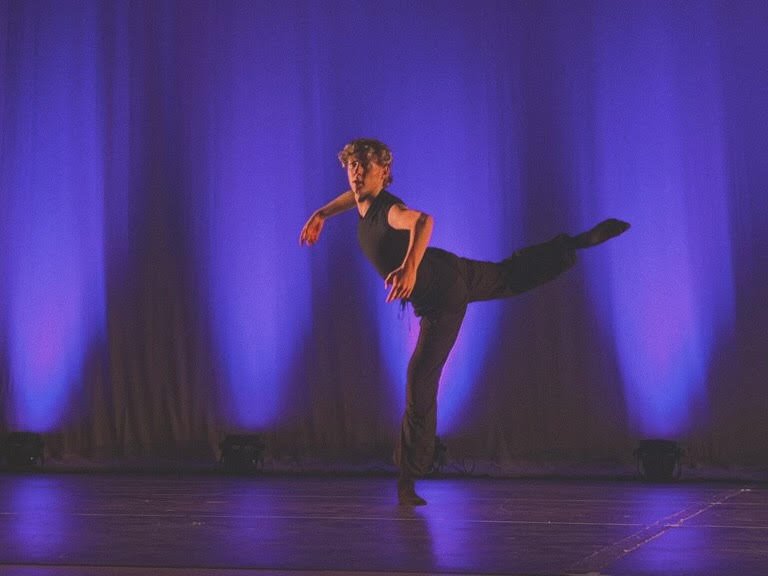

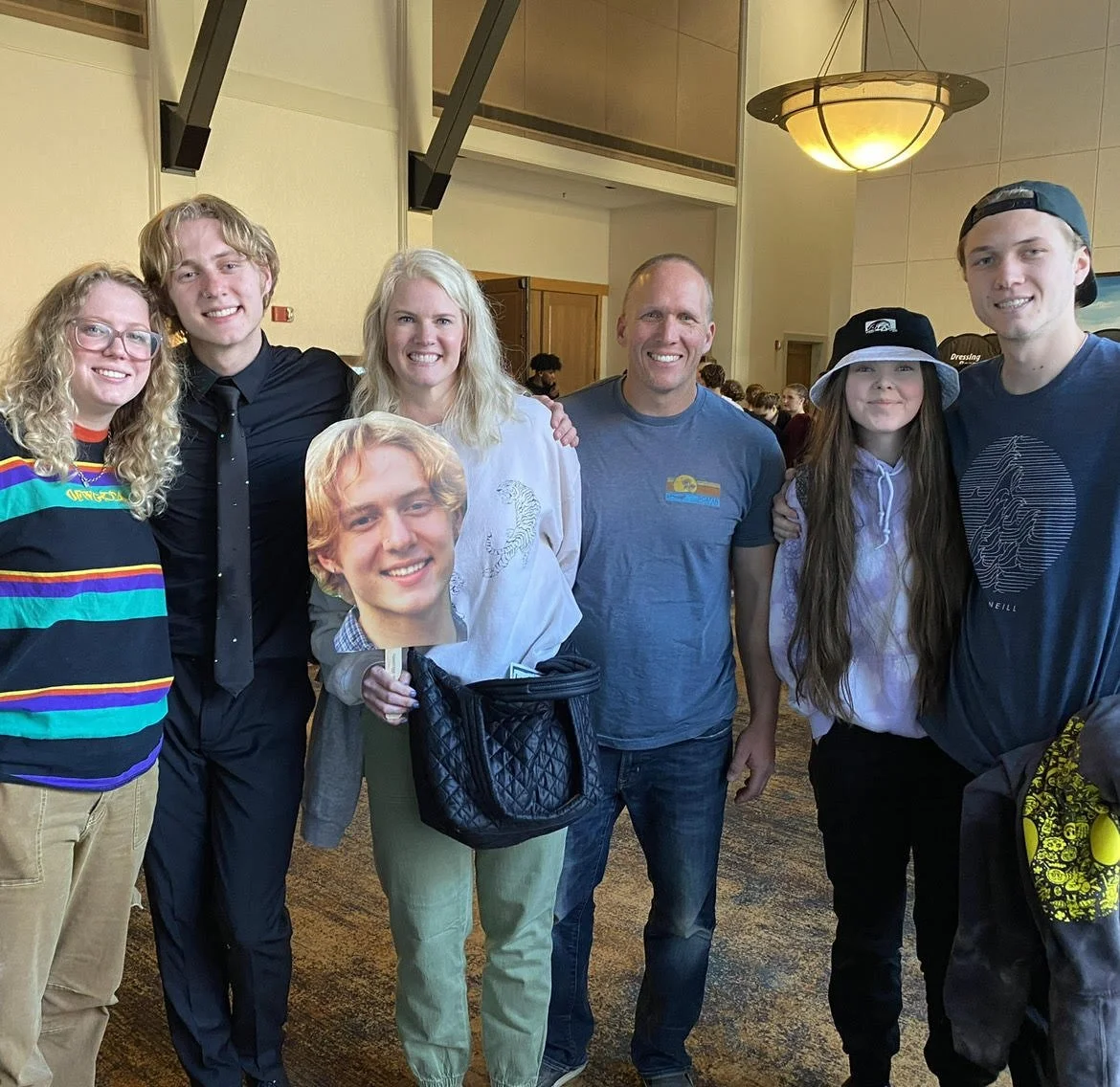
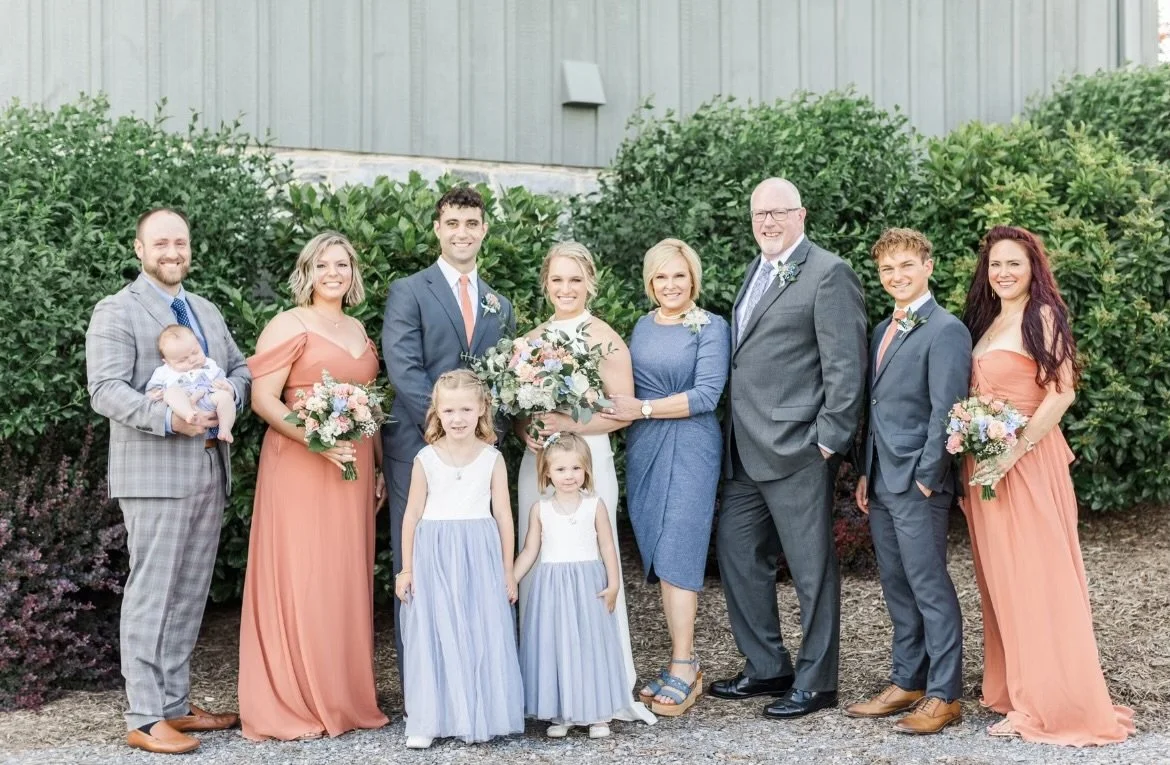
THE BRODERICK FAMILY
On a crisp March day in 2020, Joni Broderick boarded a plane near her Washington D.C.-area home to fly to Salt Lake City, UT. She was dressed and ready to go to the temple, the first scheduled activity of a North Star conference she had signed up to attend in her efforts to learn more about how she could support her son, Kyle. Kyle had come out as gay just six months prior. As Joni left her hotel to begin driving to the Jordan River Temple, she got a call from Kyle, who was 45 minutes away at BYU, where he was a sophomore…
On a crisp March day in 2020, Joni Broderick boarded a plane near her Washington D.C.-area home to fly to Salt Lake City, UT. She was dressed and ready to go to the temple, the first scheduled activity of a North Star conference she had signed up to attend in her efforts to learn more about how she could support her son, Kyle. Kyle had come out as gay just six months prior. As Joni left her hotel to begin driving to the Jordan River Temple, she got a call from Kyle, who was 45 minutes away at BYU, where he was a sophomore. He was upset. He explained that BYU had just made an honor code “clarification” that reiterated that gay students could NOT date or show affection, a reversal from two weeks prior when students like him had been led to believe that all dating would be treated the same. Kyle was joining hundreds of other like-minded students on their way to campus for a rally to express sadness in the change, and to support one another at a really difficult time.
Joni asked Kyle, “What can I do?” He told her the rally would be in 45 minutes, the same time she was expected to be at the temple. Joni sat in her car, wrestling with the notion, “I came here to go to North Star to learn how I can be there for Kyle. I should go to the temple; obviously that’s the right thing to do.” But then the Spirit very strongly told her, “You need to go support Kyle.” She could not deny the prompting. She turned toward Provo, stopping along the way at a Walgreens where she bought posterboard and markers. In the trunk of her car, she made signs – one which said, “Moms Love Boldly,” and another said “Free Mom Hugs.”
Joni pulled up to the school that both she and her husband had once attended. In fact, they had done “all the things,” says Joni. “We grew up in Utah Valley, Phil went on a mission, we got married in the temple, served in all the leadership callings. We have pioneer heritage, raised all our kids in the church, taught seminary, we were the ‘all in’ kind of family. If you had looked down at the pews of our congregation when we were raising our young kids, and told me that WE would be an LGBTQ family, I would have never believed it! Not the Brodericks—that just didn’t fit the vision or plan that is mapped out for you when you’re a very active Latter-Day Saint family. And now, here I was, about to walk across the BYU campus holding a huge ‘FREE MOM HUGS’ ally sign.”
Setting foot on campus for the rally, Joni said, “I just felt like I stuck out like a sore thumb, because I’d never done this before. It was out of my comfort zone, for sure, but because of my son, I was willing to get comfortable with the uncomfortable. I was still very new in all this.” It had only been a few months since Kyle had returned home from his mission in Mozambique, Africa, after coming out to his parents over a voice recording sent via email. While this was hard news to receive with him being clear across the world, they wanted to make sure he was all right, but also tried to assure him that he could still be a missionary AND also be gay. But Kyle had been diligently praying and seeking his own answers, and he knew he needed to come home to figure things out for himself; he just didn’t feel like he could do that while also being a missionary in Africa. The Brodericks heeded their stake president’s advice to welcome their son home with signs and hugs, like any missionary parent would do -- and they did. Joni and Phil expected he’d want to be at home for awhile, but almost immediately, Kyle returned to BYU. And Joni turned to every resource she could find to start educating herself about a topic she admits she had clearly misunderstood until it dealt with her family -- her Kyle. “Everything I was taught about gay people didn’t fit how I knew my son,” she said. “He’s such a good, kind, loving, accepting person. I finally realized that if someone like him was gay, then everything I’d been led to believe from the past was just not accurate.”
The Brodericks were surprised to learn this about their son while he was on his mission, which played into the reactions they had. Later, they felt terrible learning that this was something he’d harbored quietly on his own in Africa, surrounded by a homophobic companion, and in a very remote area far from his mission president who might have provided him some support. “It was heart wrenching when we heard the pain and anguish in his voice of that recording.” Joni admits that in the beginning, she and Phil could have initially handled things better. Expressions that Kyle was being tested by Satan as a missionary, and sending articles from church leaders were NOT helpful things to do. Some things that they did right, Joni says, included immediately expressing unconditional love, and believing what he had to say. “We also conveyed trust in him making the decision to come home for himself, and that he knew through his own prayers and answers what was best for him. Then we just gave him all the total family support we could.”
Kyle is the youngest in his family and the only son, which Joni says, “automatically comes with many bonuses! His sisters (Nicole, Courtney & Sydney) love him like no other, and he is definitely a favorite amongst all the family, including his brothers-in-law, Chris and Brandon, and nieces and nephews, Rylie, Aidan, and Jax. Everyone loves Kyle.” Joni says he has always been a “super smart, funny, involved and active in everything at church and school kind of kid. He was popular, has many friends, and always has been a natural showman. Nobody makes us laugh harder than Kyle! He’s very fun to be around. Our whole family has been on this journey. It’s not just Kyle’s -- it’s all of ours, too, and we are in this together with him as a family.”
Kyle had told his BYU bishop that he was gay when he submitted his mission papers. Unlike some of his friends in similar situations, whose bishops had held their papers and delayed their missions over this, Kyle’s bishop was supportive. Kyle had also told a couple affirming friends at BYU. Joni regrets that she hadn’t created a safe enough space at home for Kyle to have felt comfortable sharing this part of himself with her. But now, heeding Kyle’s phone call and her prompting, Joni arrived at BYU, ready to make up for it.
Joni approached the rally and stood in the middle of the throngs of students with her sign, looking for Kyle. She hadn’t seen him for three months, since he had been home for Christmas. Suddenly, she saw him running to her with a huge hug. That was the moment a photographer from the Salt Lake Tribune snapped a photo that would later run with a story about the reversal of the Honor Code. https://www.sltrib.com/news/education/2020/03/06/hundreds-byu-students/?fbclid=IwAR0jH1bR3MSN5vkl9jNEtmRAeg6NX0ZX_KuJ_VCn0axo7bVe0B8y2KvtPIA
Joni squeezed her son tightly, this being one of only a handful of days she’d spent with him since he’d come out and come home from Africa. Behind Kyle, Joni spotted another person standing patiently, waiting for their turn for a hug -- a transgender individual who stood at 6’2 to Joni’s 5’2 frame. It was Joni’s first time ever seeing a trans person, and at the time, she felt very out of her comfort zone. But she knew what she was there to do. After releasing Kyle, she asked them, “Would you like a hug?” They nodded. As Joni embraced them, she felt “the most overwhelming love I’d ever felt in my life. The love was not mine – it was the love of the Savior. I’ll never forget it! I was the vehicle for His love for this one specific person. This was one of my first major transformative experiences.” Many students at the protest took Joni up on her offer and hugs were plentiful. “I had more than one student tell me, ‘You don’t know how much this means’,” she says.
Phil, too, has felt changed by all he has learned from the LGBTQ space. He says, “While every LDS-LGBTQ story is unique and personal, there are several consistent themes: Most seem to realize they are attracted to the same gender around ages 9-11. One thing they strongly believe is that this must be kept a secret. As they get older, they feel shame… Many try to bargain with God that if they do certain things (pray hard, study scriptures, go to seminary, go on a mission, etc.) that God will take this away from them… Somehow, we as a church need to help these LGBTQ members not feel shame, fear, depression, lack of belonging, etc. If they could come out earlier and know that they would be accepted and loved, their young lives would be so much better.We, as a church, as ward members or as leaders -- none of us have ever received helpful guidance or been educated or received any training on how we can better minister to our LGBT members. Listening to other people’s experiences and learning from them is one way we can do better.”
Joni currently teaches the Young Women in her ward. She is more aware now of how certain lessons can be hard for some youth and cause hurt and feelings of shame. During what could be difficult lessons on the Family Proclamation or temples, she makes it clear to the girls that there may be different paths for some, and the most important thing is to know they are loved immensely by their Heavenly Parents and to stay close to the Savior, no matter their journey. “They are not flawed, but perfectly created by a loving God.” Joni says she has been blessed by having several youth and adults share with her their personal feelings and journey, which she considers an honor -- that they trust her enough to be so vulnerable.
About one year after Kyle came out, Phil and Joni compiled an essay called “What We Have Learned” and gave it to their stake president and bishop, along with Richard Ostler’s Listen, Learn & Love and Ben Schilaty’s, A Walk In My Shoes books. The Brodericks expressed their desire to be a resource to any who might need it, as they had felt so alone at the beginning of their journey. Joni says, “It’s so important to know there are many LGBTQ families out there and you are not alone. There are resources and support for you.”
Kyle graduated from BYU in Information Systems this past April and moved to Arlington, VA, where he works as a software engineer. His parents and family love having him back and he enjoys being around his family and having their support. Kyle has since stepped away from the church, “frankly, because there’s just not a space for LGBTQ members in the church right now”, Joni says. “He knows he’s not going to marry a girl, and he’s not the type of person to spend his whole life alone. It’s a tragic and impossible situation that is asked of our LGBTQ members… choose your faith tradition that you have known and embraced your whole life, but you must be alone with no hope of love, companionship, and family. Or, choose to fall in love with someone, get married, share your life and learn the joys of having a companion to go through life with, raise a family with. But then, you will have to give up your faith tradition because there is not a place for you in the church.”
During the North Star weekend, Joni was immensely grateful to meet a new friend, Becky Macintosh (author of Love Boldly), who invited her to have lunch, and let her ask a million questions on how to navigate this new experience, and also just let her sit and cry. Becky promised that things would get better and to just love her son. Becky also told her she didn’t have to choose between her faith and her son – that she could love and embrace both. When Joni finished the conference, she did go to the temple – fasting, praying, and searching for answers that she had pleaded and yearned for for six months. “The best advice I’ve gotten was straight from God -- no middle man. He said to me, ‘You don’t need to worry about this. I’m in control here. I know Kyle’s gay, I created him perfectly that way. I love Kyle. I have a plan for him. I love you. I love your family and you’re all going to be okay. You don’t need to worry about this anymore’.” Joni left that day no longer worried, but confident in her new personal truth. “I had my own experience like Joseph had: I knew it, and I knew God knew it, and I couldn’t deny it.”
“Now when I hear messages that are often hurtful – they rattle me a little, but they don’t hurt or make me question like they would have. I strongly believe God has a plan for all these amazing LGBTQ kids. The church, as an organization, just doesn’t know that plan yet. But God does; it’s part of his divine purpose for our mortal experience and growth. My hope is in the 9th Article of Faith – there are still many great and important things yet to be revealed.”
Joni continues, “I am so grateful Kyle is my son. I’m so grateful he’s gay. Three years ago, I wouldn’t have said that. Three years ago, I was huddled under my covers crying and worried what his future would look like, and what would become of our eternal family? But that day at the BYU rally, and my personal experience of hearing God in the temple, my heart was taken out of my chest and I was given a new one because of this journey. It’s because Kyle is gay that I’ve been blessed to have experiences that I otherwise would not have had. It is because Kyle is gay that I’ve had to be on my knees in prayer and have grown a deeper relationship with my Savior than I have ever known. I consider being the mother of a gay son one of my greatest blessings. I often feel that if I am to have salvation, it will be because of the lessons I have learned by being his mother.”


THE ROGERS FAMILY
Lynell and John Rogers first met in 1998, at a single adult church activity in Washington state. John was a returned missionary who had served in Arizona and Lynell was a recent convert who had just returned from a mission to Minnesota that week. After a very short engagement, they were married in the Portland Oregon Temple. Today they have been married for over 25 years and have four daughters, Kendall (age 23), WakeLee “Wake” (age 14), Stevie (age 12), and Hero (age 7).
Oldest daughter Kendall (she/her) was always a bit of an overachiever - she finished the Personal Progress program as a Beehive, graduated from high school with an associates degree at 16 (and her Bachelor degree at age 18) and usually has multiple ward & stake callings. “Kendall has always had a strong sense of justice. People feel drawn to her and many have been comfortable coming out to her over the years. She will stand up for anyone and she will speak up if something isn’t right. She has made our family more aware of how LGBTQ people are hurting - not because of who they are, but because of how people treat them”.
John and Lynell had “mostly been around an attitude (among many church members) of ‘well, the doctrine is the doctrine, so take it or leave it’ and it seemed like that was how it had to be,” says Lynell. “I did feel sorry for people & families who were hurting because of policy or being personally mistreated by other members, but I felt like I had a responsibility, especially in the capacity of leadership callings, to ‘tell it like it is’ when it came to doctrine and policy, with kind of a ‘throwing up my hands’ attitude, like ‘sorry - it’s out if my control!’… because it felt like it was out of my control. What could I do? I had an obligation to ‘teach the doctrine’.”
During her teenage years, Kendall had many conversations with her parents, patiently trying to help them understand the point of view of LGBTQ people. Lynell & John had many common questions like, “Why do LGBTQ people even have to come out? It’s nobody’s business who they are attracted to!” and “Why do they have to put gay characters in every tv show now?”
It wasn’t until John & Lynell actually got to know more LGBTQ people in their area that their hearts began to open up. Kendall was involved in the local single adult branch after college, and as the family got to know many of those individuals, John and Lynell began to realize that there were a lot more LGBTQ people in the area than they had assumed. However, “most of were afraid to come out to their parents, church members, employers, etc. It didn’t seem right.”
One person who did come out publicly was family friend Bethany, who had been in the young women program along with Kendall, while Lynell was serving as Young Women President in their ward. “After that, I started thinking a lot about what I had said during those years that might have been insensitive to her and the other youth who I had just assumed were all straight & cisgender”
John and Lynell’s attitudes began to change over time. Instead of continuing to be upset about “supposedly being inconvenienced by LGBTQ people” or some perceived social agenda, “we became more concerned about actual people. Not lumped together as a faceless group, but as individuals that we knew and cared about. We started worrying about things like, is anyone sitting alone? Does everyone have a safe place to go tonight? Who doesn't have a family to go home to for the holidays? When you focus on people and not making assumptions about entire groups of people, you start to see what is actually going on”
Kendall was called to serve a full-time proselyting mission in Salt Lake City, Utah. While serving in SLC, she covered many wards and stakes, working very briefly with a certain ward Relief Society President by the name of Allison Dayton (founder of the Lift+Love Foundation). Kendall began following Lift+Love on social media.
Meanwhile, back in Washington state, stay-at-home mom Lynell had followed a prompting to return to college. She attended BYU-I online through the PathwayConnect program but had no real plan for a major. Ultimately, she felt impressed to get a degree in Web Design & Development (computer programming with an emphasis in design for websites & social media). “Programming was very difficult for me. I had to take one especially tough class three times before I passed it! But I couldn’t give up, because again & again I felt that there was a specific job that the Lord wanted me to do that was very important to Him and would impact many people. I couldn’t fathom that something I would be able to do could possibly be that impactful, but if it was that important to the Lord, there was no way I was going to give up”. After graduation, Lynell applied for some jobs that didn’t go anywhere and did some freelance work. Every day she wondered - what was this important job she’d felt inspired about, and how would she find it?
Shortly after Kendall returned from her mission, she moved to the East Coast for work. One day, she called Lynell with important news. “Mom,” she said excitedly, “stop whatever you’re doing! This is more important!”. Kendall told Lynell about Allison and Lift+Love. “I just saw online that Lift+Love needs someone to help with social media, and you need to contact her RIGHT NOW!” Allison and Lynell soon met over Zoom and hit it off. “I immediately knew the work Allison was doing with Lift+Love was inspired by the Lord. I don’t say that lightly. Her personal experiences with her brother and her son put her in a unique position to be able to help LGBTQ Latter-day Saints and their families who need resources and support, but aren’t sure where they can find them. She sees the (sometimes awkward) space where many parents are - they love the Lord, and they are faithful members of the church, but they also know that their children are beloved of God - that they aren’t bad and they weren’t created by mistake. It can be a difficult place to navigate, especially when you are first starting out. I wanted to help, too”
Lynell has been working remotely for Lift+Love since 2021, managing the website and social media accounts. “I feel really lucky to be able to use my education to be able to contribute in some way. Every single day, I am excited to do this work”
Working remotely from Washington state, Lynell was able to do her work for Lift+Love through video calls, texts, and other online resources without ever being in the same room as Allison. “The first time I met Allison and Jenie (Hunter) in person was at the 2022 Lift+Love Mother’s Retreat in Utah. I had gone to the retreat just to help, but it was so great to meet many of the women I’d admired, especially those from the Lift+Love Family stories. I did feel a bit of ‘imposter syndrome’ because I was asked many times by the attendees about my own queer kid(s) - which was to be expected at a retreat for moms of LGBTQ kids”, Lynell realizes, “but I felt a little strange for being there when I didn’t have any queer kids myself. Which is funny to me now, because I actually DID have queer kids, but I just didn’t know it at the time”.
John had also felt prompted to learn more about the LGBTQ community. He read a lot of books and articles, and instead of listening to his usual sports radio or political podcasts, he started listening to the “Questions from the Closet” podcast. “For me, listening to Charlie Bird and Ben Schilaty explain things helped a lot. I instantly respected them both, and I found it very easy to understand things that I couldn’t understand before, through their perspective.” John began making small changes, like adding his pronouns to his email signature at work and putting LGBTQ-affirming stickers on his water bottles.
Between John’s research and Lynell’s work at Lift+Love, they found themselves discussing LGBTQ issues on a daily basis, from an ally perspective. They would excitedly share things they had learned and discuss questions like, “If one of our kids were LGBTQ, how would we want to handle it?” “It gave us many opportunities to talk things through and get on the same page. We didn’t have the urgency of having a ‘horse in the race’ like many parents do when they’re first navigating these issues, so we were able to be more objective than we might have been if we'd had a kid come out to us first.”
While Kendall (she/her, age 22 at the time) was visiting her family for Easter a few months ago, she and her sister Wake (she/her, age 13 at that time) gave their parents Easter eggs that contained a picture. The picture was a screenshot from the NSYNC ‘Bye Bye Bye’ video, with three of the singer's faces replaced by the (hilariously photoshopped-on) faces of Kendall, Wake, and family friend Bethany. The caption read “Bi Bi Bi.” “I didn’t get it,” says Lynell, “I thought they were teasing me because someone recently told me that I seemed like the kind of person who would like boy bands. So I’m like, “That’s great, guys. Hilarious.” Then (ironically) I went right back to working on something I was doing for Lift+Love, without giving it any thought. Kendall and Wake just sat there, staring. It finally started to dawn on me, and I said, ‘Wait, are you making fun of me, or are you trying to say something?’”
They were trying to say something...
As they had planned together, Kendall and Wake both came out to their parents as bisexual (Kendall now identifies as queer). John and Lynell replied that this was fine with them, that they love and support them, etc. John says, “We feel like we were very fortunate because we had been prepared and we were able to answer sincerely in a supportive way. I don’t know exactly what our initial responses would have been if the girls had come out much earlier, but there definitely would have been fear and concern on our end. Today, our only concerns are that they are safe & happy.”
Kendall and Wake didn’t come out publicly right away, telling only a few close friends and continuing to attend the Lift+Love online support groups for young adults & youth. It wasn’t until the last weekend in August 2022 that both sisters decided to come out together (from opposite sides of the country) to their other relatives and the general public. Wake (13) is an award-winning thespian, who says she came out because she was “tired of trying to hide” who she is. “When I was with my friends who knew, like at theater camp, I could relax and be happy. The rest of the time, I was so stressed and could never feel comfortable being myself.”
John and Lynell have received mixed reactions from people about the news that two of their daughters are queer. “A few people have expressed surprise that we ‘allow’ our kids to be bisexual, since we are active members of the Church of Jesus Christ of Latter-day Saints. We didn’t ‘allow’ it, that is how they were created. It honestly never occurred to us to try to change who they are. They don’t need to change. It is NOT a sin to be LGBTQ.”
“Our kids are not stereotypes or characters on a tv show. They haven’t ‘fallen in with the wrong crowd’. They are not confused. When they say that this is how they were created, and have always been, we believe them. Our daughters are respected for their intelligence, kindness, and leadership skills. If you respected them before you found out they were LGBTQ, that shouldn’t change. They haven’t changed, but your perception of them may have changed. Who they are attracted to is their own business, same as it has always been.”
“We don’t have all the answers to every gospel question. None of us do,” says Lynell, “but I do know that God’s plan is perfect. I believe that we understand a lot less than we think we do. I believe in the continuing restoration spoken of by President Russell M. Nelson. There is more knowledge coming. We don’t have it all figured out. We don’t even know what it is that we don’t know, so how can we say that the information we have about LGBTQ people is all there is going to be? God isn’t lazy and he isn’t going to just leave a bunch of loose ends and unanswered questions with no solutions. He knows what He is doing. He created these kids - they are exceptional kids. I know how to receive revelation for myself and my family, I will continue to do what He asks, the same as I have done all of these years, even if it doesn’t make sense to other people”
“There is a place for everyone. The church is for LGBTQ people, just as much as it is for anyone else. I’m starting to understand why some people don’t feel safe or welcome at church, and I respect those who need to step away. But if you ever worry that you’re not welcome and you do want to be there, we’ve got a spot for you in the pew right next to us! We will always squeeze in to make more room.”
“Getting to know LGBTQ people & their families is the key to understanding,” says Lynell. “Listen to their experiences. Open your heart to people in real life - watching a gay character on tv or having a gay co-worker (that you’ve never actually spoken to) doesn’t count as knowing LGBTQ people. You can’t hope to understand people if you don’t actually get to know them. It’s not exaggerating to say that many of the best people I know are LGBTQ, and I’m so glad I’m not missing out on that”
“I feel like I’ve actually learned more about how to be Christlike in the past year than I had in all my previous years in the church. I understood the doctrine. I could answer any gospel question. But now I’m learning how to better apply Jesus’ example to how I treat people. If we’re missing that, we’re missing the point,” says John.
You can watch Lynell’s presentation given during the Parents/Family breakout session of Gather Conference 2023 on the Gather Conference Youtube Channel here
*some names have been changed for privacy

Kendall and Wake


Lift+Love Mothers Retreat 2022


CORA JOHNSON
Cora Johnson grew up in Snowflake, AZ -- a small town so predominately LDS it’s been dubbed “Little Utah.” But she’s grateful to have also grown up in an open-minded household with parents who taught her from an early age to ask questions and to explore other cultures and ideas. Having prioritized global travel above “just about everything else,” Cora says her parents, Cooper and Cameo Johnson, have instilled their “vagabond genes” in each of their four kids: Cora – 21, Granger – 19, Jonah – 17, and Ezra – 13. While balancing a full and hectic life, through good and bad financial times, whether it be starting a business or pursuing higher education and trying to meet the needs of all members of the family, they always prioritized travel. Together, the family embarked on adventures everywhere from Morocco to Malaysia. Cora managed to visit 32 countries and all 50 states before her LDS mission to Santa Rosa, CA, and upon her recent return, just squeezed in a trip to Europe, the Middle East, and Africa. It’s this broader perspective that Cora credits as having helped her navigate her inner journey of being queer with confidence…
Cora Johnson grew up in Snowflake, AZ -- a small town so predominately LDS it’s been dubbed “Little Utah.” But she’s grateful to have also grown up in an open-minded household with parents who taught her from an early age to ask questions and to explore other cultures and ideas. Having prioritized global travel above “just about everything else,” Cora says her parents, Cooper and Cameo Johnson, have instilled their “vagabond genes” in each of their four kids: Cora – 21, Granger – 19, Jonah – 17, and Ezra – 13. While balancing a full and hectic life, through good and bad financial times, whether it be starting a business or pursuing higher education and trying to meet the needs of all members of the family, they always prioritized travel. Together, the family embarked on adventures everywhere from Morocco to Malaysia. Cora managed to visit 32 countries and all 50 states before her LDS mission to Santa Rosa, CA, and upon her recent return, just squeezed in a trip to Europe, the Middle East, and Africa. It’s this broader perspective that Cora credits as having helped her navigate her inner journey of being queer with confidence.
Cora was in tune with who she was from a young age. A self-proclaimed tomboy, most of her friends were boys, partly because she was more interested in their pastimes, and partly because she didn’t like to have girls as close friends because she’d end up developing crushes on them. While Cora’s attraction to girls was clear to her, she didn’t talk about it often – figuring it didn’t matter that much.
From about the age of 10 or 11, Cora resolved she wanted to serve a mission, a notion that didn’t go away, even as she started to come out to others around age 17. She didn’t make a public announcement, but told her family and friends, who largely responded positively – even a line-up of extended family members who she feared might not due to their traditional LDS mindsets. As she suspected, Cora’s parents were very supportive and loving, though Cooper did advise his daughter to be cautious about coming out in the church. Worried it might end up hurting her, he warned her that the church might not always be a safe and secure space.
A couple years passed and as Covid changed the landscape of the nation, Cora decided she was ready to leave Arizona to serve that mission. She’d come out as bisexual already to her bishop and stake president, both of whom were very affirming and supportive of her desire to serve. But they both advised her to keep her sexuality on the downlow, reminding her “your mission is not about that/you.” Cora reasoned she could keep things under wraps. Off she went to Santa Rosa, CA.
While her mission was a lot harder than expected (especially regarding the need to harbor any mention of her orientation), Cora loved every minute of her 18 months in the field. She felt nothing else she had ever done had grown her relationship with and love for the Savior more. As she began to draw close to her fellow missionaries, one day she found herself in a conversation with a group in which another sister expressed how she’d recently come out and was struggling with emotions Cora herself had faced. Feeling a strong desire to be of service, Cora said, “I know how hard coming out can be – I’ve done a lot of research and can help if needed.” In this one statement, Cora felt a renewed purpose as she discovered another pocket in which she could be of service. Over the course of her mission, she ended up meeting many other missionaries who were also trying to navigate being queer in the church. Cora found her peers to be affirming for the most part, particularly one companion she had for half her mission who was “amazingly supportive and open to learning.”
Still, Cora tried to keep it all on the downlow, reasoning that when you’re on a mission, your romantic life shouldn’t be your focus. But as so often happens with sisters and elders who serve in the same area, Cora met a sister missionary in a nearby area for whom her feelings were undeniable. Word somehow got back to her mission president, who was not pleased and made sure to keep them assigned as far away from each other as possible. And Cora now had a new dilemma on her hands – she knew that when she’d return home from her mission, she would have to come to terms with the fact that the church she loved so much and had dedicated her life to had teachings in direct conflict with the future she now knew she’d be pursuing. While she tried to maintain focus on the work, Cora began to fear that the hope of the Atonement she was so committed to teaching to others wouldn’t extend to her unless she was willing to give up a romantic relationship. For the first time, Cora didn’t know whether she’d be able to authentically remain a member of the church while being queer.
Cora turned to her parents for advice; ever loving, they lifted her spirits. Her mom assured her, “What you’re doing right now is good. God loves you as you are. What you do or don’t do when you get home will not diminish the value of the experiences you’re having right now, and the help you’re providing people.” Cora recalls it was still of course difficult, but without the positive encouragement from her mom, she wouldn’t have been able to push through. Cora finished strong, and returned home to Arizona, where she is now working at the Phoenix airport while completing prerequisites to apply to nursing school. The adventure seeker still loves traveling “more than anything else in the world,” and also enjoys hiking, camping, being outside, concerts, snowboarding, and longboarding.
To any other queer youth considering the mission field, Cora advises: “Definitely pray about it a lot. Consider all the possibilities, because temple covenants are a big deal – and that’s one thing that gives me a lot of anxiety. Missions are amazing, and I’m so glad I went on mine. But they can be very difficult.” Especially for LGBTQ members. Cora says, “Going into my mission, I knew I was bi and queer, but I assumed when I came home, I’d probably try to get into a relationship with a guy and marry in the temple. I did not anticipate falling for a girl.”
Since coming out and coming home, Cora has maintained her church activity while also becoming much more vocal and active in the LGBTQ community. During Pride month, she posted an invitation on her Facebook profile (@hna.colocha) for followers to ask her (anonymous) questions about the reality of being LGBTQ in the church. Her answers have continued to shed light to a mostly kind and receptive audience, including many extended family members who Cora didn’t anticipate would be so open to hearing more about her experiences.
The Johnson’s home stake recently asked Cameo to give a talk on inclusion in stake conference, which Cora says was “amazing.” Cora appreciates how her parents have both chosen to be so open about their family’s journey. Her brother Granger is now serving a mission in Colorado Springs, where he, too, has had opportunities to speak up and speak out about having a queer family member. “It’s been really, really good,” says Cora. It’s this kind of familial love and support that Cora credits for being the reason she has been able to adjust so well as her journy has taken her all over the world. And always, back to a loving home.
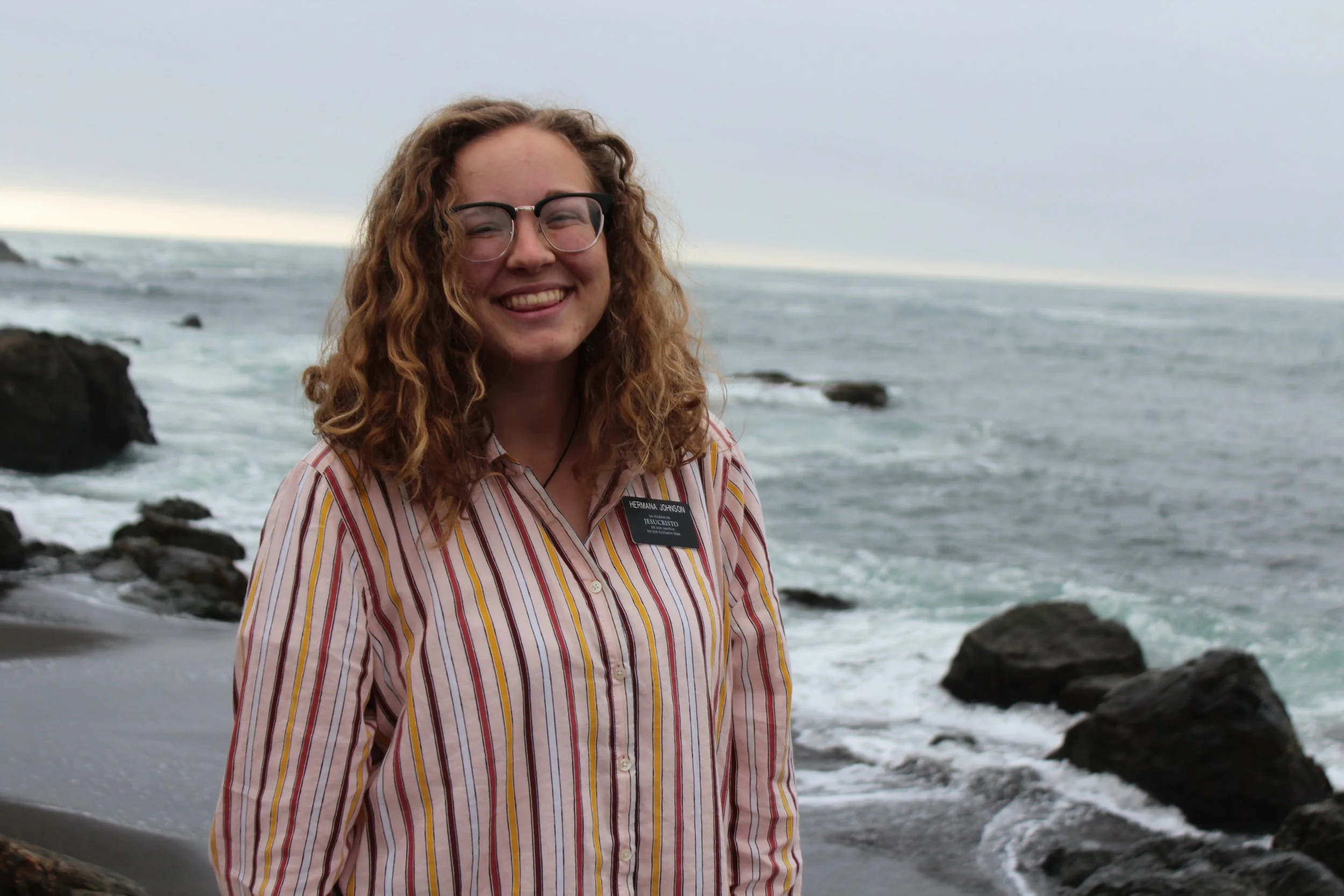

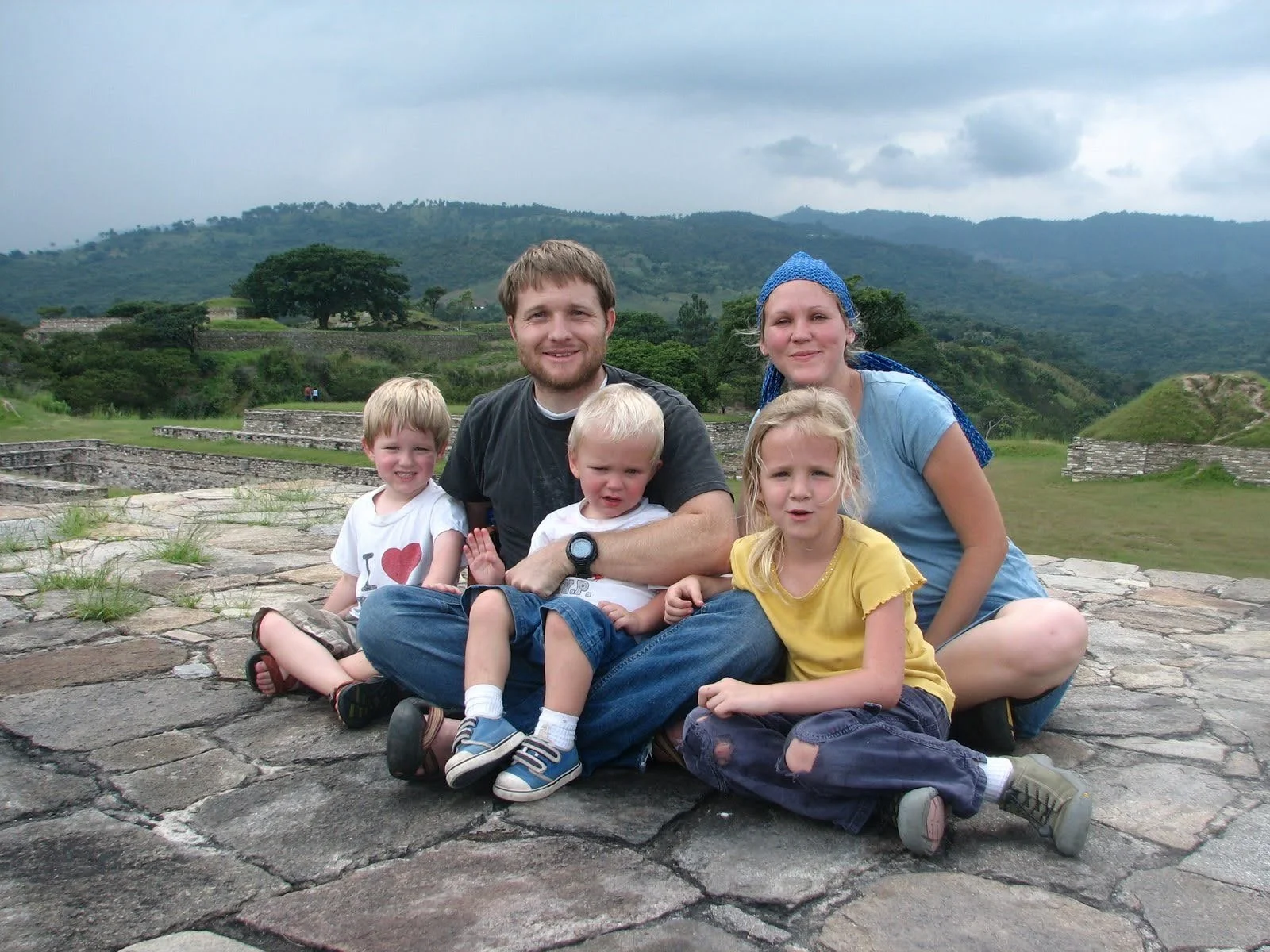

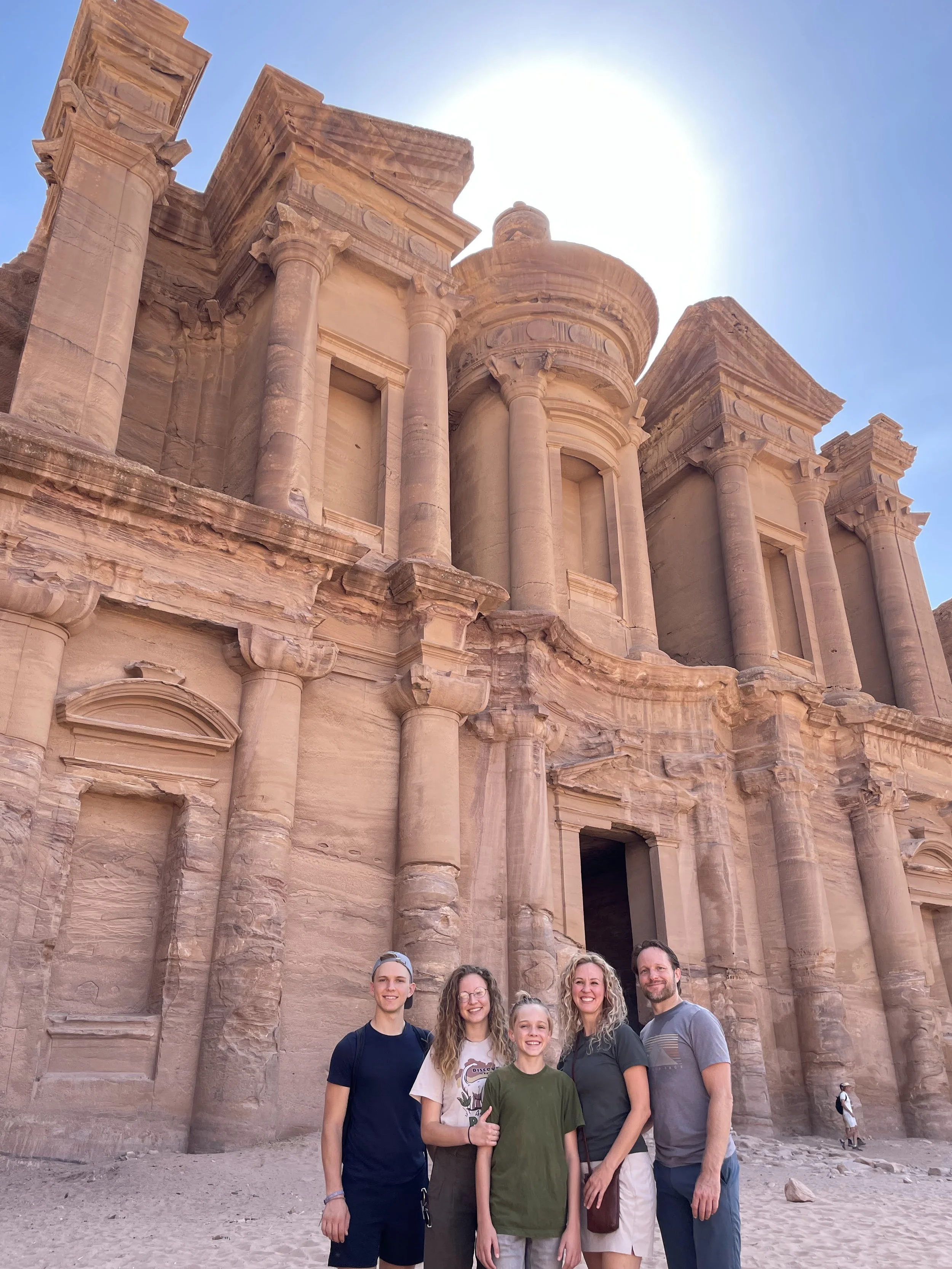
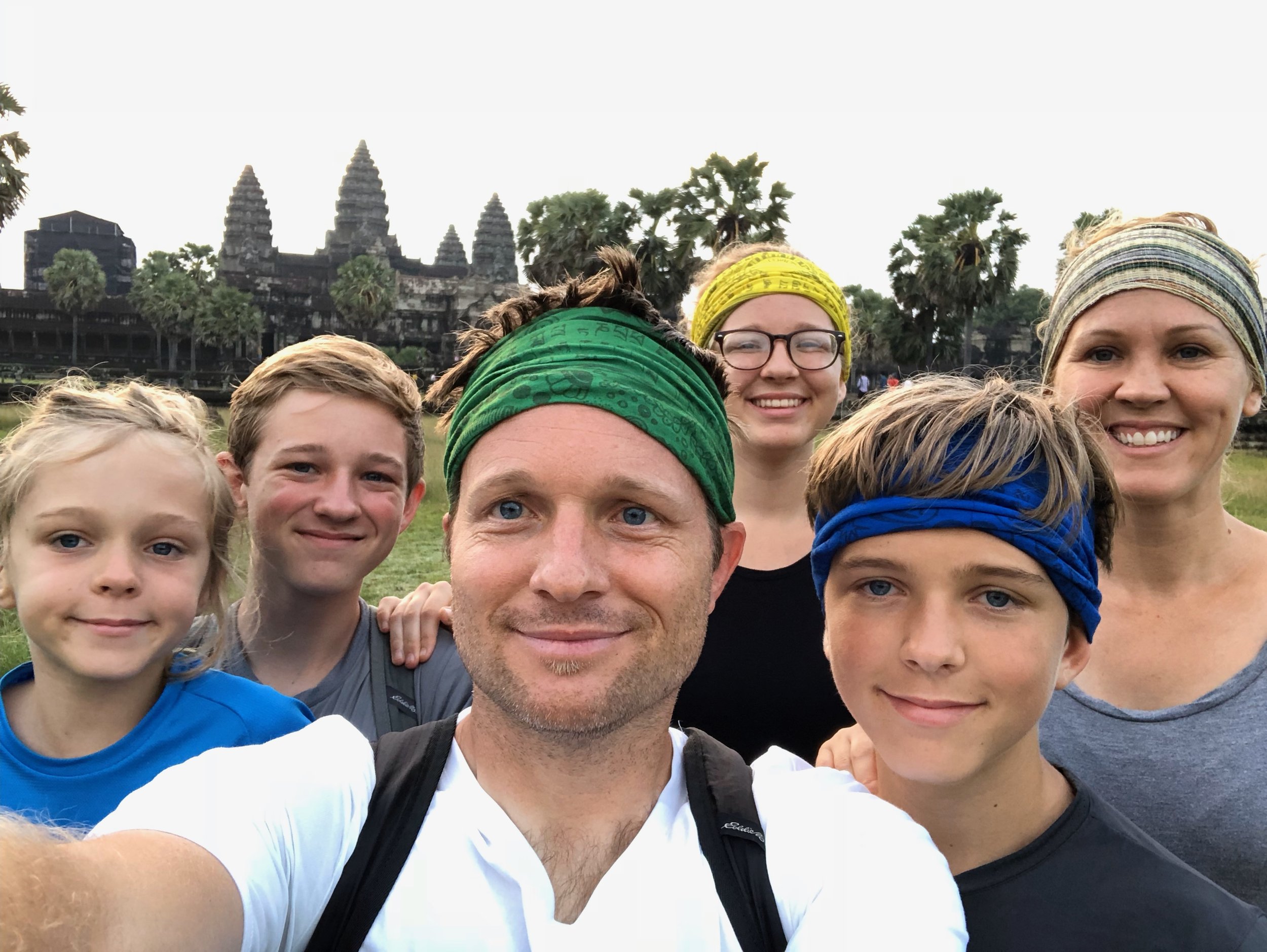
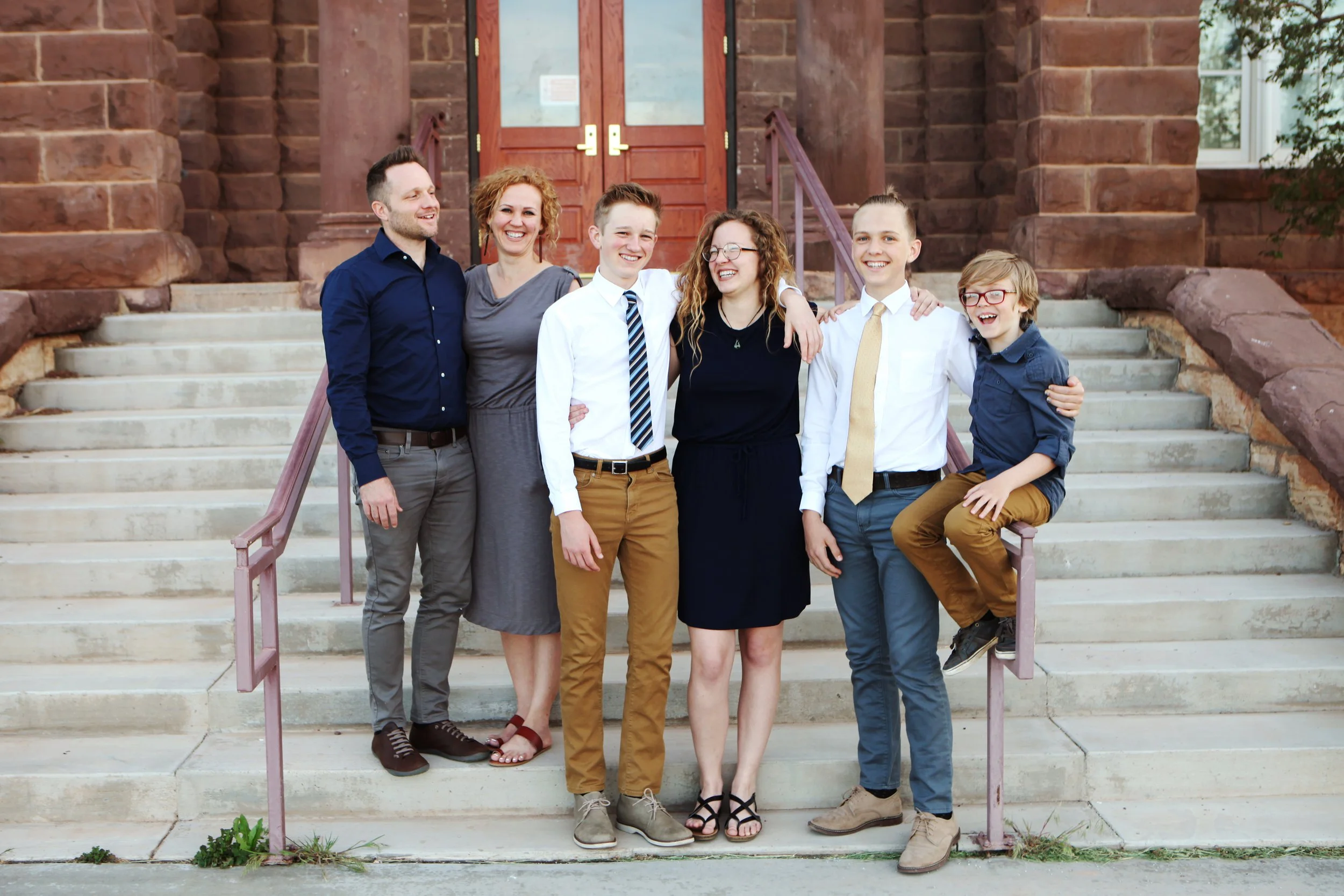

THE CHRISTENSEN FAMILY
In February of 2021, Mindy Christensen drove cross country from her Tallahassee, FL home to her parents’ house in Orem, UT to bring her third child home. It was a big trip, in many ways. Mindy was driving a brand new car – an SUV in a loud, gorgeous red far from the norm of her typically subtle car palette. And the child she’d be picking up was her soon to be 24-year-old. A month earlier, Mads (nonbinary; they/them) had called their mom, Mindy, to share big news: after two years of marriage to a man, Mads had come to terms with the fact that they were gay, and needed to get divorced. Also, Mads would be bringing their seven-month-old son, Luca, back with them…
In February of 2021, Mindy Christensen drove cross country from her Tallahassee, FL home to her parents’ house in Orem, UT to bring her third child home. It was a big trip, in many ways. Mindy was driving a brand new car – an SUV in a loud, gorgeous red far from the norm of her typically subtle car palette. And the child she’d be picking up was her soon to be 24-year-old. A month earlier, Mads (nonbinary; they/them) had called their mom, Mindy, to share big news: after two years of marriage to a man, Mads had come to terms with the fact that they were gay, and needed to get divorced. Also, Mads would be bringing their seven-month-old son, Luca, back with them.
It was a lot to process. Luckily, Mindy had a long drive to do so. She now admits she did not initially handle it all in a great way, asking Mads several questions other parents might reasonably consider in a similar situation: Are you sure? Could this perhaps just be a sex drive thing? Do you realize you’re married with a kid, and this is a big deal? Mads replied they had carefully considered all of the above. And this was real.
Mads had actually gone through months and months of careful consideration over the seriousness of the situation before coming out to anyone. Though when it truly came down to it, they knew that being the truest and best version of themselves was much more important than maintaining a reputation or relationship. It was more important for Luca to grow up with a parent who was honest about life and true in their identity. Mads knew theirs and Luca’s lives would change drastically, but the overwhelming realization of being queer was more damaging the longer it was held in. So out came the truth, and such led to a handful of changes in the Christensen family.
Having raised seven kids in the church, Mindy says they were “one of those families” – one that others looked to with admiration for their dutiful compliance to the LDS model. One who didn’t question, but believed in the promised fruits of strict obedience. Now they say they have a clearer picture of what obedience really means and the importance of personal revelation.
“There is general counsel from our leaders and personal counsel from the Lord, which trumps everything.”
Tom and Mindy Christensen were in fact a couple who once upon a time had to check themselves for making homophobic comments, upon the realization that they could possibly say something that might someday offend one of their own kids — but they never expected Mads. Blindsided, Mindy realized she had a lot of learning to do. And now she had some time to do it.
As she crossed seven states over her three-day road trip, Mindy listened to podcast after podcast of LGBTQ stories. One particular Listen, Learn and Love (by Richard Ostler) episode hit her the hardest. It featured a married couple whose son had come out, and they were able to express how much they still loved the gospel, and were also totally fine with their son and his gay marriage. An “and” statement. Mindy reflected on how she’d spent her whole life believing that members of the church were taught to follow one direct path to find happiness. She spent her whole marriage wanting her kids to end up happy, and believed there was only one way to do that. That’s how she was taught to teach them. But as she drove across Texas, processing this other family’s story, Mindy had a powerful experience -- a mindshift. She says it was almost as if a ray of light came down from heaven, and she heard the Lord say, “Your kids are going to be happy.” Tears streamed down her face, and an exuberant peace filled her heart. Mindy believed this prompting, and knew everything would be fine. Even if her kids walked different paths than she and Tom had.
In her impression, the word “kids” was plural, which took on new meaning later last year when yet another adult child returned home to live with Tom and Mindy -- with news to share. 27-year-old Emma (she/her) moved back from Idaho after finishing her schooling and shared that she is bisexual and needed therapy. Other feelings were so big at the time that discovering her sexuality was almost an afterthought to her. That’s why she didn’t make a big deal about it. Managing trauma was taking up the most space. Mindy says, “Emma dissociates a lot and so even though leaving the church and coming out queer/coming into her own were/are big things, because of dissociation, those things didn’t seem to take up much space in her mind.”
Now, just three of the Christensen’s seven kids (ages 14-30) are still active in the church, as two other siblings have also chosen to step away. Tom and Mindy understand the need for this, and are grateful that all their children are supportive of and loving to each other, wherever they are at. Recently, their son married a girl who he reassured his parents is totally “on board” with his family dynamic. The Christensens were touched when their new daughter-in-law’s family honored Mads’ wishes and bought them a tie to wear to the wedding. Mindy says, “It was so thoughtful of them to be completely inclusive. It touched my heart.”
Despite these loving wins, Mindy says theirs has not been a journey she would call easy. They have seen friends pull away, continuously had to remind themselves that some family members’ comments were not meant to be as hurtful as they came across, and church has just been… hard. The family has experienced some trauma – including Mindy, who has felt the physical affects of anxiety upon entering the church building. At one point, she had to advocate for her family and ask certain leaders not to talk to her or her kids anymore.
Of her church experience, Mindy says, “I felt like I’d given everything I had to a church that wasn’t there for me when I needed it. Everything I taught my kids, everything I breathed, thought, did -- my whole purpose was the gospel. Then when it came to the point where I really needed it there for me, it wasn’t. No one knew how to talk to us anymore. No one knew what to say. That’s part of my trauma.” And she’s working through it.
Mindy says, “I used to be excited to go to church. It was happy, fun. I had friends, I felt like people wanted to see me. Now I feel like they don’t. The second I go, I feel like I’m… the problem.” She is grateful for those friends who’ve really been there for them, including a new bishop who’s working with her to create a safe space for them, and others like her stake president who are listening and trying to make things better. Something Mindy herself is trying to do. “Unfortunately, it’s too late for us and my children, and that’s what caused me the most trauma. Because when my kids are hurt, I take it personally. I feel it to the depths of my soul. But I know for a fact there are others who haven’t come out yet, who need the support.” She recognizes that she herself once thought she knew everything, and others still live in that mindset now. Mindy suggests we all need to humble ourselves to listen and learn about what we don’t know or personally experience. She finds comfort and guidance in a quote by Elder Dieter F. Uchtdorf: "Brothers and sisters, as good as our previous experience may be, if we stop asking questions, stop thinking, stop pondering, we can thwart the revelations of the Spirit. Remember, it was the questions young Joseph asked that opened the door for the restoration of all things. We can block the growth and knowledge our Heavenly Father intends for us. How often has the Holy Spirit tried to tell us something we needed to know but couldn't get past the massive iron gate of what we thought we already knew?" Mindy now teaches the youth in Sunday School, and she’s grateful she can be there to support this younger generation in any way they need her.
On Mindy’s road trip, she felt the Lord tell her she needed to be that person who is there for others. That she needed to make a difference. Shortly after she went home, Mindy returned to Utah in June to visit family and ended up attending her first Pride event. She wore her Free Mama Bear Hugs t-shirt, and a young person ran up to her and asked her for a hug. This new friend said their mom had died before they were able to come out to them. Mindy remembers standing at the top of the hill near the Utah Capitol Building, surveying all the hundreds of different people who were there, and “the spirit struck me so hard. Tears ran down my face and I knew I was in the right place, helping the right people.”
Mindy now sends LGBTQ+ resources, including Richard Ostler’s books, to others who ask, and volunteers for the Trevor project. As the Vice President of PFLAG Tallahassee, she has a plan to complete, with volunteers, a Pride mural as a beacon of hope to LGBTQ kids. Mindy regularly posts queer content on Facebook, and has even taken her messages to Instagram. She also slapped three LGBTQ+-affirming bumper stickers across the back of her car, which she is now grateful is a bright, flashy color people notice.
At first, Mindy second guessed her efforts, but as she’s learned to recognize the Lord’s hand in her messages of love, she’s come to appreciate that, “I’m a big nuisance. Some of us are willing to shout, and some of us are willing to do things quietly behind the scenes. Both are needed. When you’re the one shouting, you sometimes feel you’re the only one doing that. But even if I help one person or family learn, that’s all that matters. If you don’t like it, you can just move on… That might sound harsh, but I can’t worry about it. The Lord said shout, so I shout!” For everyone who unfollows her, Mindy finds that someone from her past finds her and expresses how much they needed to hear her message that day. She is grateful to be on the path Elder Hugh B. Brown referenced when he said, “There is an incomprehensibly greater part of truth which we must yet discover. Our revealed truth should leave us stricken with the knowledge of how little we really know. It should never lead to an emotional arrogance based upon a false assumption that we somehow have all the answers — that we in fact have a corner on truth. For we do not.”
Of her experiences, Mindy says, “It's a journey. That’s for sure, but I’m grateful. Sometimes I want to go back to being ignorant, it was so peaceful. But then I think: no, I don’t. I was hurting people. Unintentionally, of course, but I was. We used to look so different… Now I know better.“ Being the mother of queer kids who she loves completely has shown Mindy the wider expanse of divine love. “When people talk about the two greatest commandments – the second completes the first. You’re not going to hang out with a mom who doesn’t like your kids; you find people who love all of you, not just part. There’s no way to love God if you don’t love all His children the way He does.”


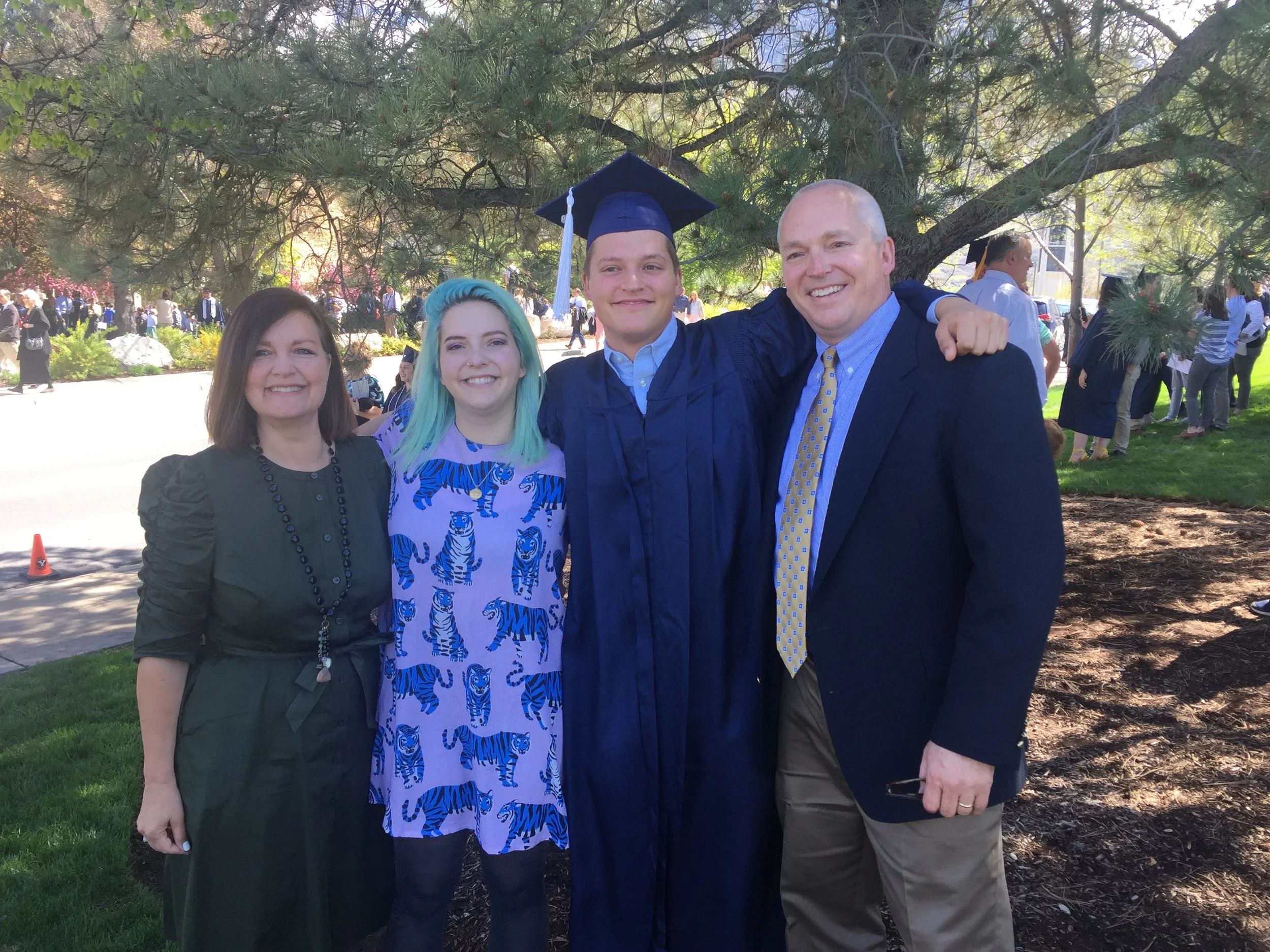
THE HARRISON FAMILY
“It never crossed our minds,” says Jill Harrison of the 22 years she spent raising her son before finding out he was gay. Unlike other parents she’s encountered who had early promptings about their LGBTQ toddlers or teens, Jill says, “We never would have guessed Matthew was gay, and I don’t think anyone else would have either.”
“It never crossed our minds,” says Jill Harrison of the 22 years she spent raising her son before finding out he was gay. Unlike other parents she’s encountered who had early promptings about their LGBTQ toddlers or teens, Jill says, “We never would have guessed Matthew was gay, and I don’t think anyone else would have either.”
Up until that point, he’d walked a pretty routine LDS path. Jill says Matthew seemed to value his religious upbringing. A “spiritual force” in their home, Jill remembers him encouraging the family to read scriptures from a young age. In high school, he dated girls and even had a girlfriend, but seemed relieved when she broke it off. After graduation, Matthew attended a year of classes at BYU Provo before eagerly serving a mission in Bolivia Santa Cruz. That was a positive experience during which he wrote many letters to friends back home that left an influential impression on them regarding the church. Two years later when he returned, he moved back to Provo, where he majored in Spanish.
In 2016, Jill flew out to Utah from their Sterling, VA home to attend a nephew’s wedding. She and Matthew drove to the Salt Lake temple together, but as they approached the building, Matthew stopped his mother and said, “I don’t think I can go in. I have a lot on my mind. We can talk about it later.” Jill proceeded to attend the sealing alone, consumed with just what might be on Matthew’s mind. Did he want to drop out of school? Was he leaving the church? Due to their busy schedule with wedding festivities, it was another day before the mother and son had a chance to take a drive, just the two of them. After a prolonged silence, Matthew uttered the words his mother never saw coming, “I’m gay.” Jill burst into tears -- but they had nothing to do with a rejection of him or his news. Rather, Jill exclaimed, “How did you sit there all those years at church and listen to all those painful lessons?”
It was a few more days before Matthew told his father, Michael, about his orientation. He sensed his dad would also be a safe space since both his parents had made it clear back in high school that they affirmed and supported one of Matthew’s friends at the time, who was gay. Over the remainder of that wedding week with his mom, Matthew slowly shared his evolution – that he’d known this about himself since puberty. That the only person he’d ever told during high school was their bishop, who had advised him not to take any action quite yet, to give himself time to figure things out. Growing up amidst church teachings that prioritized marriages that precluded people like him, Matthew said for the most part, he was able to bounce along with it all except when it came to the Plan of Salvation, during which lessons he felt an underlying sense of anxiety.
But Jill says there were many good things Matthew took from the church, including the great friend group he had at BYU. Even after coming out after his mission, Matthew tried not to shut the doors on any romantic possibilities. But it didn’t take him long to realize he just couldn’t be with a woman. He finished his Spanish degree at BYU in 2019, and upon graduation, moved to Brooklyn, NY. Matthew hasn’t been back to church since.
Ruminating on the many painful teachings her son had endured has become a source of pain for Jill. As a Young Women’s leader in her ward, even though she’s sat with her son’s news for six years now, she still struggles during lessons on temple marriage or the Family Proclamation. She tries to make things clear in her wording to the girls she teaches that things might look different for various people and families. That we may not have all the answers yet. Her husband, Michael, currently serves as bishop of their ward and openly shares the knowledge he has gleaned as the father of a gay son when he assumes a teaching role – that people don’t “turn gay,” and you can’t “pray it away” with enough faith. While Matthew – 28, and his older sister, Tess – 30, have both since left the church, they do not resent their parents’ activity. And Jill and Michael strive to always make their family relationship their first priority. Jill says, “We love everything about our children. Everything they do is important to me. I feel like my relationship with my son and daughter is the most important thing and if that relationship is their tie to Christ, then that is key. I choose to show Christlike love.”
At last week’s rededication of the DC temple near the Harrison’s house, one of the apostles who came to speak said, “Everybody has a place in the kingdom.” Jill sometimes struggles hearing these types of statements, knowing how hard it was for her son to try to find a place. But she cleaves to her inherent truth: “I believe that there is a place. I believe our family is going to be together, even though my son and daughter have both left. I can’t think of a Heavenly Father who would separate families. Seeing how much I love both of my kids, I can’t even begin to imagine His love. It’s one of those things I have to tuck away on the proverbial shelf. Our gay son and others like him have got to be part of that plan. And I don’t think it’s being celibate.”
Jill understands when LGBTQ people choose to leave the church. “I’ve heard some people say, ‘They should stay because they can be a good influence.’ But I wonder, ‘Maybe it’s not a good place for some to be, and is it our responsibility to change others?’ Though I personally do feel some responsibility – to stay and say something in a particular lesson or whatnot.”
The Harrisons feel lucky that Matthew has maintained a healthy outlook, and was able to find a positive peer group even at BYU after he’d come out to a few close friends there. They recognize this is not the case for many. Jill describes her son as a “warm, fun, creative person others gravitate toward.” A talented musician and drummer who had a music deal with a major label in high school, Matthew now enjoys the music, nightlife, and culture of the Big Apple. After working in the Orem, UT Trader Joe’s, Matthew now enjoys working at the Chinatown, NY store. He lives with a few roommates in a “really cool warehouse apartment” in Brooklyn with a view of the Manhattan skyline.
Just a few hours away in Virginia, his father Michael works in sales, and mom Jill works at a preschool. They prioritize spending time with family, and are very grateful for their many family members and friends who have all been loving toward their son. Jill hopes Matthew one day finds a life partner who makes him happy. Jill says, “Everyone wants someone to share their life.” Of her journey, she advises other parents in her shoes to, “Just love. I wouldn’t change anything as far as where I’m at, how I look at people, and how I interact with the youth at church. It’s definitely opened my eyes. If I’m going to err on the side of anything, I’m going to err on the side of love.”



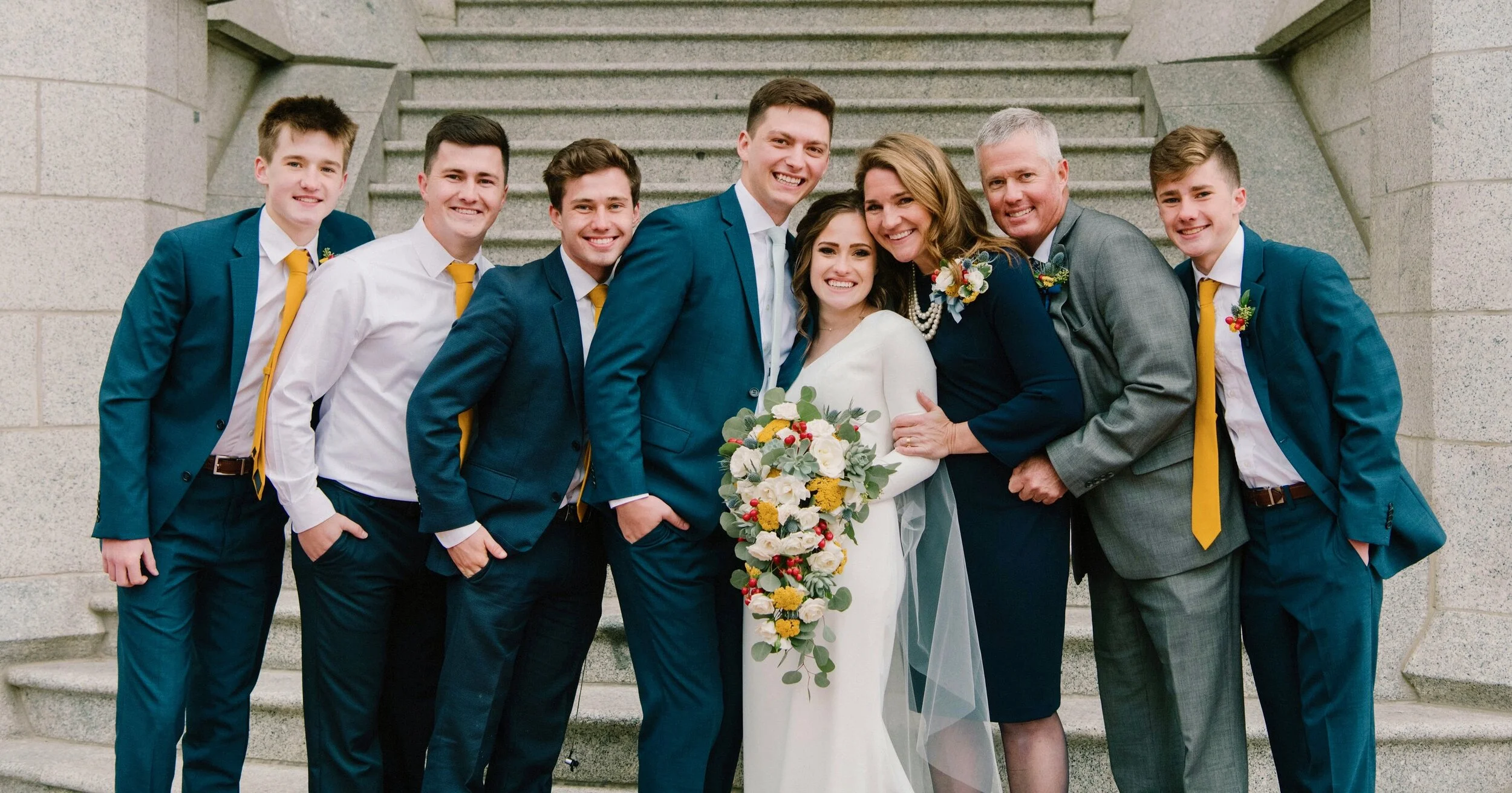
THE BURTON FAMILY
One night, when Holly Burton was tucking her 6-year-old son Sam into bed, he looked up at her with his imploring blue eyes and said, “Mom, I have a question and you have to tell me the truth. Am I adopted?” Holly responded, “No, honey. I would tell you if you were adopted; why do you ask that?” Her son replied, “I don’t know, I’m just… different.”
It turns out Sam would experience a unique path from many of his peers, in more ways than one. “He was always a very creative, gentle, inquisitive and intelligent child,” says his mom. “He tested to be in a gifted program, but he wanted to stay at his regular school and be with his friends.”
Sam is the second of five children in the Burton Family. Throughout middle and high school, Holly says Sam didn’t identify himself as being gay, but later reasons that the guys he admired back then probably were crushes. He told her, “Our culture never provided me with a healthy framework to even conceive of being gay, so it was easy to dissociate and convince myself it wasn’t so.” Sam had lots of friends who were girls, but no girlfriends. Holly now laughs, “I always just thought he was so pure, he wasn’t going to kiss anyone before his mission.” Indeed, as he prepared to serve, Sam’s stake president told his parents, “I interview a lot of missionaries before they leave and really grill them – I want to tell you that Sam is one of the purest souls I’ve ever spoken with.”
Sam loved serving in one of the New York missions, and his friends and family loved receiving his “wonderfully entertaining letters.” Halfway through his mission, Sam began having what he thought were heart problems. He was put through a series of tests, but came to realize he was experiencing severe anxiety attacks. Sam was coming to the realization that he was gay and the cognitive dissonance that it created caused his body to react. He came out to a LDS services therapist as well as his mission president.
One night, when Holly Burton was tucking her 6-year-old son Sam into bed, he looked up at her with his imploring blue eyes and said, “Mom, I have a question and you have to tell me the truth. Am I adopted?” Holly responded, “No, honey. I would tell you if you were adopted; why do you ask that?” Her son replied, “I don’t know, I’m just… different.”
It turns out Sam would experience a unique path from many of his peers, in more ways than one. “He was always a very creative, gentle, inquisitive and intelligent child,” says his mom. “He tested to be in a gifted program, but he wanted to stay at his regular school and be with his friends.”
Sam is the second of five children in the Burton Family. Throughout middle and high school, Holly says Sam didn’t identify himself as being gay, but later reasons that the guys he admired back then probably were crushes. He told her, “Our culture never provided me with a healthy framework to even conceive of being gay, so it was easy to dissociate and convince myself it wasn’t so.” Sam had lots of friends who were girls, but no girlfriends. Holly now laughs, “I always just thought he was so pure, he wasn’t going to kiss anyone before his mission.” Indeed, as he prepared to serve, Sam’s stake president told his parents, “I interview a lot of missionaries before they leave and really grill them – I want to tell you that Sam is one of the purest souls I’ve ever spoken with.”
Sam loved serving in one of the New York missions, and his friends and family loved receiving his “wonderfully entertaining letters.” Halfway through his mission, Sam began having what he thought were heart problems. He was put through a series of tests, but came to realize he was experiencing severe anxiety attacks. Sam was coming to the realization that he was gay and the cognitive dissonance that it created caused his body to react. He came out to a LDS services therapist as well as his mission president.
Unfortunately, telling his mission president is something Sam later regretted. His mission president approached Sam being gay as a problem to be fixed, a sin to be repented of, and proceeded by meeting with Sam regularly to help him determine what was preventing him from accessing the Atonement to help him be made straight. As a pretty straight-laced kid, Sam was unable to come up with answers that merited such a repentance process. Sam’s mission president advised him not to tell his family he was gay, so they remained unaware of what he was going through. After two years, Sam returned home to Holladay, UT, and began school at BYU Provo, where he found a good therapist. He found these sessions very helpful.
Soon after school started that fall, Sam met his mom for a last minute lunch at Thanksgiving Point. Over a table at Costa Vida, Sam shared a significant spiritual experience from his mission that happened during a time when he was in a particularly dark place. He was sitting outside his apartment on a fire escape feeling alone and without hope. As he prayed, he felt a great peace and these words came into his mind: “You are not broken. You are exactly who you should be. You are going to be okay.” This experience carried Sam for the rest of his mission until he returned home. On that day, after sharing this with his mom, he said, “You probably already know this, Mom, but I’m gay.” Taken back, Holly replied, “Wow. I didn’t know that. This is big… Just know I love you and that makes absolutely no difference.”
When Holly got back to her car, she had an overwhelming feeling of, “I wish it were yesterday. I wish I could go back in time.” While she was so grateful her son had shared this news with her, she says, “I was worried. I didn’t feel like this is end of the world horrible. But more like all those expectations and dreams I had for him are gone, and he’s going to have a different life, and I was mourning that. Things will be different – for this kid whose kindness, patience, and compassion are gifts. We thought he would be the best husband and father. And at that time, I thought that’s not going to happen for him. Now, my thinking has flipped – he will be the best husband and father, but it won’t be with a woman. And I’m completely okay with that.”
Sam had asked his mom to let him be the one to tell his dad, Brent, which presented a challenge for Holly who always shared her thoughts and feelings with her husband – especially big news. That night, as she was making dinner, Brent caught her in an emotional moment and asked what was wrong. She said, “I heard news about a friend who is going through some hard things. I can’t share the details, but I’m feeling sad.” Sam reached out to her that night to make sure she was alright, saying, “I’ve had a long time to process this mom…I just wanted to make sure you’re okay.” Holly says, “Sam was still Sam. His love and empathy still came through.” Over the next couple weeks, Holly found herself processing alone, with many nights spent crying in the bathroom by the kitchen -- a place no one would hear her. She urged Sam to tell his dad, completely confident Brent would respond the right way. And he did. Later, Brent said, “This is Sam we’re talking about – one of the best people we know. We know this isn’t a choice.” While Holly and Brent were united in love and support for their son, they then faced the questions that flood so many parents in this space: What does this mean? For our son, for this church, for these people? Where is their place?
Initially, Sam considered the idea of remaining celibate, or alone, and staying in the church. But his family watched as he spiraled into depression, devoid of hope. “God did not make us to be alone,” says Holly. “Especially Sam – who has so much love to offer, so much to share.” Brent initially struggled, wondering “What kind of God would do this to someone? It just seems cruel to give someone a testimony of God’s plan, only for them to realize that one of the end goals in that plan is not possible for them.” Holly ‘s first thoughts were, “Of course this is going to change! If this really is Jesus Christ’s church, it will have to. He has a plan for ALL his children. I’m just waiting for the further light and knowledge!” Though she hopes she’s not being naïve.
Sam remained at BYU, where Holly says loving, affirming professors in his undergraduate program offered Sam the support he needed. “They didn’t love Sam because he was a gay student. They saw him for who he was – this amazing, talented kid. They gave him opportunities to succeed. He won awards, he presented papers, he taught undergraduate classes. He even went to DC to help a professor present their research at a conference.” She credits one professor in particular with offering the kind of support that she feels helped save her son’s life. In light of recent events, she hopes the BYU faculty will remain a safe space for kids like her son who so desperately need them to be.
Holly will never forget when she received a call from Sam one late night. She could hear it in his voice. He was not okay. She asked, “Are you thinking about hurting yourself, Sam?” His response quickly prompted her to drive down and take him to the ER where they met with the psych department. A nurse asked Sam to explain what was going on. “I’m a gay man; I go to BYU.” “Say no more,” the nurse replied. Together, Sam’s support team made a game plan. He started to turn to music, specifically the BYU piano practice rooms, where he’d escape whenever he needed to destress.
It was a short time later that Sam asked his parents, “What would you do if I ever married a man?” They told him, “We’d be completely supportive and love him just like we love you. He’d be a part of our family.” Once Sam realized he had his parents’ full support, Holly says they saw a weight lift from him. He felt hope. Sam is now thriving at UT Austin where he was granted a teaching fellowship and is now pursuing his masters in Media Studies. He plans on being a professor someday. Recently, out of respect to his parents, Sam told them of his intention to have his records removed from the church, feeling he can no longer “in good conscience have (his) name on the records of a church that treats people this way.” Although, he fully respects his parents’ choice to try to stay in the church, serve, and hopefully make a difference.
Holly is serving as a stake Young Women’s president. She strongly believes we should lead with love instead of fear on these issues. She says, “By listening to others -- really listening, we can build bridges and come to understand different lived experiences unlike our own.” She flies a Pride flag not as a political statement, but to show her love. She has often felt the presence of her beloved father, who passed away three years ago, and she hears his spirit reminding her to “Be fearless. Trust in the Lord and know that this is all so much bigger than we can even comprehend.” She believes we need less judgment and more love. “My job is not to judge. I believe that is the Savior’s job. Our job as members of His church is to love.” She wishes we had better training for church leaders on these issues. “Probably the best thing leaders can learn to do is to listen to LGBTQ people.” Her bishop did exactly this with Sam. Holly was so touched by how their bishop just listened to Sam and asked questions -- for hours. He was then inspired to plan a fifth Sunday meeting where he invited Samuel (as the main speaker) to share his experiences, and Holly and Brent and two other parents of an LGBTQ child, to share theirs as well.
What Holly hopes for most right now in this space is that we can shift the narrative so that when a LDS parent’s child comes out, the parents don’t see this as devastating, but see their child as a gift. She says, “The LGBTQ people I know are incredible. They are amazing! I know we say we have a place for them, but our doctrine is not so clear about that place. At least not a place or space that many can live with. By not having or creating that space, we’re losing out. We’ve lost so many people – not just those who have stepped away, but literal lives have been lost over this. It is heartbreaking to me! These are people who have so much to offer. Sometimes we have to ask hard questions – and more importantly listen to the answers. When we really listen to LGBTQ people, we see them, we understand them, and it is then that we are better able to fully love them.”
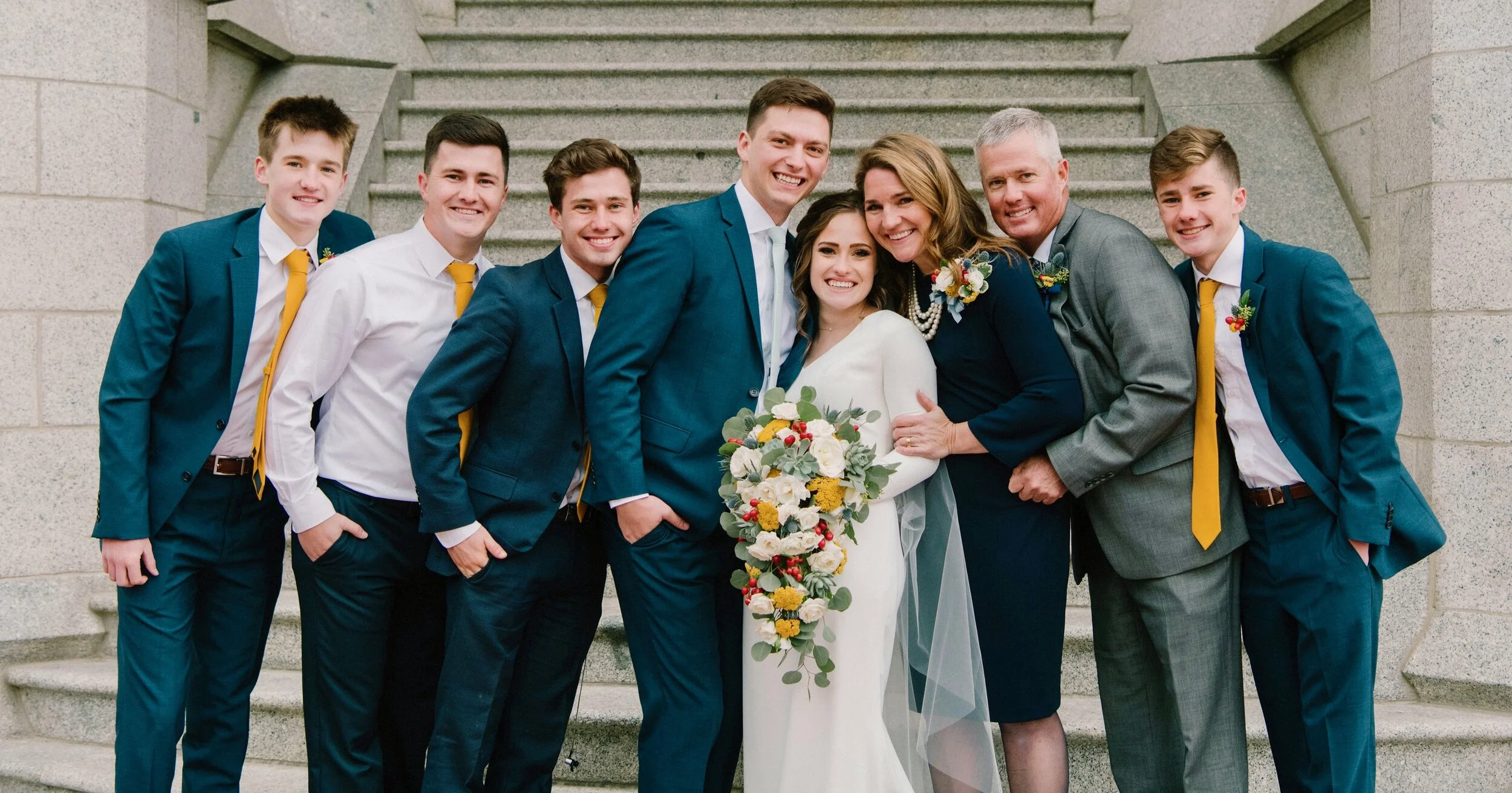



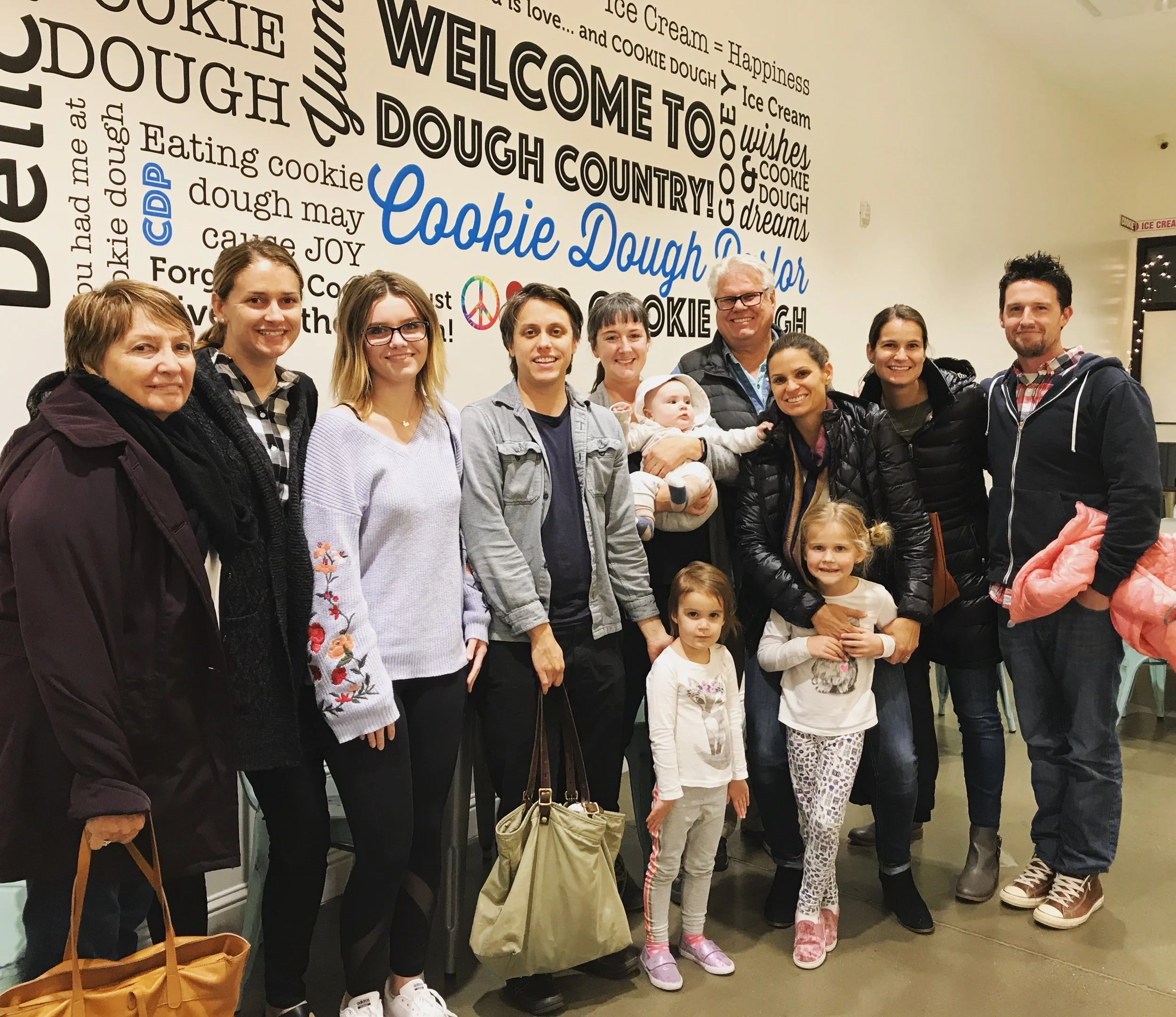
THE HAYCOCK FAMILY
For the Haycock family, the process of publicly sharing their story has felt like both an excavation and a family therapy session. It started with a sacrament meeting talk given in June by their youngest child, Emily, that spread on YouTube as she shared her evolution of learning how to show full Christlike love for her transgender brother, Carlos. It was a talk she was so nervous to give that her Apple watch clocked 25 minutes of cardio while doing so. But that experience was positive enough to nudge Emily toward also sharing her family’s story (with their permission) on the podcast, What Now. (links in stories)
For the Haycock family, the process of publicly sharing their story has felt like both an excavation and a family therapy session. It started with a sacrament meeting talk given in May by their youngest child, Emily, that spread on YouTube as she shared her evolution of learning how to show full Christlike love for her brother Carlos, who is transgender. It was a talk she was so nervous to give that her Apple watch clocked 25 minutes of cardio while doing so. But that experience was positive enough to nudge Emily toward also sharing her family’s story (with their permission) on the podcast, What Now. (links in stories)
And now, on a hot, summer night, Russ and Silvia Haycock share a Zoom screen with each of their four children: Norma – 49, Monica – 47, Carlos – 44, and Emily – 38, as they recount three decades of love and tears through their various lenses of Carlos’ complicated journey to coming to a place of self-identity and acceptance.
But first, they are careful to defer to Carlos. At age 12, he knew he was different. At 15, his mother found a letter in a backpack that outed him as a lesbian (at the time) who’d enjoyed kissing a girl after going to a gay club. He begged his mother not to tell his dad. He’d told his therapist he’d kill himself if his parents found out about his orientation. He just considered himself a “nerdy gay kid” whose male bandmates had crushes on, all subscribing to his female status at the time. Carlos didn’t have the language to know what trans was back then. And his parents – Silvia, who was raised Catholic before joining the LDS faith, and his dad, Russ, who came from deep LDS roots--had very little resources or knowledge in the LGBTQ department. Carlos kept much of his sadness and frustration to himself. When ward members didn’t want him to go to girls’ camp, the bishop called him in and asked personal questions about his involvement with other girls. Carlos didn’t tell his parents about this, but remembers being touched when the bishop still told him, “You’ll always be welcome in my church.”
At 18, Carlos moved to Provo to attend BYU. He lived with his sister Monica as he felt uncomfortable with the thought of living in a dorm with straight, Mormon girls. He felt uncomfortable in his skin and body, and preferred wearing baggy clothes. He says, “I presented as lesbian but was seen as male.” It was a different time at BYU in the ‘90s. The fellow gay friends he managed to find called him David. Carlos struggled. After failing a test and going in to meet with the professor, Carlos’ teacher said, “What’s up with you?” It was then that an adult first started explaining to Carlos how there are different genders and sexes. This teacher became a friend and later told Carlos to “take good notes,” when he got called into a meeting with the BYU Honor Code. Carlos had been reported for going to the University of Washington and sitting on a panel where he introduced himself as a gay BYU student, and for having a girlfriend at then-UVSC. Both accusations were false – but a student reported them anyway. An investigation began.
The experience was deeply traumatic. Monica vouched for her younger sibling. They didn’t tell their parents at the time how they both went in to the HCO together, crying, and were asked to bear their testimonies. Carlos internally reasoned, “I’m gay, and I’m a good person. Why do I have to be here?” The council demanded to know who Carlos hung out with, and where they convened. Monica now says, “It was a witch hunt. After that experience, I saw a gradual decline in Carlos’ ability to function as a human.” Suffering from crippling depression and anxiety, Carlos transferred to the U, where he failed classes and self-medicated with marijuana to cope, which lasted for years. “That was my therapy.”
In SLC, Carlos met others in the queer community and lots of ex-Mormons who became his friends. Later, he moved to Portland where he encountered his first trans male. “That’s where things clicked.” But as he wrestled with his identity and what really felt right, Carlos said even his friends in the queer community struggled to understand him. “I labeled myself lesbian, then dyke, then gay or queer, then trans. It was hard because a lot of my friends were female and didn’t understand—even in 1990s Portland. I felt like I’d lost my Mormon community, then my queer community.”
Carlos’ family learned of his process in stages. His parents flew out to join him for a therapy session in which he shared his plans to transition. His parents took him to get a second opinion from a woman who was actually a conversion therapist. After that, Carlos went for about two months without speaking to his family. Later, when he’d return home for visits, he’d endure being dead-named. He’d not mention his medical procedures and often stay in the closet of their home (literally) and hide when people from church stopped by to visit. He remembers having to put on a dress and having Monica re-pierce his ears so he could present as female at his great-grandfather’s funeral. He’d stuff his bra with toilet paper after he’d had top surgery whenever a certain grandparent was coming to visit. Shave his facial hair clean to hide it. A people pleaser, he didn’t want to upset his family members. But he was consumed by feelings of shame. “Shame that came from my whole life of everything I’ve ever heard, in society and the Mormon church especially.”
His life looks much different now. Carlos works as an RN in a large hospital and is a licensed acupuncturist and herbalist. He is married to Lauren, and the two are happily raising their two young daughters. His mental health is much improved. Carlos recognizes that nowadays, things are different – in a good way. All of the recent media attention on the LDS faith and queer identity in general has created more resources and knowledge he wishes had been there for his family at the time. They concur, and they wish they would have done better.
Carlos says, “I feel a lot closer to my family than I ever have before. I always knew they’d come around – I always wanted to have that space to give them that chance. Yes, it took 15 years for some of them. But it’s in their blood – they were raised in this church to be a certain way. I understand, but at the same time, I was hoping they would just come around.”
Silvia recalls it not taking long for her to choose her child over her church during Prop 8. The family was living in the Bay Area and both Silvia and Carlos were horrified to see many of their church friends’ names on the lists of those who had donated to the campaign denying people in his LGBTQ community the right to marry, at the bequest of the church. Silvia was shocked and demoralized that a church that teaches “Love One Another” would try and impose their value system on other people, especially when they believe in free agency. That was the final straw for Silvia, who left. “There were already a lot of teachings I didn’t agree with, but this was the breakup for me – I would like to be a principled person. The church’s stance and policies are hateful and detrimental to families, even though there are speeches that are very loving.” As for what happened to Carlos at BYU, Silvia says, “I’m glad I didn’t know. I’ve been known to speak up. I would have gone to BYU to fight for privacy rights and civil rights.” Of the boundaries Carlos once put up with his family to protect himself, Silvia and Russ say it was so hard, and they wish they’d done better and not been in denial for so long. Silvia says, “I’m a Mexican mom so I need my kids there with me every day.” She appreciates that her own mother told her, “All children are born how God intended them to be. People are born that way – why do people judge?”
Russ did his own work to try to understand his son, attending a SLC Evergreen conference where he remembers there being a lot of resources for gay people, but not necessarily trans. He continued searching for answers and was referred to an organization in San Francisco that assisted people with gender transitions. While one-on-one with a nurse, he said, “Help me to understand this.” She replied, “I’ve been doing this a long time and I still don’t fully understand, but it is what it is. Don’t try to understand. Love your son. Get on board.” And he has, crediting Silvia with leading the way. Russ says, “Silvia is the leader of the pack with the love side. She has always had her arms, heart, and doorway open, and everyone tries to follow her lead. That’s one of the keys of being a good family.”
Putting family first is the motto Emily remembers most from her childhood. Family was always emphasized as the most important thing, and as each of the Haycocks came to remember that in their own ways, it made life easier for Carlos. It was when Carlos said he was going to be a father that his youngest sister Emily realized it was time to get on board – that it would not be fair to have his children know him as one name and pronoun, while the rest of the family confused things. She realized that this was bigger than herself; this wasn’t about her. In her lifelong process to understand her brother, Emily recalls Carlos once saying, “I’ll always be your sister,” and as much as she wanted to hang on to that crutch of a label and her upbringing “with four girls,” it was time to let go and let Carlos be Carlos.
Oldest sister Norma says that when Monica once asked her, “Do you feel like you’re losing a sister?” she thought about it and came to the realization, “I feel like Carlos is still who he always was – funny, talented, a great cook -- as a child he invented the yogurt parfait. We shared a bedroom, we played Lego, the bottom of our bunk bed was covered in boogers. I feel like he’s still the same person. And for me, it’s so heartbreaking to think of how much pain he’s gone through for so much of his life. How hard that must have been, and how hard things still are.” Still in the church and still attending all the family gatherings that sometimes Carlos doesn’t always feel comfortable showing up for, Norma says, “I do feel like we need to give people a chance, the benefit of the doubt. I think so many people are willing to love [him] no matter what. It’s sad for me when Carlos doesn’t feel comfortable coming, because then someone’s missing.”
While each of the Haycocks are on different paths spiritually – some in the church, some out – they make it a practice of showing up for each other, and their shared love permeates from each of their frames on our Zoom screen as we conclude our “therapy session.” Monica, who remained by Carlos’ side during those painful college years and is the only family member he felt safe enough at the time to share about his wedding, says, “There’s a difference between religion and spirituality. You can still have a direct connection to the higher power without the horizontal line of religion. Carlos is one of the most spiritual people I know.” Of her work in the mental health field, Monica says, “In my research, I’ve seen how it usually takes just one family member to be on board, one accepting leader. And then there’s the domino effect of love, curiosity, and question asking. It’s usually someone in the caretaker role. Then once that one person’s on board, acceptance gradually follows. It took us forever -- 15 years – for everyone to get on the same page. 15 years of Carlos having to live a double life. Looking back, he had so much shame and fear of not being accepted, when he just needed to be loved.” And now he knows he is.




THE UNTOLD LIFT+LOVE FAMILY STORIES
This week’s feature looks a little bit different. We had a family lined up – a real live family with real live people and pictures. And we were really excited about this one. The mother is a force – a fierce ally with a successful podcast you’ve likely heard of. She works tirelessly to make the LDS space safer for all those on the margins, including our LGBTQ+ kiddos. She was eager to share. Only at the last minute, her own queer kiddo pulled out. Shut down the story. Said they don’t want to feel like the “token gay child” of someone else’s agenda. And we 1000% get it…
This week’s feature looks a little bit different. We had a family lined up – a real live family with real live people and pictures. And we were really excited about this one. The mother is a force – a fierce ally with a successful podcast you’ve likely heard of. She works tirelessly to make the LDS space safer for all those on the margins, including our LGBTQ+ kiddos. She was eager to share. Only at the last minute, her own queer kiddo pulled out. Shut down the story. Said they don’t want to feel like the “token gay child” of someone else’s agenda.
And we 1000% get it.
This is nothing new for us. In fact, this happens about a third of the time we approach a family to share their story. Typically, mom or dad’s on board – eager to give back to a community that has helped them feel less alone. They long to soften hearts. To increase understanding. They’re willing to sacrifice their privacy and at times risk personal relationships to share their truth. All from a place of love for their children -- many of whom are also eager to share and offer hope to their younger counterparts. How we love and need these families!
But when a family’s beloved child says no, we pull the plug, no questions asked.
So many of the LGBTQ kids we love (including my own) have never been on this site. They are beyond done with the church and have no desire to affiliate or try to portray it as a safe space. Others don’t feel a need for the spotlight. Some have already transitioned to a world where they have found friends and community in which they are able to comfortably just… be. They don’t want us to hang Pride flags in our yard, or wear rainbow shoes to the grocery store, or slap equality stickers on our bumpers. Some kids don’t need or want any of that. They just want to feel… normal.
So while we can’t offer our typical family profile story this week, we still want to hold space for all the kids who do not feel a need to enter this space. Kids whose lives and stories are just as important as those who are okay sharing.
You’re not a token. You’re not an agenda. You’re 1000% normal, and we honor and recognize you for exactly who you are. Even if you never read this.

THE ANDRUS FAMILY
I am a Child of God,
Their promises are sure;
Queer kids are precious in Their site
If they can but endure.
I am a Child of God,
Their promises are sure;
Queer kids are precious in Their site
If they can but endure.
Lead me, guide me
Walk beside me;
Help me find the way.
Teach me all that I must do -
To help them live today.
It’s a mantra and a mission for Andrea Andrus, who reworked the words of a favorite hymn to align with her own experience as the mother of Ash (they/them). At 17 years old, Ash identifies as pansexual, nonbinary, and asexual, and was also recently diagnosed with autism. Andrea feels it’s both a calling and a blessing to parent such a beloved child with unique gifts. “Ash is my miracle baby. I want them and the world to know how special they are.” And of the many children like her own who also struggle with their mental health, Andrea says of her advocacy, “We know there are lives on the line. That’s why we do this work.”
Ash was born when Andrea was 35. Andrea and husband Kevin both recognized early on that there was always something extra special about them. Growing up, Andrea says Ash was the “sweetest, sweetest kid -- super smart, top of the class. Ash always wanted to do the right thing and be involved and have fun. They would come home from school all the time and say, ‘This is the best day ever’!” Ash is artistic and gifted musically. They performed with a youth theatre group, taught themselves the ukulele, and after taking piano lessons for several years, now play by ear.
While Ash has always been a delight to their parents, Andrea chokes up at recalling the rough road the Andrus’ faced when they realized the level of suffering their child had endured for years. Around Ash’s 8th grade year, Andrea and Kevin made an unexpected move back to Idaho, where they both were raised. Ash was forced to leave behind their friends and everything they knew. Then Covid hit. Ash seemed to be lost in their own world. Andrea vividly remembers the day she went in to wake up Ash for seminary and she realized there was something more going on – she knew her child was really suffering from major anxiety and depression. As they worked through that for a couple years, there was still something else Andrea felt she was missing. She then found out her child was autistic. Andrea says, “I feel strongly that someone being born with autism is just like being born LGBTQ – it’s how your brain is formed. And it’s great -- autistic people change the world. They think outside the box, they are beautiful and creative, just like our LGBTQ community.”
But Andrea feels that Ash having been undiagnosed that long with autism, and not getting the right support and treatments was very harmful and likely made their depression a lot worse. Right after they found out they were likely autistic, Ash asked Andrea, “Mom, am I broken?” Andrea says, “I had this powerful download of words that were not my own: ‘No, you’re not broken. This is your superpower’.” She told Ash, ‘It’s just like being gay. It’s how you were born. There’s nothing wrong with that, and it’s beautiful.”
Andrea reasons so many children like her own came out during 2020, (or while on their missions), is because in times of deep introspection and isolation with both yourself and God, is when we get real with ourselves. It was the same for Ash, whose coming out was a bit of an evolution of identities as they navigated what felt most authentic. Eventually, they found identifying as nonbinary to feel like a better fit for them than being gender fluid or trans. Andrea reports that in her research, she has found this to be a perfectly normal part of an LGBTQ youth’s journey. While she struggled with Ash’s name and pronoun shifts at first, she values the advice of (Lift and Love Trans Support Group Leader Mama) Anita who says, “Using preferred name and pronouns is another way of saying ‘I love you’.” This got really real for Andrea who, having been married once before, recently saw her former married name printed somewhere and it made her physically ill, which again reiterated to her the importance of believing people when they tell you who they are, and not dead-naming them.
Ash no longer associates with the church, and is unsure if they believe in God. Yet they have a deep connection with and find comfort in nature. Ash loves animals, mountains, the ocean, and forests. Spiritually, Ash leans into mystical things and loves crystals, essential oils, and finds Oracle cards fascinating -- much like a journal prompt. As Andrea has stepped back and watched her child’s interests develop, she has been reminded of the creation story witnessed in the temple, and that all the elements that fascinate Ash and cause them to listen to the divine are the same surrounding elements that God created.
Rather than resist Ash’s affinities, Andrea has made it a conscience choice to lean in and learn what her child is experiencing. She recognizes that a long time ago, she was one of those people who thought being gay was a choice. But when her own child came out, and her daily need became keeping that child alive, Andrea shed some of her past reluctancies and now finds intense peace and joy in allowing her heart to remain cracked open. An early prompting to learn all she could about the LGBTQ space transformed Andrea’s own belief system as she started to see that her personal revelation and insights did not always align with what she’d been taught. At one point, she apologized to Ash for not being better prepared, and now the two have a very strong bond of trust and transparency. Because of the actions Andrea took to educate herself and become a stronger ally, not only does Andrea feel an extreme outpouring of love for Ash, but for all LGBTQ people, including her gay niece and nephew.
She advises others to “Stay curious. To try to accept and love. If something bothers you, ask yourself why.” When Ash first came out to their parents, at the time the Andrus family was living in Twin Falls, ID, where they had a remarkable affirming bishop and his wife – each with a gay sibling of their own. Andrea’s bishop advised her to seek her own personal revelation, while also saying, “Your job is to love them.” At first, she thought, “Of course, I do.” But with time, she learned that love really is a verb.
On her spiritual journey, many things uttered over pulpits have been hurtful to Andrea. “I try to be a stone catcher. But sometimes it feels like stones are being thrown by some of our own.” One recent talk in particular that made it sound like Andrea’s child might “end up in a lesser kingdom” was especially hard. “I reject that,” she says. “I think there’s a VIP section for our LGBTQ siblings in heaven. A special place for special people.” Andrea also embraces the notion of expecting miracles along this journey as we navigate from Point A to Point B. She says, “God loves all His children. If the gospel doesn’t include all God’s children, then it’s not the complete gospel.”
Now residents of Eagle, ID, Andrea is hopeful the church may someday feel like a safer place for her family. But as of now, she says, “We’re hurting. It’s not ok. Such a huge percentage of LGBTQ families leave the church. There are some people and organizations doing great things, but until it comes from the top, it’s not going to change the masses. Unless you’re blessed enough to have an LGBTQ child, it’s a slow process of changing hearts. And in the meantime, we’re losing so many wonderful people. Every ward’s got a few safe ‘come sit by me’ people, but it’s not enough. It’s a huge loss. And it’s lonely.” That being said, Andrea takes great comfort in her knowledge that her child Ash has a divine purpose on earth, and that God will help them succeed.


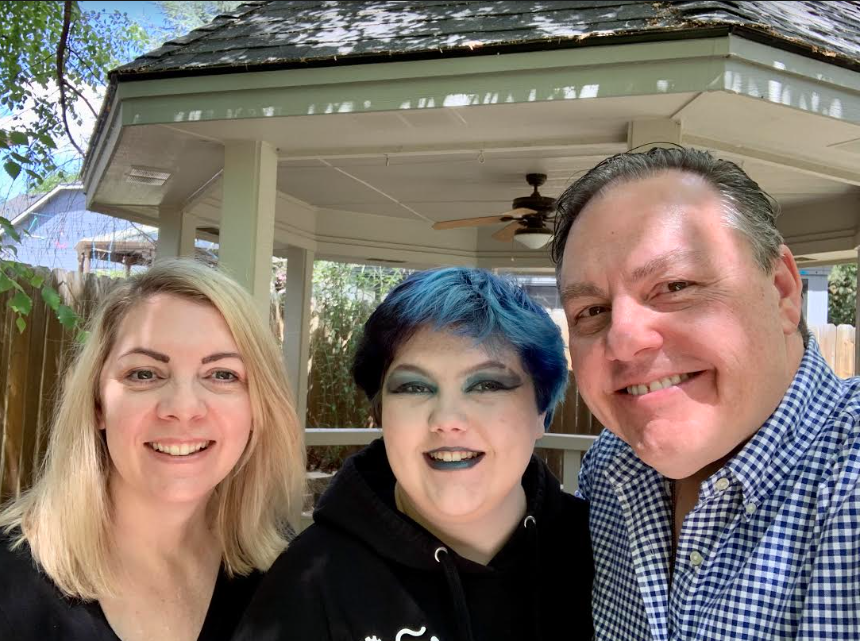
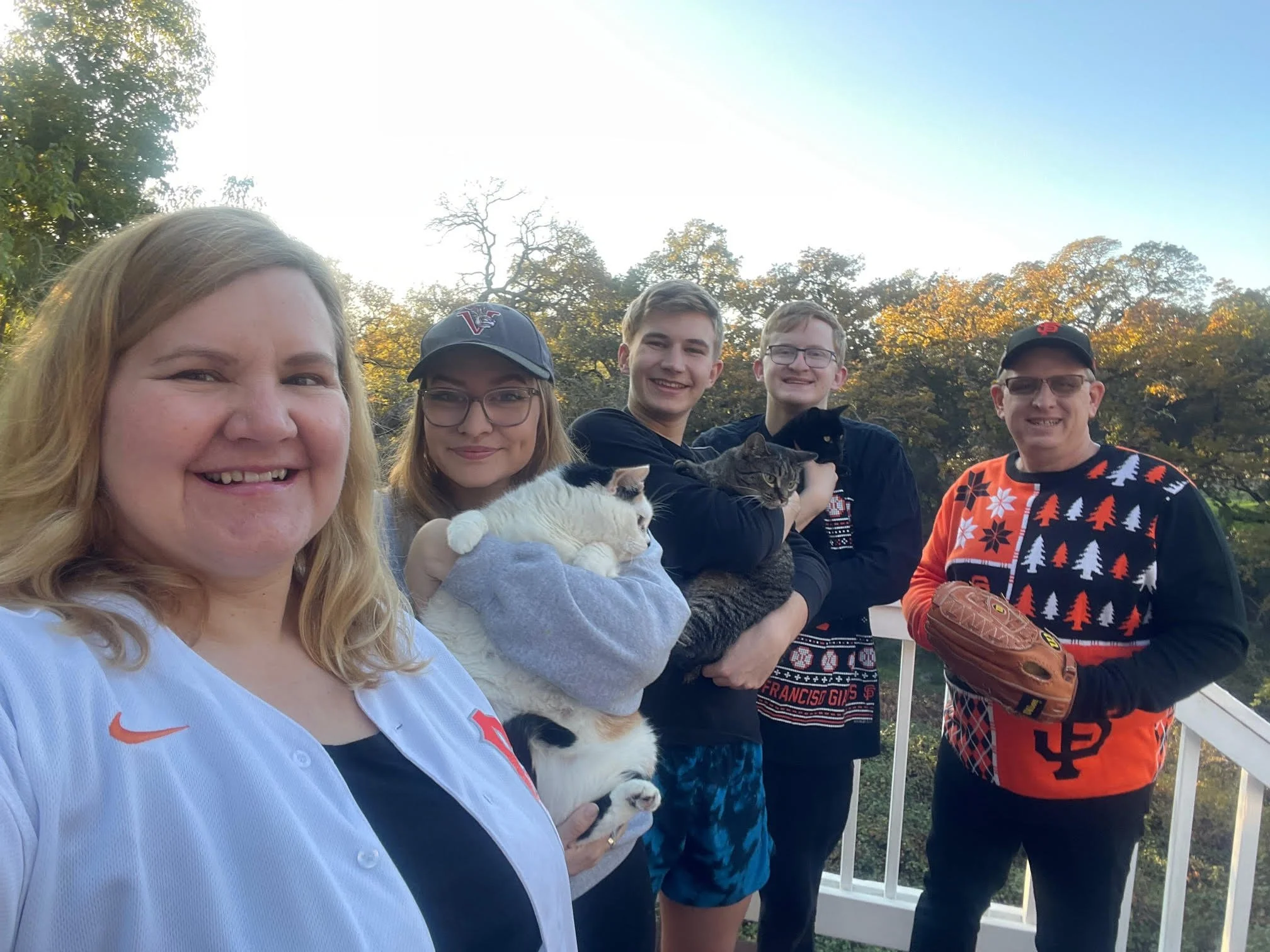
THE MARCHEK FAMILY
Seth Marchek was a happy baby. While his mom recalls he was slow to talk, he was good at following directions and loved to be at home. As he grew, Jen says her youngest child was a “super easy child -- very obedient. He easily played by himself, and would sometimes get left behind at places because he was so low maintenance.” Seth loved to sing and dance, making a showtime out of his family’s FHE. Highly coordinated at a young age, he was also skilled at soccer.
Seth Marchek was a happy baby. While his mom recalls he was slow to talk, he was good at following directions and loved to be at home. As he grew, Jen says her youngest child was a “super easy child -- very obedient. He easily played by himself, and would sometimes get left behind at places because he was so low maintenance.” Seth loved to sing and dance, making a showtime out of his family’s FHE. Highly coordinated at a young age, he was also skilled at soccer.
Seth’s love for dance and musical theater as well as his super obedient nature continued through middle school, during which time he was very particular about how he dressed for church – tying his own tie by age 10. Jen says, “He was very studious about anything church related – he’d take notes during General Conference and leave post-it note reminders around his room.” Seth single-handedly led his family to read the entire Book of a Mormon as a family during the school year, after which he planned a special celebration, complete with a treat he’d baked at home and brought for his family to eat on the temple hill when they finished. Jen notes he was “100% obedient about praying over meals – even offering thanks publicly at restaurants and in his middle school cafeteria.”
Around the time he turned 15, things changed. Parents Jeff and Jen Marchek recall Seth became extremely moody and argumentative. Unhappy. Depressed. The once diligent Deacon who loved to pass the Sacrament now found excuses not to go to church. While his parents couldn’t determine what was brewing under the surface and guiding Seth’s new behavior, it was during this time that he chose to come out to his older siblings, Kira (now 23) and Zak (20). Both were extremely supportive of their younger brother.
Shortly before Seth turned 16, Jen took the kids to Pieology for pizza one night. She could tell there was a buzz between the three kids throughout dinner that followed them into the car. Once they’d closed the doors, Seth said, “Mom, I have to tell you something. Just listen for a second.” She replied, “Ok...,” to which Seth said, “I’m gay… what do you think?” Jen said she instantly said, “I love you. This doesn’t change anything.”
While Jen didn’t foresee Seth’s news, in looking back, she says she now sees how God prepared her to be the mother of a queer child. Her husband Jeff’s sister is a lesbian and got married around the time of Prop 8. Jen says, “I remember feeling very conflicted at the time, and many of our church friends asked us how we could go her wedding while being members of the church, which was so set against gay marriage. I remember taking this to the Lord in prayer and I was impressed with feelings of love for Mandi and Traci and that they were important and beloved members of not just my family – but God’s family.”
Six months before Seth came out to his parents, Jen was on a business trip to San Francisco, near their Folsom, CA home. She felt a strong impression to look up what the church website said about LGBTQ people. She felt compelled to read everything she could find online. While she was prepared with all of this recent research, when Seth’s news hit her, at first, she was still a bit shocked and scared about what her son’s life might look like. She felt some grief for the picture she had in mind of how his life would unfold, and what her family’s future would look like. Jen knew that the despite the world being more accepting of LGBT folks than ever before, her son’s road would still be hard, and she worried for his safety.
Jen recalls, “In this place of fear and grief and heartbreak, I turned to my Savior in prayer. I prayed to know what to do for Seth, how to help him. What should I say and do? And I was filled with the spirit of an overwhelming message – love him. I had the strongest reassurance that I was chosen to be his mother and show him love like our Savior would love him. And I felt the Spirit witnessing that God loves Seth, too.”
Now 18, Seth is a recent high school graduate who is excited to continue his education this fall at San Francisco State University. He still loves music, playing the ukulele, and performing with a competitive dance company. His parents say his mental health has drastically improved and he is back to being a happy, helpful kid. Jen says, “Seth is kind and thoughtful and respectful of others. The cloud of despair has lifted.”
While Seth is now dating a young man and has maintained a very supportive friend group from high school, Jen regrets he never really had a close friend in the church he could talk to. Seth no longer goes to church, nor do his siblings, though Zak occasionally attends YSA activities. They feel better about avoiding Sunday meetings in solidarity of their brother. Jen is her Folsom ward’s Relief Society president, and she still attends church with Jeff, where she wears a rainbow pin to church. Jen loves how her children have charitable hearts and are all always willing to help her serve anyone in their area who needs it. They often serve the homeless, and help with last minute needs that arise for Jen, who loves how Seth in particular has bonded with one of the “trickiest” ladies in the ward by pet-sitting.
Recently, Jen was asked to teach her ward’s 5th Sunday lesson about how they can be more loving LGBTQ allies. After sharing her own family’s path, Jen encouraged her ward members to pull out their gospel app while she read straight from the source of the importance of learning all you can, and expressing and showing love to LGBTQ loved ones while honoring your own natural feelings that may come as a result of someone close to you coming out. She shared the staggering mental health statistics faced by LGBTQ teens, and importance of creating safe spaces for them. She shared how her heart broke when she learned that her own son had struggled as a youth, feeling if he could just be righteous enough – more perfect in his prayers, scripture reading, and with keeping the commandments, that somehow God would take this way. Then she shared, “But the years went by and it didn’t change. And he felt pain that he didn’t fit in with the gospel plan, especially as told in the Proclamation, which led to pain bubbling up in an angry teen.” She shared the sadness she felt that despite all she had done to show her family they were a place of acceptance, that her son still harbored fear and shame. Jen also shared how she feels the most important reactions people can have when someone comes out are to 1) love them and 2) believe them. In her lesson, she emphasized a point once made by Carol F. McConkie, “The gospel of Jesus Christ does not marginalize people. People marginalize people. And we have to fix that. We need to be sensitive and love them and allow them the opportunity to grow and to blossom and to be their best selves. They have talents and abilities and personalities that are needed in the kingdom of God.”
Jen concluded her well-received lesson with this testimony: “As I’ve sought to study and learn more about this portion of my journey, I keep being drawn closer and closer to Christ. He is the answer. He is the one who ministered to all of those on the margins, the Samaritans, the tax collector, the woman accused of adultery, the sick and the lepers. I truly know in my heart that Jesus Christ loves all of his children.”
Jen is grateful to participate in a nearby stake’s Learn of Me LGBTQ study group, in which their meetings all include a story from the life and ministry of Jesus Christ: “It is to Him we look.” Of her calling of being Seth’s mom, Jen is grateful that, “It’s a chance to love more, feel the spirit more, and to not be afraid.” And Jen took great comfort at the recent Lift and Love mom’s retreat, where she looked around at the 100+ other women in the room and marveled how she’s not alone in her journey as she strives to keep her faith and walk this path.
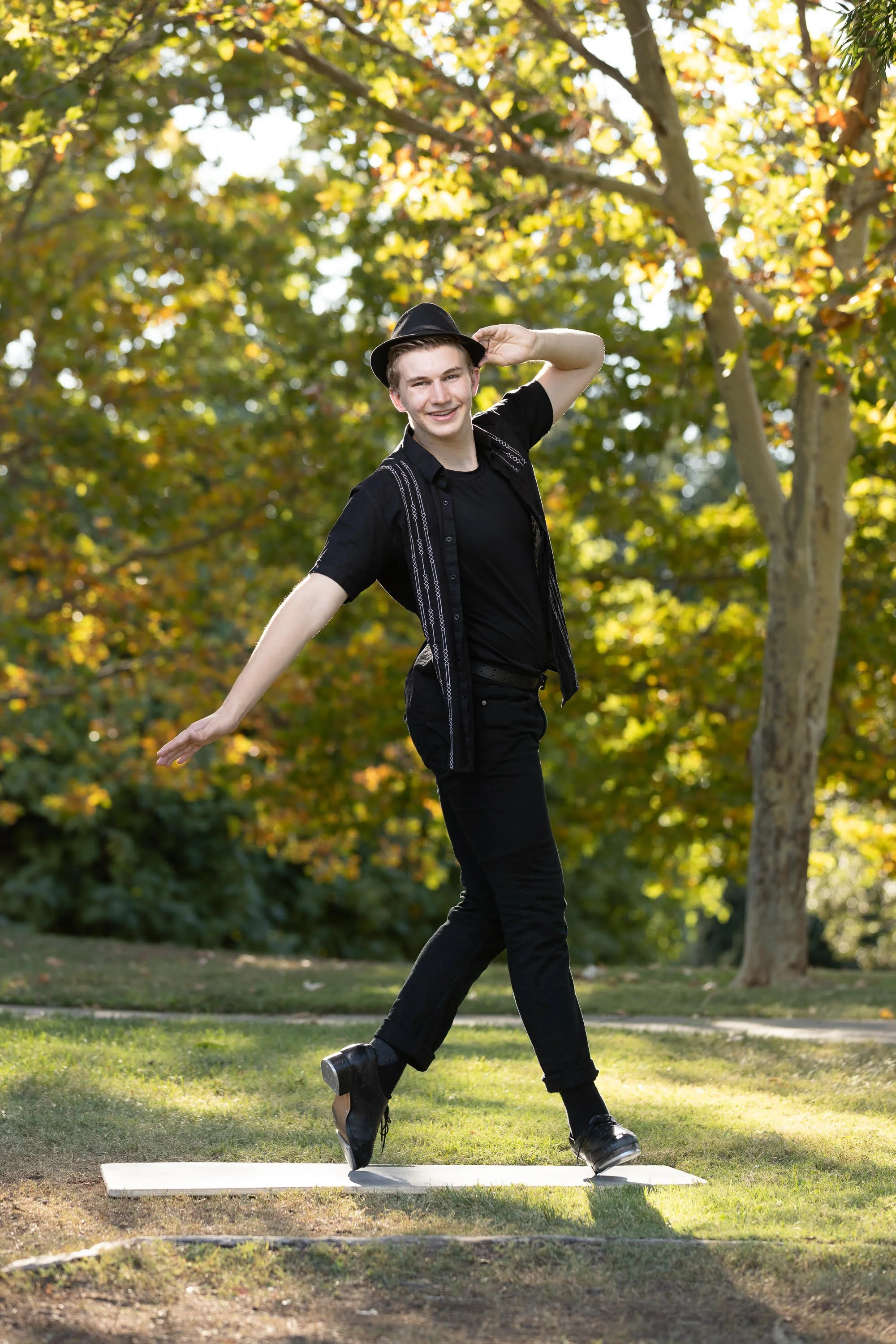


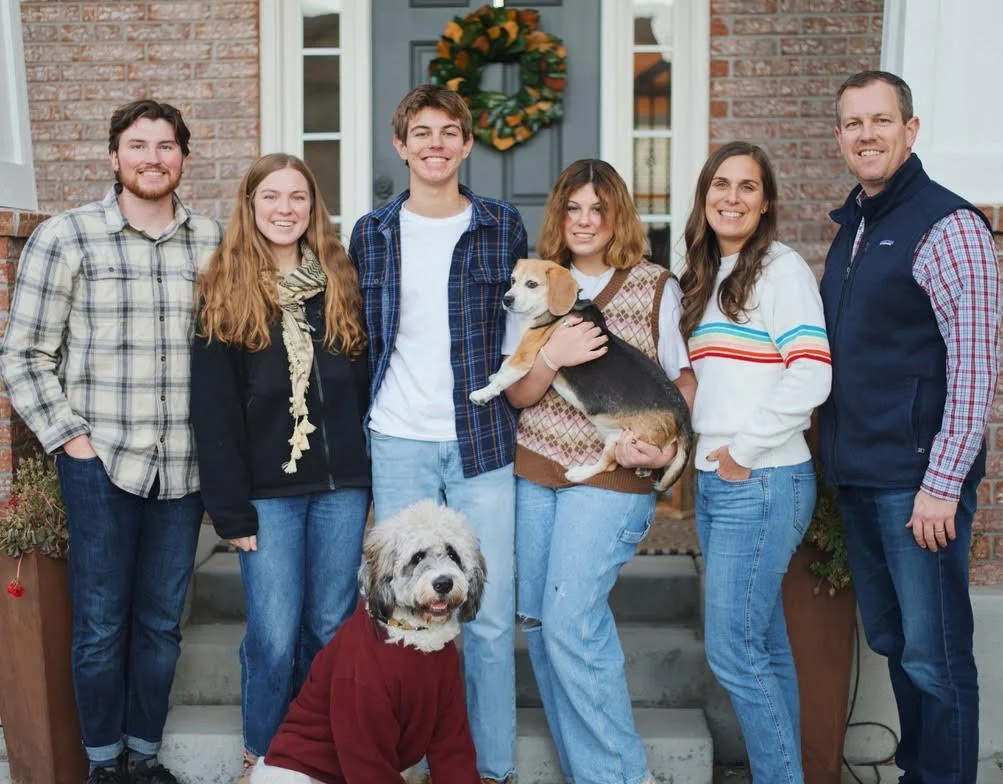
THE BALDWIN FAMILY
Like many mothers of LGBTQ kids, Carey Baldwin’s path to allyship was prompted long before her daughter, Millie, ever raised the topic of her own sexual orientation. When she first met Lift & Love founder (and now friend, Allison Dayton), Carey had to agree with her notion: “Isn’t it amazing how God gives you a runway?”
Like many mothers of LGBTQ kids, Carey Baldwin’s path to allyship was prompted long before her daughter, Millie, ever raised the topic of her own sexual orientation. When she first met Lift & Love founder (and now friend, Allison Dayton), Carey had to agree with her notion: “Isn’t it amazing how God gives you a runway?”
About four years ago, a series of experiences cracked open Carey’s heart to the LGBTQ community. She witnessed a handful of people in her orbit face complex situations with their LGBTQ loved ones, from a trans person being denied the opportunity to be baptized, to multiple friends grappling with their LGBTQ children’s mental health and suicidal behavior. She says, “The hardest part was seeing how everyone seemed to know what was going on, but no one said anything. Why do these young people feel like they have to leave our LDS community and make it on their own – or take their lives?” Around this time, Carey heard the statistic about how LGBTQ youth who have at least one supportive adult in their life are 40% less likely to attempt suicide. At that moment, Carey decided, “I have to be that person. Anyone who knows me has to know how I feel about LGBTQ. That I love them.” But at first, she wasn’t sure exactly how to go about it.
Carey saw J. Kirk Richard’s painting “Jesus Said Love Everyone” online and considered the influx of youth and young adults who frequented her own home as a mother of four and wife of a bishop. She decided to make her home an obvious safe space, and acquired and hung the painting. She also posted a picture of the painting on social media. This caught the attention of a friend whose child had just come out. Her friend mentioned the loneliness and isolation she was feeling, and the two started taking regular walks for hours around a lake, where they’d talk through everything and strategize how they could do better. It was the beginning of 2020’s COVID quarantine, and with more time on their hands, they decided to start an LGBTQ study group and dive into whatever resources they could find for LDS people trying to be better allies. They followed the lead of Questions from the Closet podcast co-host, Charlie Bird, and started reading the Book of Mormon from the lens of an LGBTQ person/ally.
Word slowly spread about their study group, and eventually it turned into a regular Zoom meeting with a growing number of friends. Carey says, “I have learned more from the scriptures in the past couple years studying with this group than I ever have before… It’s definitely a sacred space for me.” Carey felt a warmth inside her the day her Minnesota stake president got up in stake conference and, while sharing successes in their church community, included the fact that they have an LGBTQ Book of Mormon study group. Hearing this, some gay members in attendance then joined the group, which still continues via Zoom and in-person today. As people gradually returned to in-person church, Carey made sure to show up to church gatherings wearing her rainbow pin, and trying to be the best ally she could.
Shortly before the Baldwin's oldest daughter, Ella, was to be married in the temple, Carey remembers popping into Millie’s room one night to say prayers with her. While the two were talking about the wedding, Millie casually said, “You know, I don’t know if I’ll get married in the temple.” When her mother asked her why not, Millie replied, “Well, not everyone can get married there – like people who are LGBTQ can’t.” Carey remembers agreeing that was unfortunate, but didn’t ask more. She assumed this was just the social justice side of Millie speaking – a side that’s always been very much alive and admired by those who know and love Millie.
“She’s always had a different way of viewing the world than most of her peers,” says Carey. Millie was diagnosed with a visual processing disorder that has made the traditional learning environment challenging. Because of this, Carey spent a lot of time with her youngest over the years as they sought the proper therapy and resources to be successful in a school setting. She has learned to advocate for herself and has overcome many learning challenges. Carey now recognizes the gift that Millie has to see the world in a way most people don’t. “Millie’s always been an authentic kid – she doesn’t conform, she’s just herself. And she cares so much for someone her age – about equality, fairness. It’s fascinating.”
In another bedtime check-in about a year later, Millie said, “Mom, I’m just going to tell you I’m bisexual.” Carey remembers feeling so grateful she had immersed herself in the resources she had, but still she found herself silencing thoughts like, “You’re too young to start thinking that/you’ve got all this time/why do you need to identify yourself right now?” But in the moment, what she said was, “I love you, and I think you’re awesome.” Millie then left her room to go tell her dad, Scott, who had walked the ally journey alongside Carey, and was also instantly supportive and affirming. So were all of Millie’s siblings, which include Ella (23), Caroline (20) and Calvin (18). Carey says no one seemed phased by this news. And neither is Millie, who “doesn’t find her orientation a big deal.” As Carey has reflected on this moment, she recognizes that what mattered most was being ready to display unconditional love, without hesitation or reservation. She is also trying to leave safe space for Millie to fully understand herself. “I have learned that many youth evolve in how they understand their sexuality as they grow and learn more about themselves,” Carey said. “I wanted Millie to know that she would be fully accepted and loved by me and our family throughout her journey.”
Carey admires her daughter’s bravery and self-confidence, something she does not remember feeling at the same levels at that age. Carey admits sometimes she still feels the same fear creeping up when it comes to her daughter entering a new environment. After many years living in Minnesota, the family made an unexpected move to Denver, CO last summer, and Carey harbored some anxiety knowing they’d be moving to a new, more conservative area. She feels she may have projected some of that anxiety on Millie who she told, “Maybe don’t come right out with it – get to know people first.” Millie requested to meet with a therapist to help her sort some things out in the transition, which turned out to be a great support as Millie entered her new environment. “She is doing great,” smiles Carey.
Her mother assumed Millie might say “peace out” to the church with the new move, but that has not been the case. When Carey asked her if she was fine to keep going, Millie said, “Yeah, for now.” It helps her to know her parents have her back, and will listen and commiserate when certain lessons don’t effectively address her reality. Millie doesn’t lead with her orientation, but most of the kids know. While their new ward and stake are not quite as LGBTQ-affirming yet as those in Minnesota, Millie says most of her peers don’t feel her identity is a big deal, and she doesn’t understand why her mom “stresses about it so much.”
When they moved, Carey did lead with announcing her own allyship. She showed up the first Sunday at church wearing a rainbow dress and pin, and now laughs, “I may have scared a few people.” But her actions attracted the attention of her stake RS president, who is also an ally, and this new friend asked her to be the stake inclusion specialist. She also suggested that Carey do a training for the bishops about LGBTQ inclusion. Carey has enjoyed sharing what she has learned and making new friendships with others who are working on their allyship. She just wishes that more church members and leaders would engage so that progress could accelerate. Carey says, “Too often, members and leaders either avoid discussing LGBTQ topics or gravitate to outmoded and incorrect ideas.”
As for Millie, she is thriving in her new environment. An avid theatre and music lover and Harry Styles fan, Millie just starred as the Baker’s Wife in a school production of Into the Woods. Her parents were also impressed that, as the new kid in school, she was recently selected to be part of student government. She has a unique sense of fashion and someday wants to go to fashion school in New York. Carey says, “People really like Millie because she doesn’t put on a front with anyone.”
Carey takes her calling as Millie’s mother and LGBTQ advocate seriously, and advises any parent new to this space to lead with love when it comes to their children. “When they come out, you just tell them that you love them and are there to support them. And give them the biggest hug ever. Be so proud they felt comfortable sharing that with you – they’ve thought about it a long time. Give them as much grace and love as you can.”
She thinks back to the day she first bravely posted on Instagram the beautiful painting of the Savior with rainbow robes by J. Kirk Richards, and the friend who reached out to her seeking a supportive person to talk to. Now Carey and her friend realize that having that experience changed both of their lives for the better as they have learned to become allies who are committed to supporting their children and to staying in the church they love – for them, these are not mutually exclusive notions. And they have an LGBTQ study group to prove it.
Carey concludes, “The church should not be a painful place for people to be. That’s so counterintuitive to the radical love the Savior showed – and we are supposed to be like Him. No one should feel pain while worshiping Jesus. Only love.”

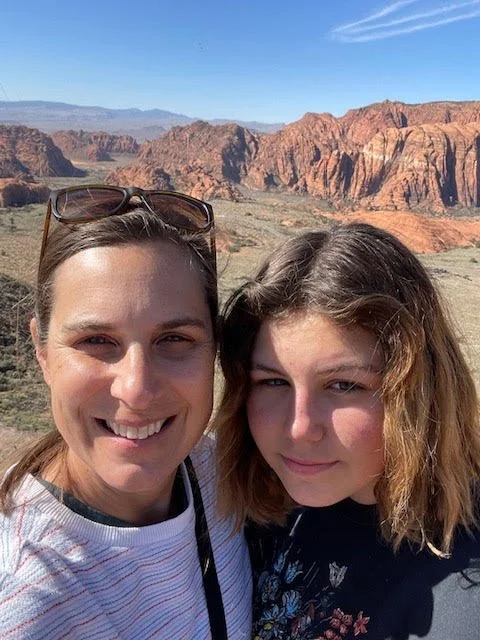
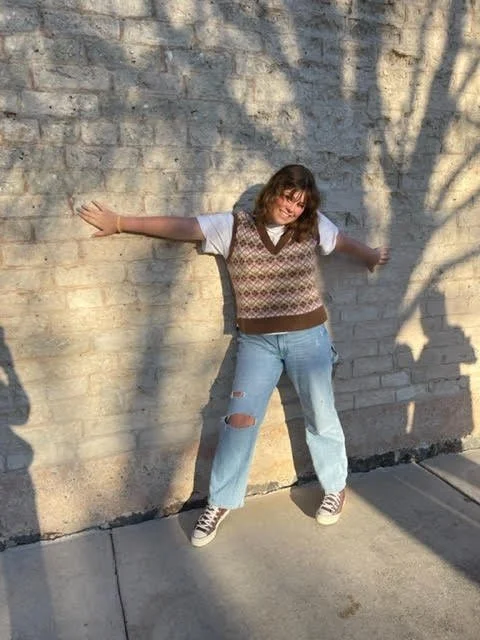
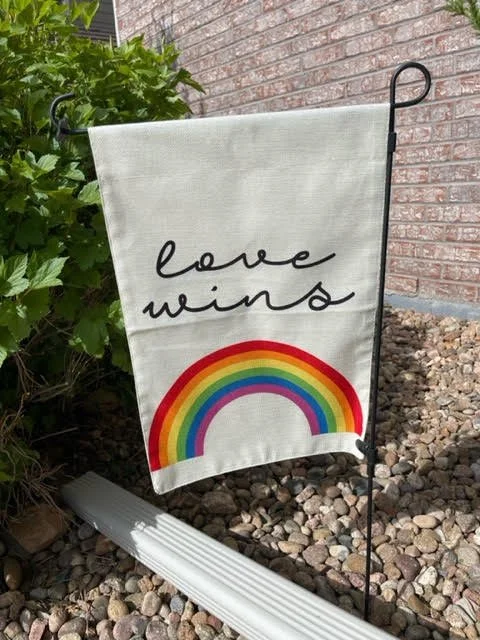
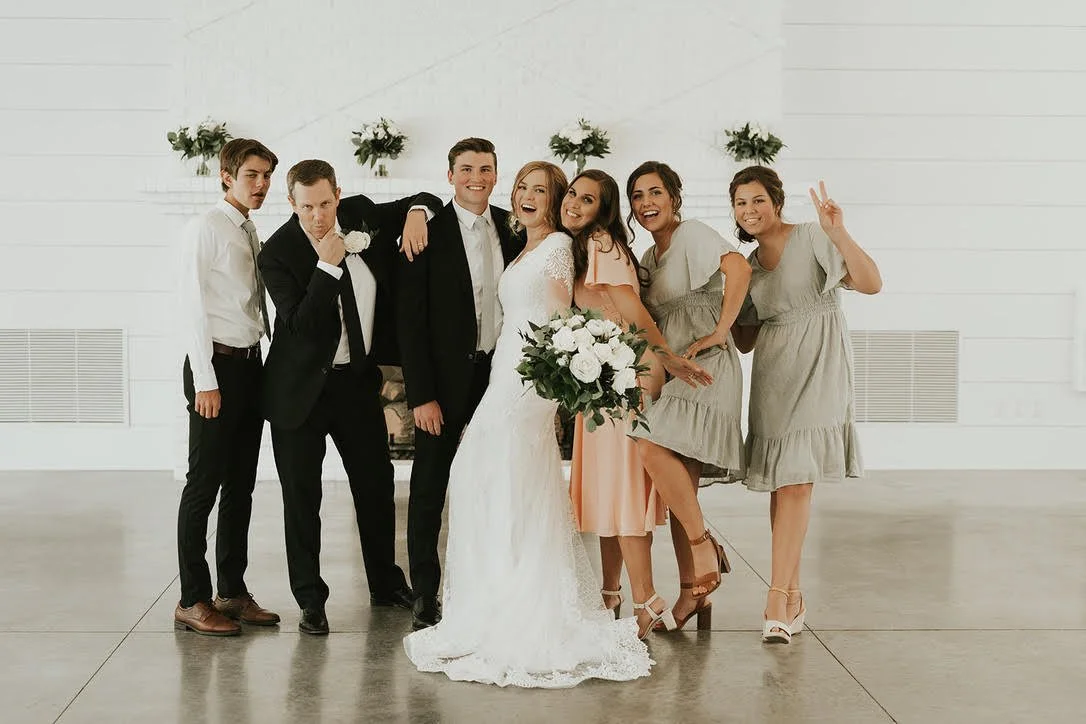
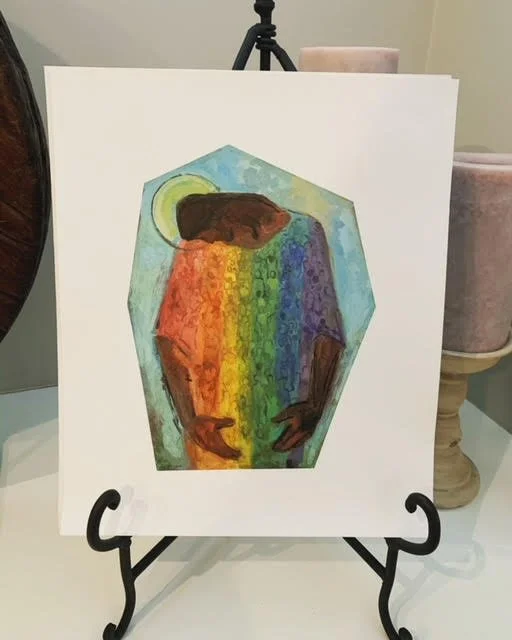
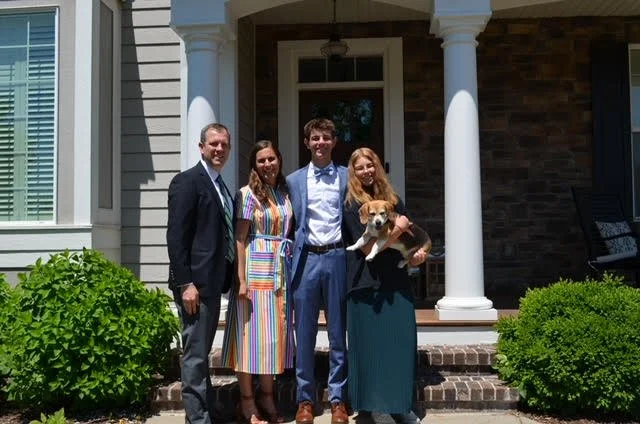
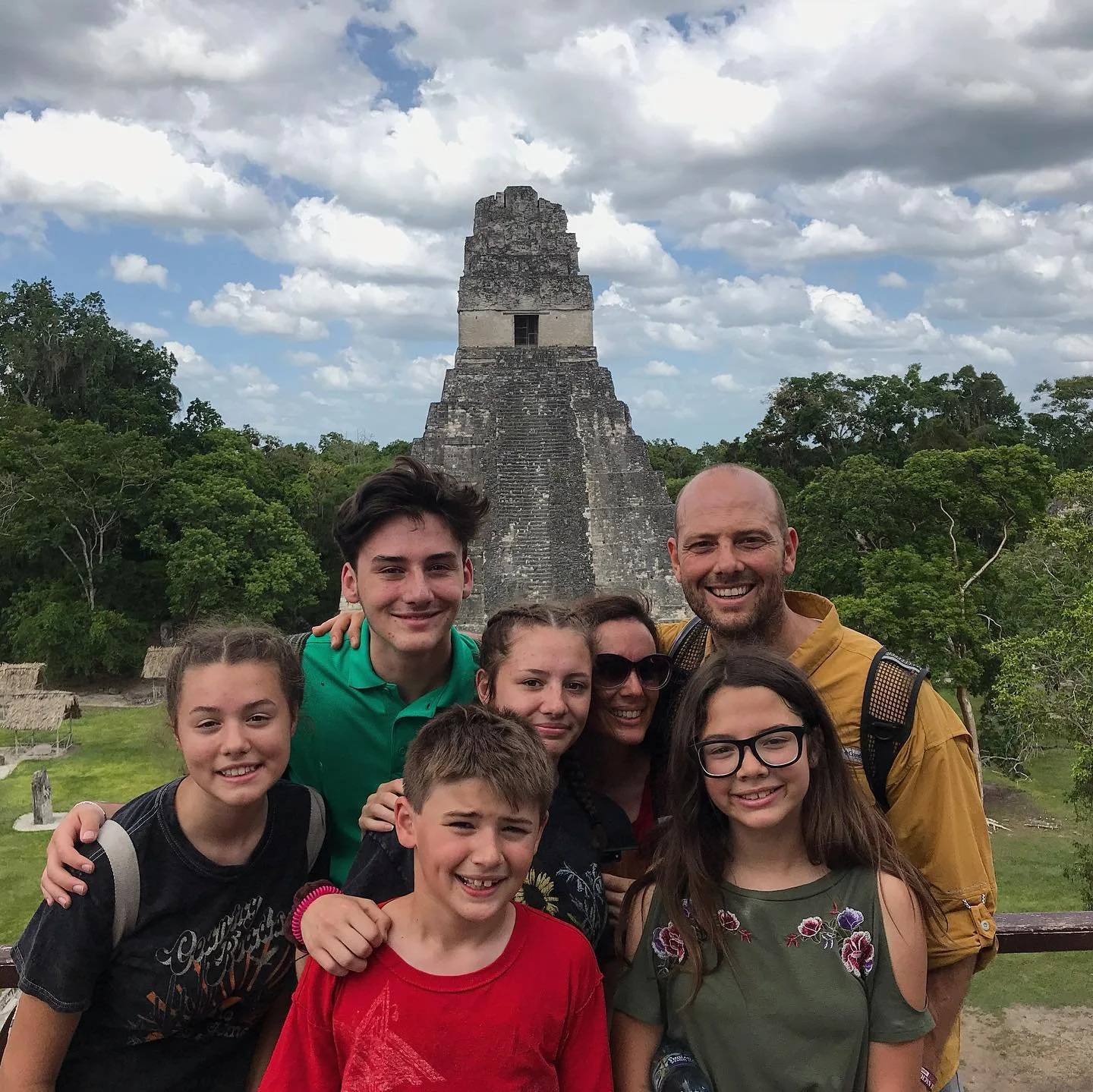
THE CONFORTO FAMILY
Looking back, there were several incidents over the years that prepared Jason and Natalie Conforto for that late night just before their oldest son Jamison’s 18th birthday in which he would come into their room and reveal that he was gay. But nothing prepared them for his subsequent admission that he had packed his bags and was prepared to leave their home if they felt it was necessary. “That just broke our hearts -- that he would think that his being gay would make it so he didn’t have a place in our family. It was painful,” says Jason…
Looking back, there were several incidents over the years that prepared Jason and Natalie Conforto for that late night just before their oldest son Jamison’s 18th birthday in which he would come into their room and reveal that he was gay. But nothing prepared them for his subsequent admission that he had packed his bags and was prepared to leave their home if they felt it was necessary. “That just broke our hearts -- that he would think that his being gay would make it so he didn’t have a place in our family. It was painful,” says Jason.
Of course, the Confortos didn’t kick their son out. Instead, they reassured Jamison he was a valued part of their family and would be forever, and that they loved and supported everything about him. But their son’s fear led Jason and his wife on a deep dive to see what in their past they might have said or done to make their son think this might even be a possibility. That probe has led them now to make it very clear where they stand both as faithful members of their LDS faith and visible allies and supporters of the LGBTQ community in West Jordan, UT, where they’ve raised their five kids (Jamison – 20, Lucy – 18, Bella – 16, Aria – 14, and Monte – 12).
Jamison’s journey in coming out has in some ways paralleled his father’s journey in coming to understand LGBTQ issues in a meaningful way over the past two decades. When Jamison was just a toddler, Jason and Natalie recall wondering if their son might be gay, reflecting on his affinity for traditionally female things – singing, dancing, princesses. Natalie felt it was her duty to teach the Proclamation and gender roles often. While they never punished him for the things he enjoyed, Jason tried (mostly vainly) to interest his son in Batman and Star Wars, and Natalie thought that gentle guidance would help Jamison "choose" a traditionally masculine path. Instead, Jamison learned to mask his sexuality and retreat into himself. Natalie saw his unhappiness, and started to understand that her son's feelings were not a choice, but his nature. Jamison and his parents were all acting out of love, but Jamison was suffering as he hid.
For many years, Jason also served as a home teacher to a young man named Sam who was gay and had left the church. At first, Sam was resistant to a home teacher and even tried to shock Jason with stories of his relationships and activities, but Jason offered a consistent, nonjudgmental friendship for years that continues to this day. In fact, this month Jason and Natalie joined Sam and his husband Derek for Salt Lake’s Pride festival, and the Confortos were touched when Sam and Derek went out of their way to ride SLC’s Trax system all the way to West Jordan to pick up Jason and Natalie, then back again downtown by their home, just so they wouldn’t get lost. Jason says this important friendship has redefined the concept of the new ministering program, as Jason now emphasizes that you don’t need a calling to befriend someone, whether in or out of your ward boundaries.
When Jamison was still in high school, Jason, a filmmaker, produced the feature documentary Dog Valley, which followed the horrific torture, rape and murder of a young gay man named Gordon Church in Cedar City in the ‘80s. This was a harrowing experience to spend so much time with, but Jason felt it an important story to be told, even before knowing his own son was gay. Two years later, around the time Jamison came out, he told his parents he wanted to attend Southern Utah University in Cedar City. Jason said things got real when as a father, he moved his son into his dorm that was just a block away from where Gordon Church had been abducted. Jason says, “I’m really grateful that we live in a different world now, in terms of safety, for the most part. Things aren’t perfect for our LGBTQ loved ones, especially in terms of mental health, but things are getting better.”
Jamison just completed his junior year at SUU, where he is focusing on writing and film. His father says he is a natural, gifted writer. Jamison is currently studying abroad in London, and his artistic portfolio includes a handful of fantasy books, a literary memoir about his experience of coming out and entering the dating world, and freelance film work including a video about belonging and inclusion that he worked on with his father, as well as several animated music videos he’s created. Jamison is surrounded by a loving network of family and friends. Following the night he came out to his parents, Jamison came out publicly on social media, and his parents followed his lead the next day. Jason says all three posts received nothing but beautiful, positive, loving comments from friends and family.
But to the one relative who asked Jason, “Why do they have to come out?”, Jason offered this as a reply: “Jamison knows you loved the person he was pretending to be. Now he needs to know we actually love the person he is.” Jason continues, “I can’t imagine having to fear whether anyone in the world loves you. Jamison even struggled wondering if God loved him, and felt isolated from God. Such a painful thing to imagine.” Jason feels his son would still be active in the church if there was a healthy place for him. While Jason and Natalie are active LDS members, they feel there’s a lot of work to do to break down some of the hypocrisy they see. Jason feels there is way too much emphasis on whether LGBTQ people are keeping the law of chastity. “I try to change the focus to, are we keeping our covenants to love each other? Including loving LGBTQ individuals? Frankly, we’re not. If someone wants to make and keep covenants of chastity, that’s between them and the Lord. Our business is, are we just loving them?”
Instead of leaving the faith they love, Jason and Natalie have chosen to try to lift where they stand and look to Jesus Christ's example of love. They believe the Lord sent them their special son as part of His plan to teach us all to love better, and they try not to condemn others while their own understanding is still developing. When people make insensitive comments, Natalie remembers (with a stab), "I used to feel that way!" She believes people do their best with the limited understanding they have, and feels that sharing her story can help others grow. Natalie says, "Not everyone got to have an in-home tutor for the past twenty years, but each of our lives have taught different lessons. We need each other, and we need Jesus to show us why."
While Jamison is now out of the house as a college student, the couple now hosts a monthly group seeking to bridge understanding and provide support for those in their Pride circle. Shortly after their own son came out, Jason and Natalie realized there were five other LGBTQ teens and young adults just on their street who might benefit from some fellowship. After first notifying parents of minors and circulating their desire to host a monthly gathering, they started an open invite support circle for LGBTQ friends with LDS backgrounds. At first, they tried to operate it as a church-style meeting that included a song, prayer, and thought, but soon after, a few in the space, including their own son, recognized that might be triggering for some. The group became more of a topic-led discussion in which all can share freely, and guest speakers are often invited. Topics have included coming out, family relationships, handling the holidays and family gatherings, dating, and the group has even had a Valentine exchange party and show tune singalong night. The gatherings have grown in popularity and length, and Jason laughs he has on occasion had to tell people it’s time to go home when the clock hit 1am.
Recently, a post he was tagged in made Jason think. It said, “What do you do if you’re a fully committed Christian but your child is gay?” Jason says, “To me, that question is written wrong. It should say, ‘What do I do as a fully committed Christian, but I struggle with my child being gay.’ That’s the only but. That’s what you need to worry about. There is no problem being a Christian and having a gay son and loving him. It’s very easy to do.”
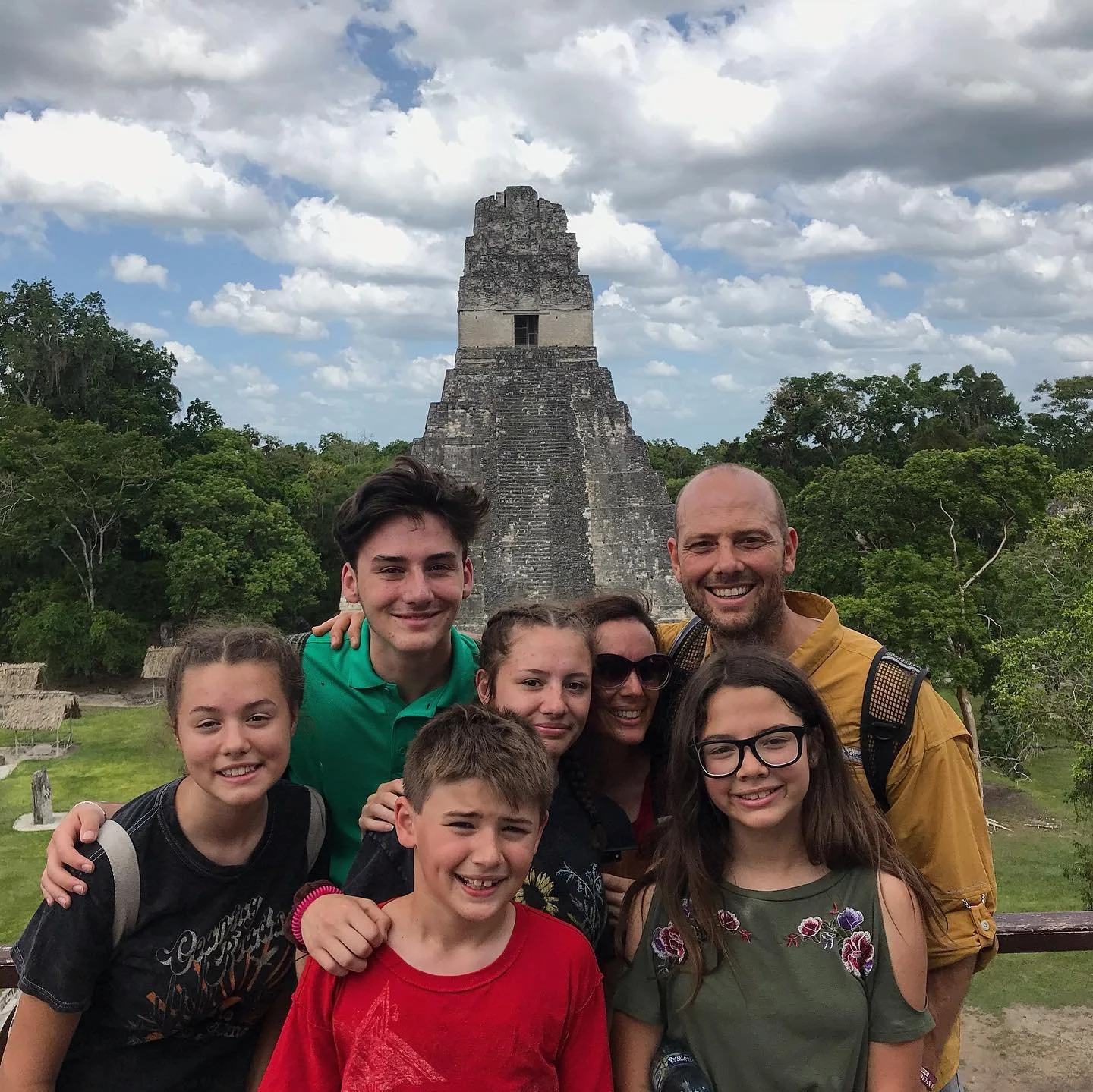
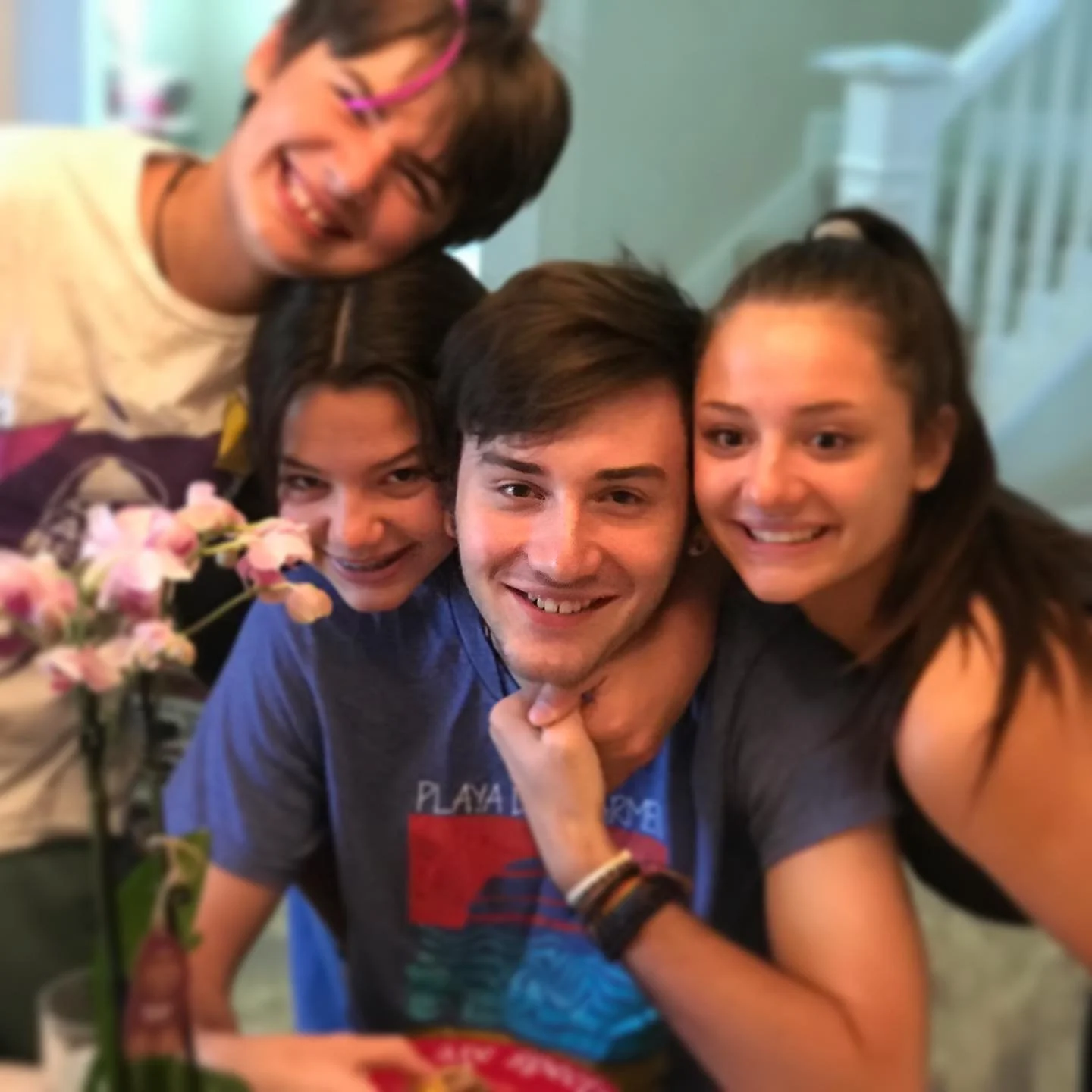
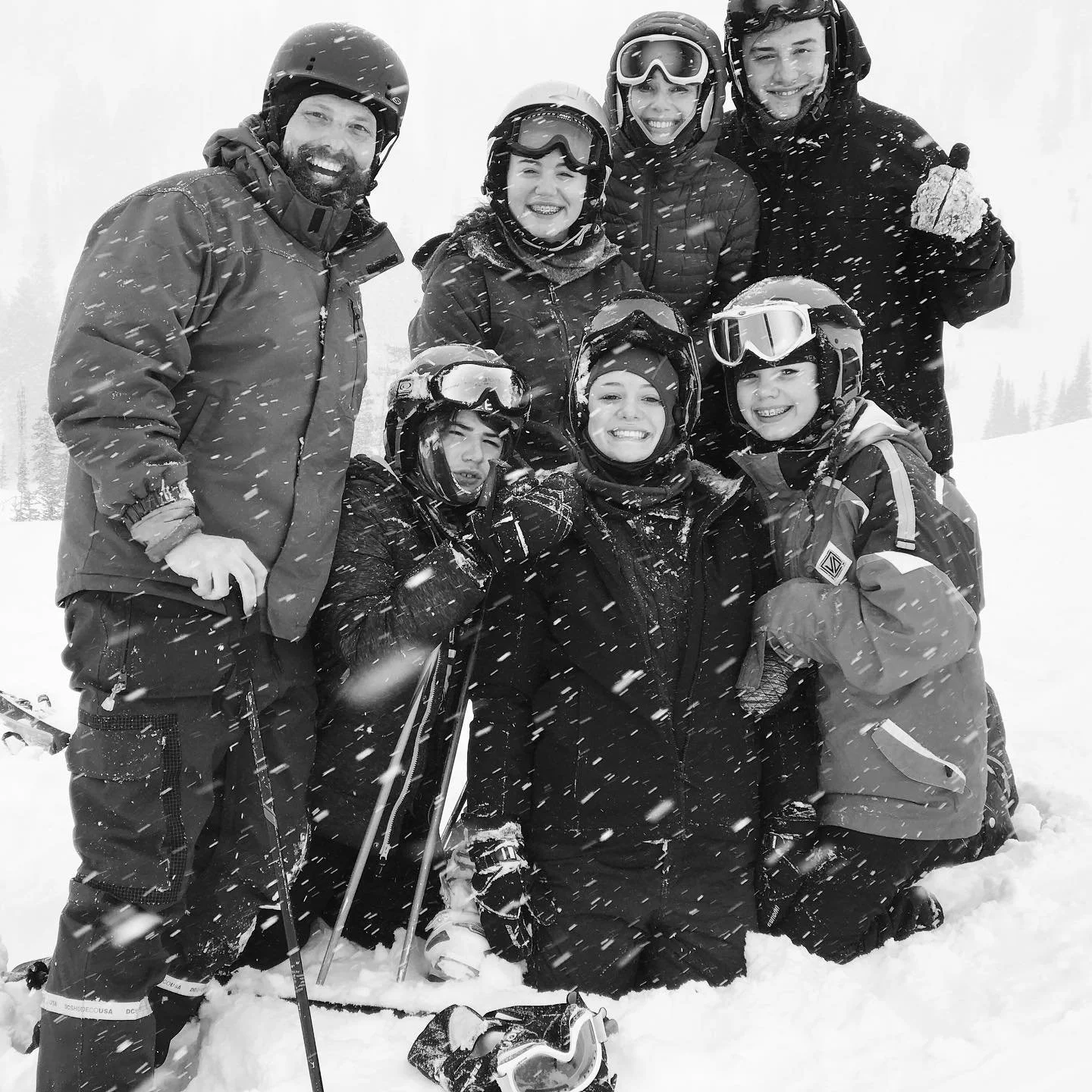
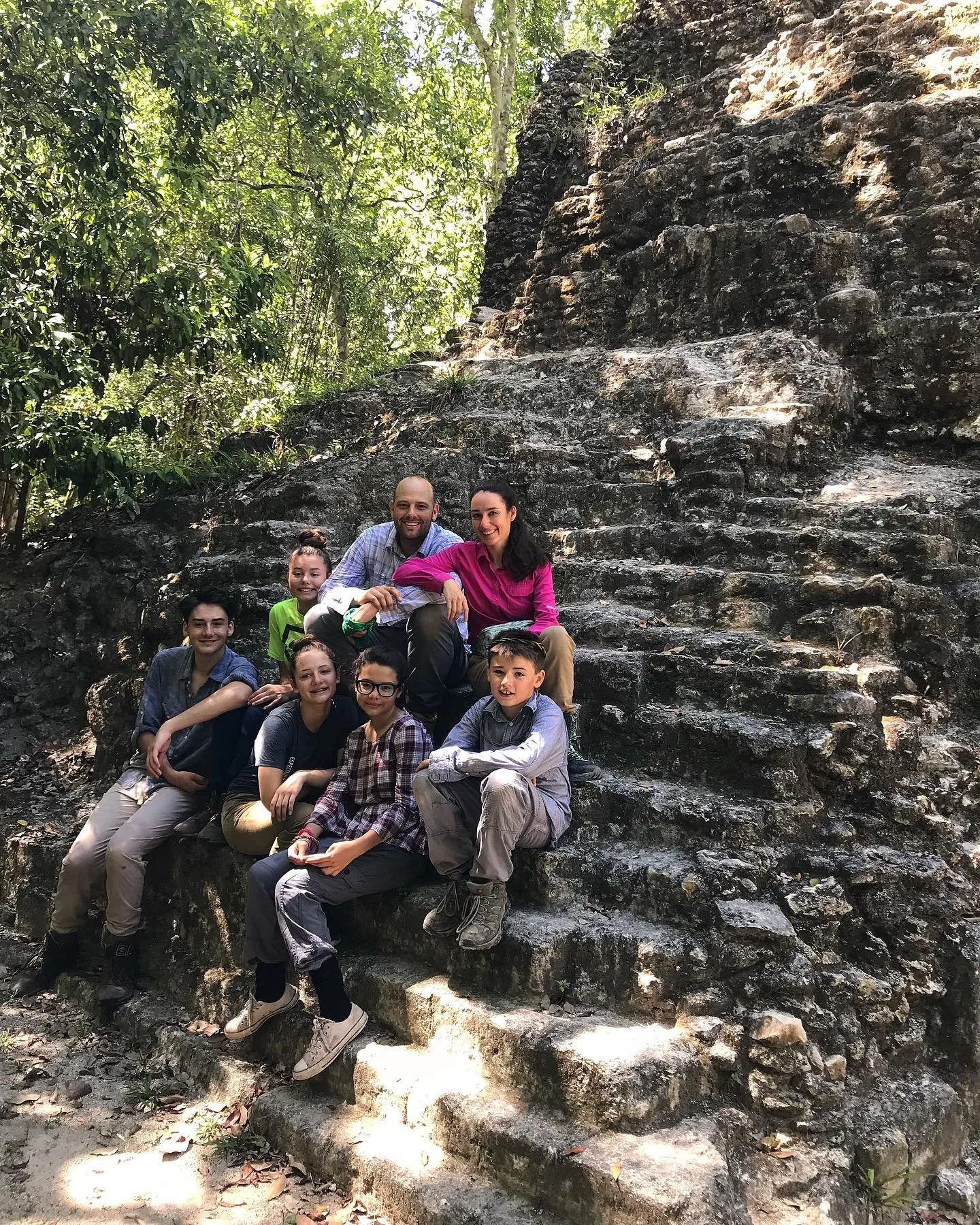
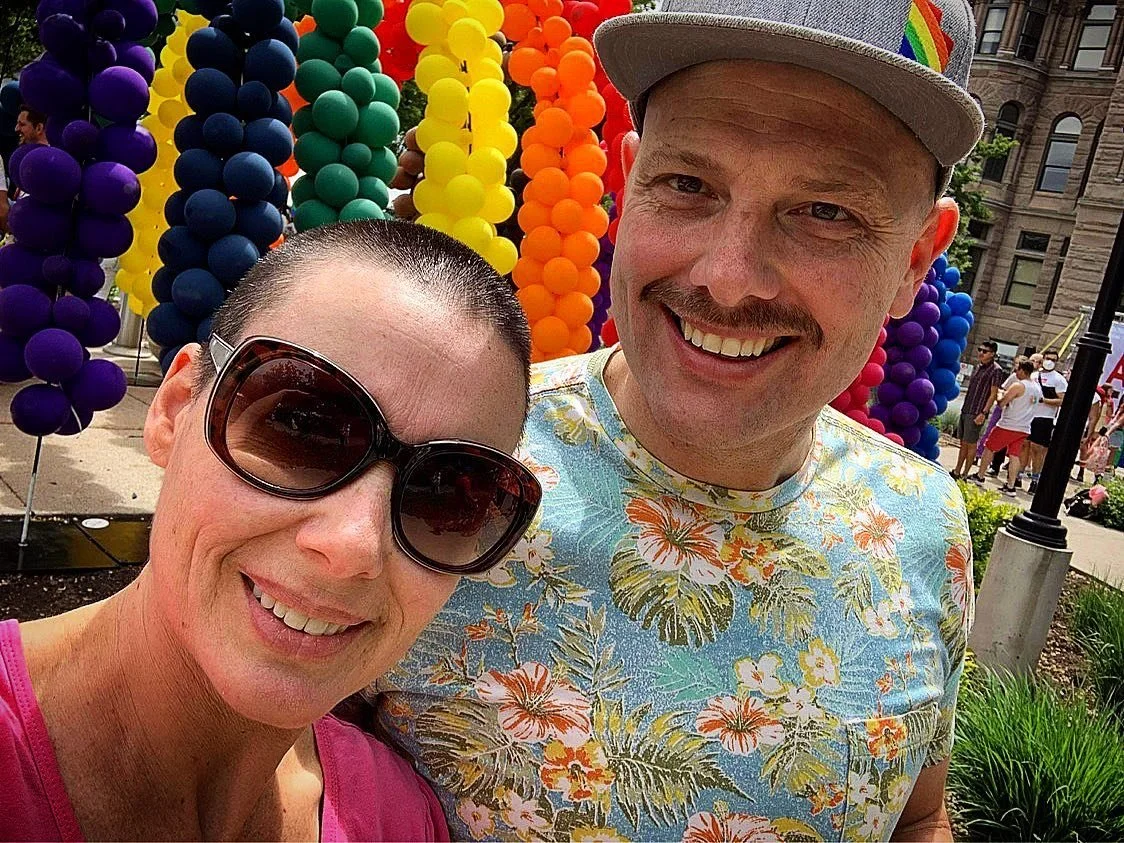


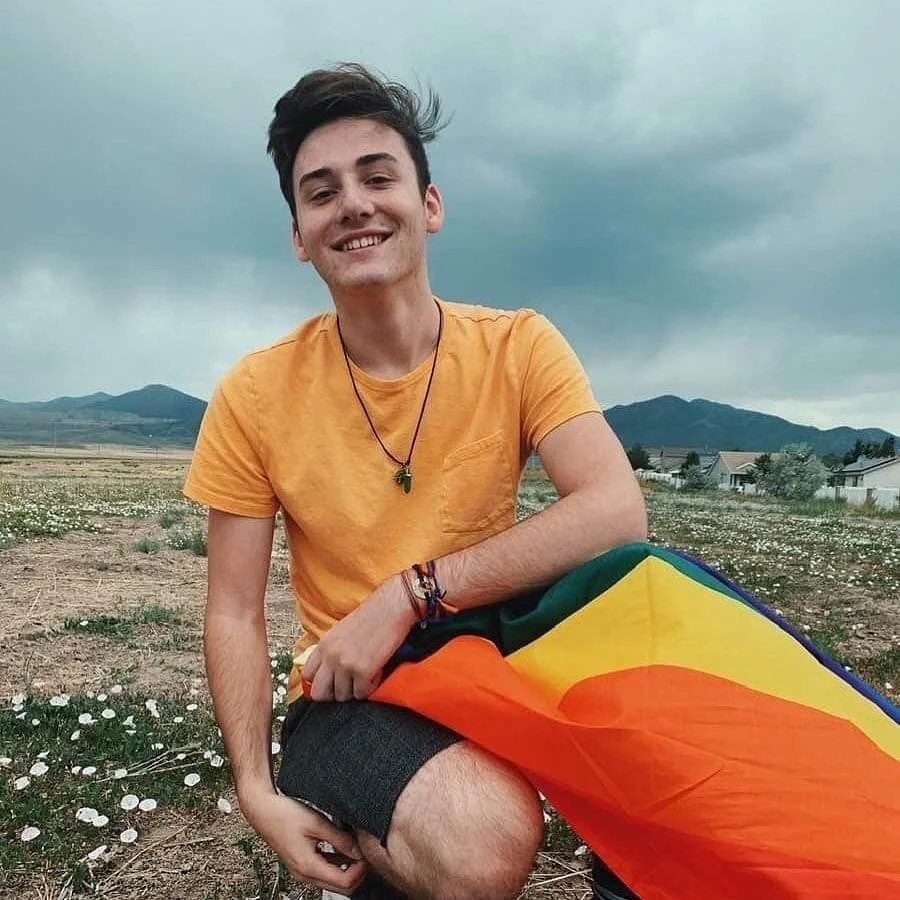
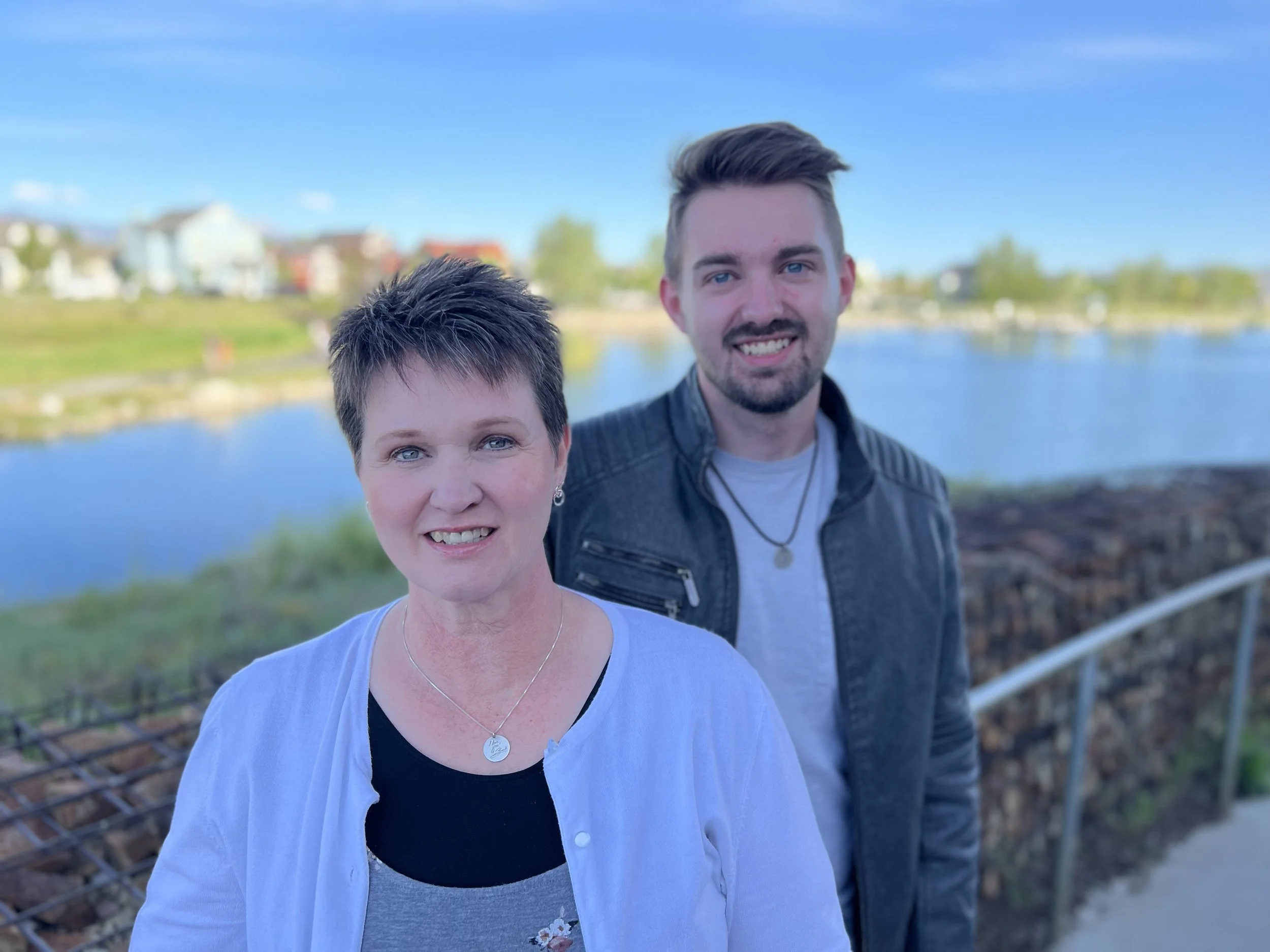
THE KENDRA & DEVIN WILDE STORY
“Jesus said love everyone, treat them kindly, too” and “Kindness begins with me” are the lyrics Primary President Kendra Wilde of West Jordan, UT hopes her ward members both big and small lead with when it comes to how they treat LGBTQ people. She has been happy to see this has largely been the case in her ward, where people have embraced her youngest son, Devin Wilde, since he came out as gay after he returned from his mission in 2020…
“Jesus said love everyone, treat them kindly, too” and “Kindness begins with me” are the lyrics Primary President Kendra Wilde of West Jordan, UT hopes her ward members both big and small lead with when it comes to how they treat LGBTQ people. She has been happy to see this has largely been the case in her ward, where people have embraced her youngest son, Devin Wilde, since he came out as gay after he returned from his mission in 2020.
Following the example of a bishop who Kendra calls wonderfully supportive, the Wilde’s ward has welcomed Devin to share this aspect of who he is openly, since he returned home after serving 17 months in the Scotland-Ireland mission. Devin was serving in the height of Covid, and it was a crushing time to be a missionary in the UK. He was only allowed outside of his apartment one hour a day, which left him grappling with all kinds of thoughts and emotions during lockdown. One being the past experiences that had led him to question aspects of his sexuality. Devin discovered the podcast “Latter Gay Stories,” and would listen to the stories via earbuds while binge cleaning his apartment, while his companion found other things to occupy his time.
Kendra remembers getting a call from Devin that completely blindsided her as he revealed that he was bisexual, and would be returning home early from his mission -- for other reasons. When he returned, Devin’s mental health was at an all-time low, and it took some time for Kendra and Devin to find the right help, which they did via a life coach who specializes in LGBTQ and addiction issues. It was in those meetings that Devin came to actualize and admit that he is gay and accept himself as he is.
When Devin returned from his mission, defeated, Kendra brought him to work, where she manages the office affairs for a property development company. She tried to find odd jobs for him to do to keep him busy and keep his mind off some heavy emotions he was battling. One of her two bosses (a former bishop) saw Devin lying on the floor of her office one day, depressed, and realized the magnitude of the situation. He has since been a wonderful support for Kendra and Devin. Her other boss took Devin fishing for a day and also offered him some support. Looking back, Kendra is grateful for the many family members and friends, like her bosses, along the way who met Devin where he was at and let him know he was loved for who he is as they helped him use the gift of the Atonement to get to a healthier mental space.
Devin’s orientation took his mom completely by surprise. He had been just 13 when his father passed away from colon cancer, and as the youngest of four kids and still living at home with his mom after his mission, Kendra says she felt very alone when he first opened up to her about all he had been grappling with. In some ways, Kendra says going through that experience was even more shocking and isolating than dealing with her husband’s death. When Devin first told her, she responded she loved him no matter what, but admits now that she needed to embark on a steep learning curve to come to a place where she could be fully supportive and open-minded about all he was experiencing.
Like many parents, Kendra reflected back on the when and the why and the how did she not see this coming? In high school, Devin had loved ballroom dancing, and had dated a lot of girls from the sport. Kendra recalls that many girls had had crushes on him. There was one girl in particular Devin had known before his mission who he had expressed having real feelings for. After his mission, on a quest to really figure himself out, Devin went out with the girl again, and while the two are still good friends to this day, Devin says it didn’t take him long to figure out that he wasn’t romantically interested in women.
After Devin had been home for about a year, Kendra’s bishop contacted them to say he felt strongly impressed that they needed to have a fifth Sunday lesson about LGBTQ issues, and he wanted Kendra and Devin to teach it. They agreed. The bishopric circulated a google doc amongst the ward announcing the lesson and asked ward members to input any (anonymous) questions they’d like to ask. One person questioned why this was a lesson they needed when they’re supposed to go to church to learn about Jesus Christ. This was a bit shocking to Kendra and Devin, who saw the question, but the bishop encouraged the lesson to move forward.
Kendra and Devin took a Christ-centered yet vulnerable approach to their lesson, openly sharing each of their personal experiences and suggestions as to how people can better minister to those in the margins, and to those who might feel like they don’t fit the LDS mold. Kendra let her ward members know that, “This is what Heavenly Father has asked me to do and I am going to do it.” It was later shared with Kendra that after the lesson was delivered, the same member who had complained about its necessity afterwards told a bishopric member that this was “the most spiritual lesson he’d ever attended” and apologized for the previous conversation.
Nowadays, Devin is doing much better. He’s working full time, studying cyber security at Davis Tech, and dating his boyfriend who he really likes. Devin has chosen to rely on personal revelation to guide him where he should go in his future in terms of his relationships and his involvement with the church. He often goes to the temple grounds in prayer with the scriptures and a journal to receive revelation from Heavenly Father. Currently, he feels compelled to stay, even though it is not always an easy road. Devin does have a testimony, but things can be and are hard at times; but he still follows what he feels is right. And in fact, most Sundays you can find him near his mom in the primary room, singing the songs with the CTR 5 and 6 class he co-teaches. Kendra says, “My counselors kept asking me to call him to be a teacher. The kids have always loved him. And the messages taught in Primary about love and kindness are safe ones for all to hear.”
Kendra says, “Over the last two years, both of us have relied on our relationships with Heavenly Father and Jesus Christ which have been strengthened and continue to grow. We have received many answers and feel peace at where we are today.”
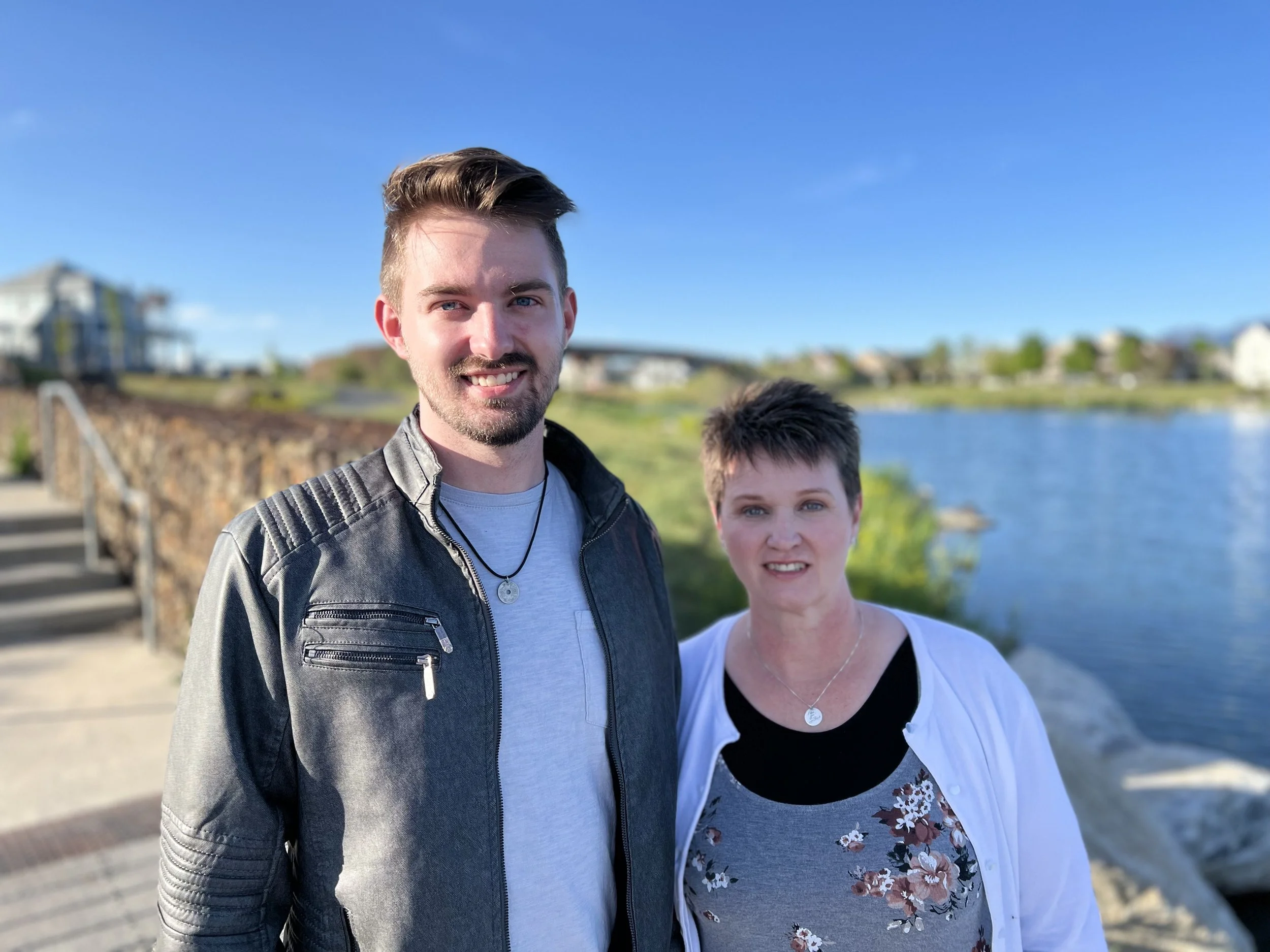
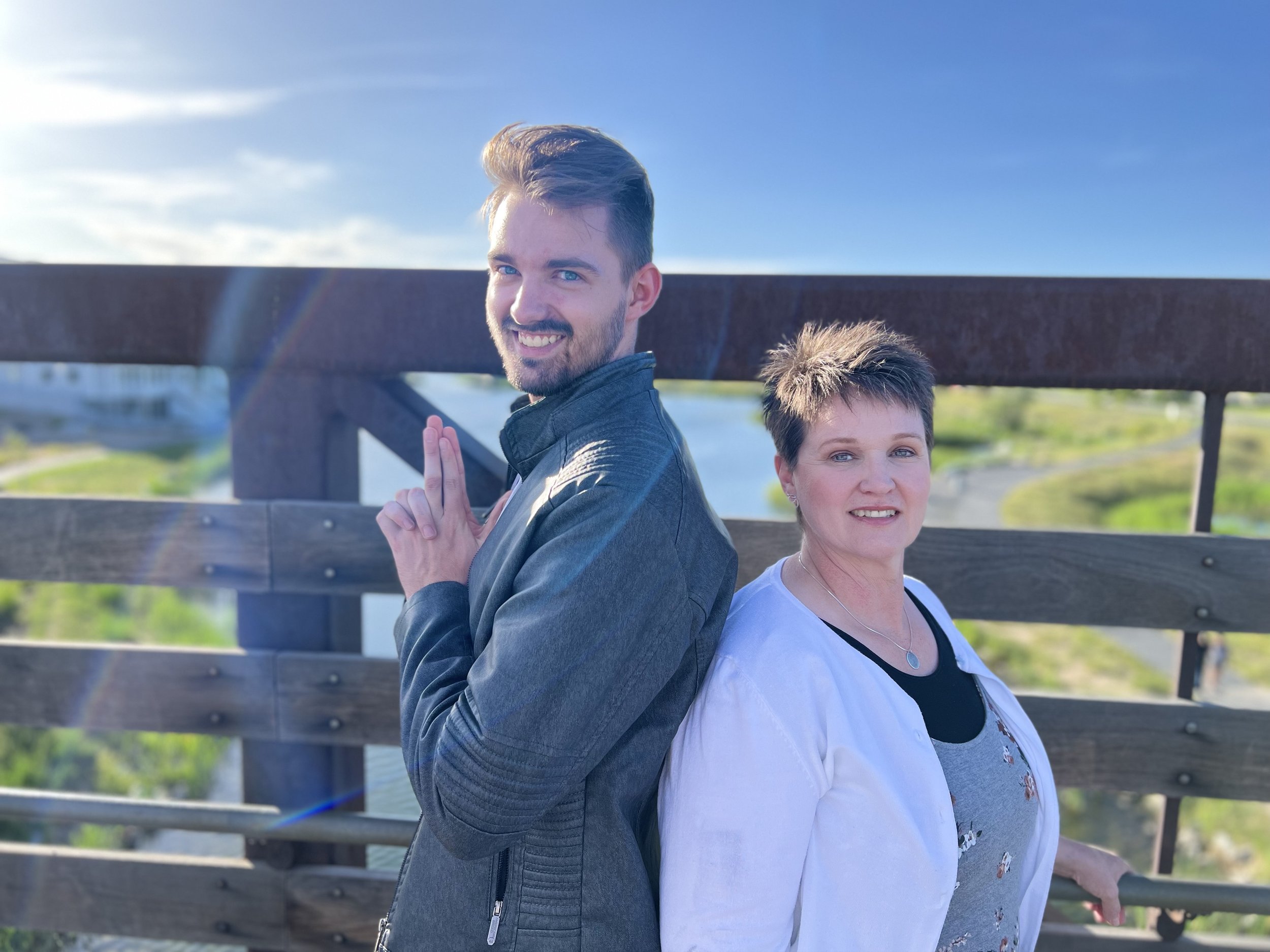
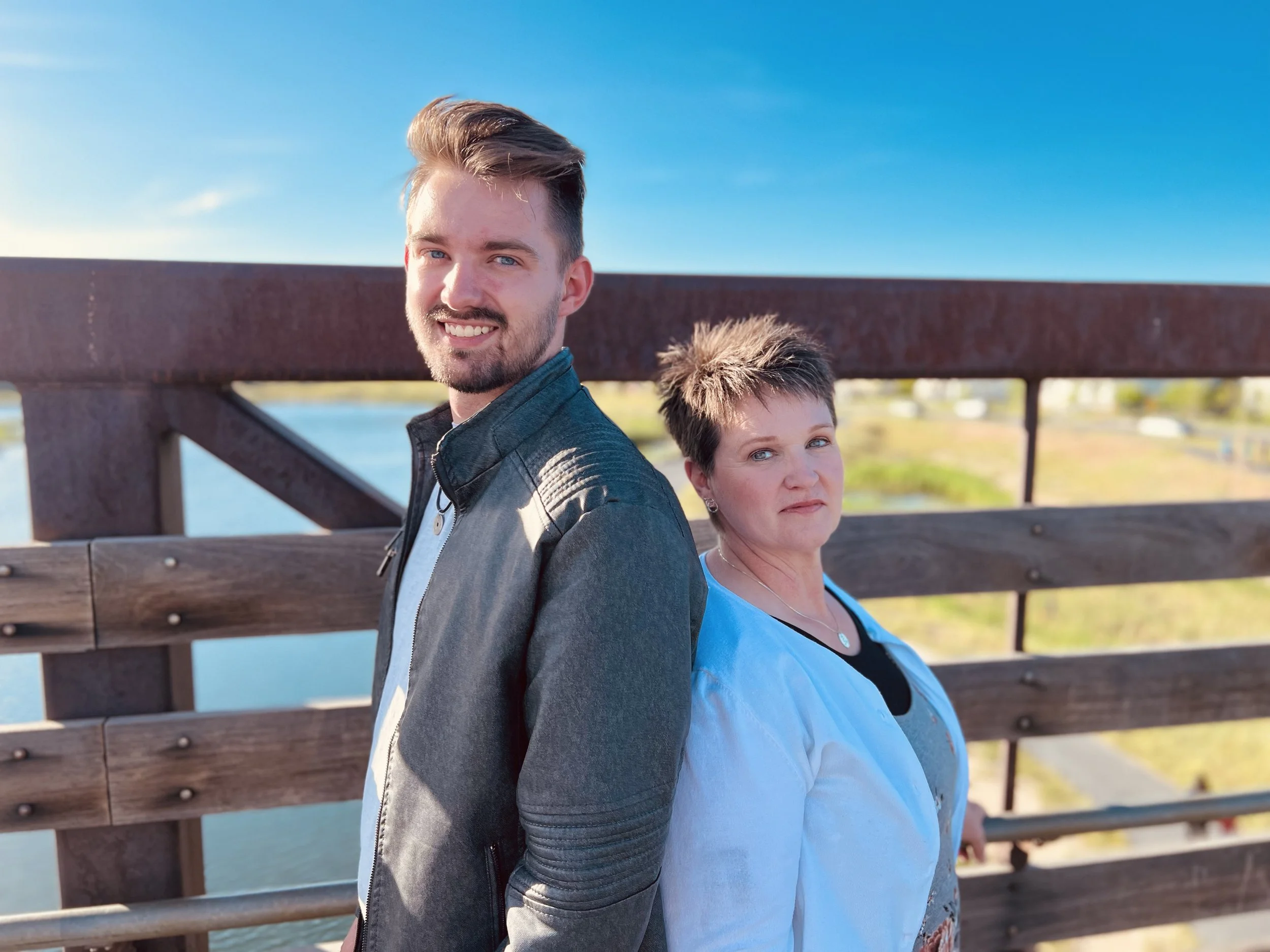
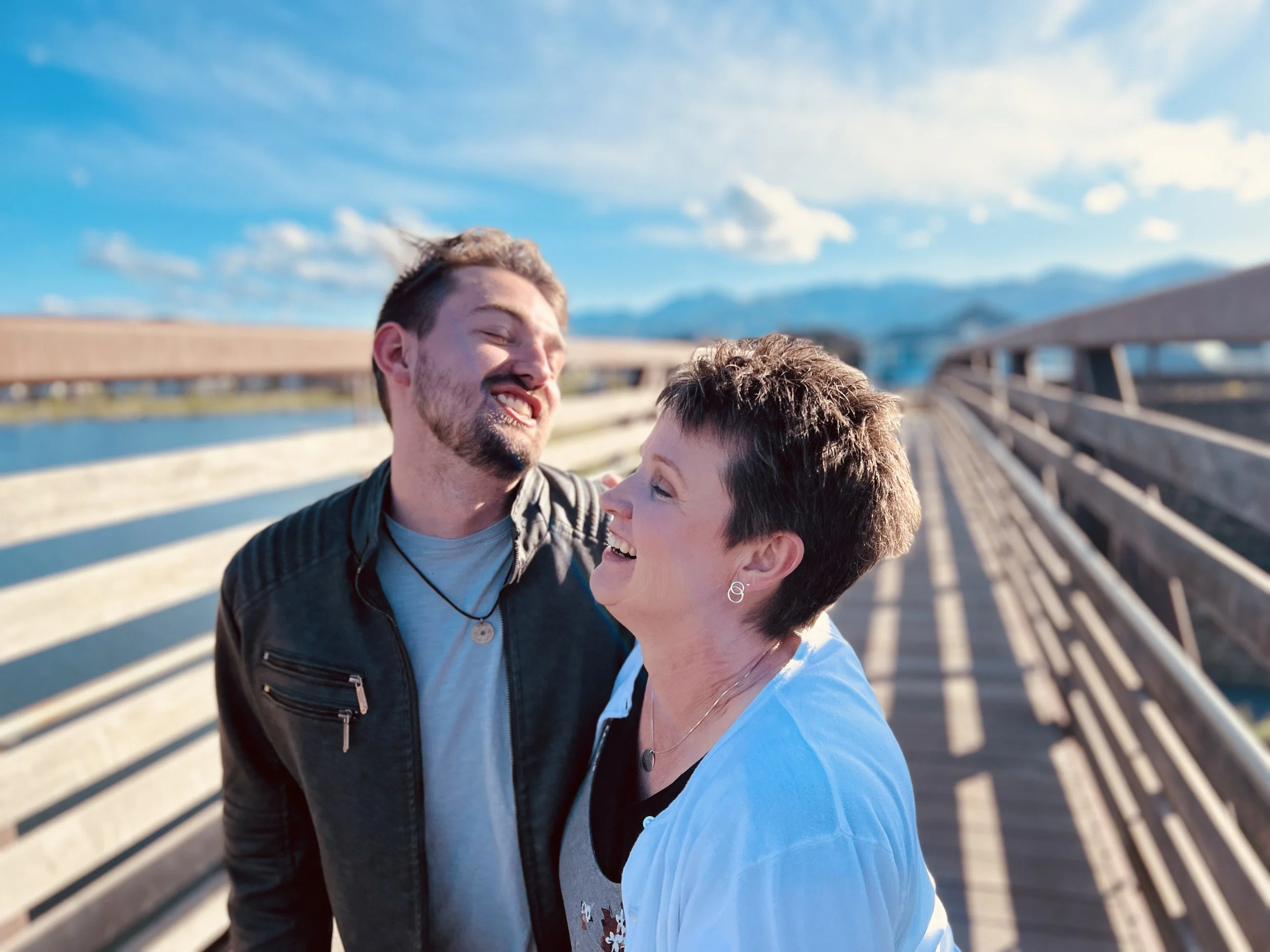
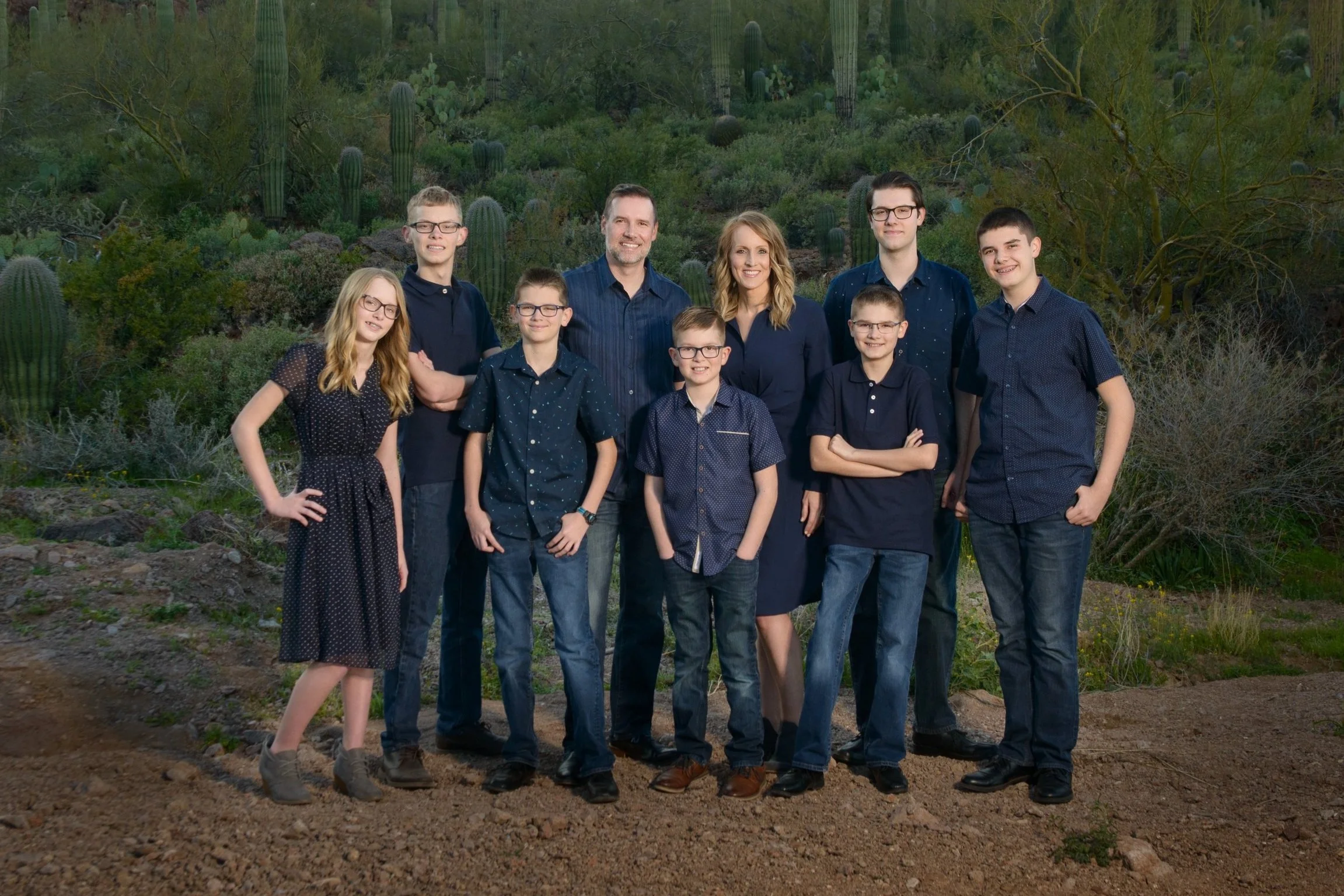
THE FARRIS-DAVIS FAMILY
Sometimes it’s not what we say, but what we don’t, that makes the most lasting impression on our children when they come to us with important news. This was the case for Mandy Davis, who’s now grateful she held her tongue to just listen about a year ago when her daughter, Ella (then 14), joined her on an after-dinner walk…
Sometimes it’s not what we say, but what we don’t, that makes the most lasting impression on our children when they come to us with important news. This was the case for Mandy Davis, who’s now grateful she held her tongue to just listen about a year ago when her daughter, Ella (then 14), joined her on an after-dinner walk. Their conversation went something like this:
Ella: Mom, what do you think about gay marriage?
Mandy: I think God loves all his children, and He wants all His children to be happy.
Ella: Good, because I think I’m bisexual.
And with that, Mandy’s head started spinning. As they walked home, she felt overwhelmed with a mix of emotions -- shock that her “girly girl” who she thought had childhood crushes on singers Brandon Flowers and Adam Levine might also like girls, love for her child trusting her with this news, and gratitude she had heeded a strong impression to not say some beliefs she held (at the time): that from a church standpoint, it was still a sin to “act on it” and while it is a hard burden to carry, it is just like other sins people struggle with. She’s really glad she felt prompted not to say all that.
Mandy and Ella had always shared a special closeness – the only girls in the large, blended Farris-Davis household that includes Ella’s step-dad, Brian, step-brothers Jesse (23), Justin (20), Jake (16) and Jared (14), and her biological brothers Jace (17) and Nash (11). So after hearing Ella’s confession, Mandy questioned why she’d never sensed this about her daughter, or had the impressions some parents of LGBTQ kids say they’ve had, before their kids came out. On their walk, Mandy asked Ella how she’d come to this conclusion. She responded, “Well, today in class I was talking with this girl, and I realized how cute I thought she was, and that I think I am attracted to her.”
“She thinks” were the words that lingered for Mandy. She took them home to her husband; Brian was also surprised. Mandy says, “It sounded so casual and sudden. How does a light switch just go on one day and you realize you’re bisexual?” Over the next month, Mandy broached the subject again with Ella, asking if she had thought more on her feelings. Ella responded she’d been researching other sexualities that might better fit her, unsure whether bisexual was the right identity (she’d eventually determine that her sexual identity is lesbian). Hearing this, Mandy struggled to understand: why would someone need to research their sexuality? How do you just not know how you feel? She started to question how real all of this was, and found herself giving space to some of the common fallacies people hold about kids discovering their sexuality, (many of which are addressed in Richard Ostler’s book Listen, Learn and Love, which Mandy highly recommends), including:
- Isn’t she too young to know she is gay?
- Don’t a lot of kids go through this “phase” because it is the cool thing to do, or they are just confused?
- Why would someone say they are bisexual, then later decide they are lesbian/gay?
- She had no “signs” of being gay; she seemed to have crushes in the past. How is it that she is now suddenly gay?
- Could this just be a reaction to processing the trauma and hardships she has experienced in life?
Mandy found herself dwelling on this last question, as did a few close family members once she told them about Ella. In a few short years, much had changed for Mandy’s kids. They experienced their parents’ divorce in 2016, challenges that came with merging families when their mom remarried, and witnessed their dad’s personal struggles that persisted after the divorce. When he passed away in his sleep in April of 2020, the kids were the ones who found him. Ella was extremely close to her dad and had always tried to take care of him, so Mandy says in her misconceptions about LGBTQ+, she thought maybe her daughter was just overwhelmed and confused about life.
The next few months brought some hard moments. Mandy said she could handle her daughter being lesbian, but she found herself constantly questioning, “Does she for sure know?” Ella also began losing her testimony and belief in God, but after watching her mom struggle with her oldest brother’s recent stepping away from the church, Ella agreed to keep going as to not rock the boat anymore. Mandy admits, “I know now that I didn’t handle everything as I should have. I was focusing on my own grief of lost futures and expectations and still trying to force Ella down the path I had envisioned for her, thinking ‘she can still be gay and participate in church’.” Mandy now acknowledges, “I didn’t truly understand at the time how difficult it is to be LGBTQ+ in the church -- to not be fully accepted and able to fully participate, to hear messages of how being LGBTQ+ is an ‘attack on the family’ or ‘influenced by Satan,’ and to hear persistent messages on temple marriage -- a blessing that she can never have.”
One Sunday, Ella asked to stay home from church to research and pray to find her own answers. She texted Mandy the scripture in Leviticus that is translated to refer to homosexuality as an “abomination,” and asked her mom, “How am I supposed to love a God who doesn’t love me?” Mandy’s heart shattered with these words. She became increasingly aware of just how difficult the church could be for families like hers. She says, “I’d also begun to experience anxiety while bracing myself for ill-informed comments and lessons on hard topics. And I have a solid testimony, so, I can only image how much harder it was for her.”
During the open house of the Mesa, AZ temple near their hometown of Marana, AZ, Ella broke down crying in the bride’s room, and again in the sealing room. It was in this moment Mandy knew without a doubt her daughter was gay, and Mandy fully understood that if Ella could never have all the blessings the church promotes without being asked to sacrifice true love and companionship, that the best thing for her emotional health was to no longer participate in the church.
Ella is now 15 and doing well. She shares her mother’s passion for history, books, music, and live concerts. She has a natural talent for music (piano) and art (drawing), and is often complemented on her music taste, loving everything from Led Zepplin, The Beatles, Weezer, Chopin, Frank Sinatra, opera, and Broadway musicals. Ella’s family has always admired her maturity, thoughtfulness, and introspection, and the confidence with which she approaches life, including in how she owns her sexual identity. While it took a minute for Mandy to wrap her head around it all, she has strived to show her daughter her full love and support.
After Ella came out, Mandy immediately purchased a rainbow bracelet which she wears constantly, and she has continued to add to her “rainbow collection” of apparel. On her piano is a display that includes a picture of Christ embracing children in rainbow robes, and a sign with rainbow hearts that says, “I’ll walk with you” that they made on Ella’s birthday this year. Mandy’s grateful for the family and friends who’ve shown immediate love and acceptance for Ella, including her conservative parents who’ve said, “We knew one day it was very likely we would have an LGBTQ+ grandchild or loved one. And we knew that we would love them, just the same as we always have.”
As she’s continued on her journey, Mandy felt stirred by words shared by Charlie Bird at a recent Lift and Love retreat. He said, “You cannot be a warrior without being willing to take battle scars.” She and Brian discussed how when you go into battle, you gear yourself up with armor – hers decidedly being the fruits of her endeavors to increase her secular and spiritual knowledge and relationship with God. Mandy has made efforts to overcome her fear of rejection in lieu of advocating and shining light on the LGBTQ community, to help people see how church members can do better. She hopes that in a restorative church that values ongoing revelation, that we will continue to study these issues via solid resources and ask questions – especially of those who walk different paths so that we can understand their experience.
Much like in a solid marriage where differences and disagreements occur, Mandy knows you can feel uneasy with diverse viewpoints, ask questions, and work out compromises while still supporting each other. Similarly, she feels we can sustain leaders as we work through difficult messages -- understanding that leaders encourage personal reflection, don’t claim perfection, and above all want us to love each other. Mandy says, “We don’t often allow ourselves (and others) to pray, think, and ponder, as encouraged by our leaders, on a topic and come to our own thoughts and conclusion. We love to have certainty, because without certainty we feel vulnerable. That need for certainty inhibits our faith, trust, and personal growth. It does not give room for hope. My wish is that we create space for everyone to express their struggles, disagreements, and differing viewpoints without questioning their devotion to the gospel and relationship with God. We can live and love the gospel while also having hope for change and faith in the ongoing restoration, acknowledging there are a lot of things that God knows that we don’t and are not yet ready for.”
Mandy says that while her path in life has been much more of a “zig zag” than a “straight and narrow,” she has never doubted God nor His love for her – a testimony that has only strengthened in the past year since that after-dinner walk last May. “Having Ella come out has increased my personal relationship with God, which has made all the difference in finding peace and knowing my child is exactly who He meant her to be. I have felt His guidance and received personal answers to my questions and struggles. Most of all, it has led me more towards developing the unconditional Christ-like love that I know God wants me to show to others.”